Overview

The Department of Public Health (DPH), Office of Violence Prevention (OVP) has contracted with the California Community Foundation (CCF) to implement an American Rescue Plan Act (ARPA) funded project. The ARPA Trauma Prevention Partnerships’ goal is to prevent violent incidents, implement crisis response when violent incidents occur, address factors contributing to gun and gang violence, increase access to trauma informed care and healing centered services and supports; and invest in upstream youth programs, youth engagement, and youth leadership opportunities across Los Angeles County. The project will respond to communities that have been disproportionately impacted by the COVID-19 pandemic, which are also the same communities that have seen increases in violence that occurred during the pandemic.

The project will provide $22.7 million in direct funding to an estimated 45-60 community-based organizations to build on current strategies implemented by OVP and align with priorities that were defined in the OVP Strategic Plan based on input from community and County stakeholders, including:

  1. Street Outreach – intervention work to respond to violent incidents to calm tensions, mediate conflict, and link victims to services. Promote peace among neighborhoods and provide safe passages for young people.
  2. Hospital Violence Intervention Program (HVIP) – CBOs to support the capacity of hospital sites to support victims of violence.
  3. Crisis Response – a mix of evidence-based, emerging, and promising practices that promote trauma-informed, resilience-oriented practice, and culturally-responsive programming to the individuals and families directly affected by violent incidents.
  4. Community Hardship – a community fund that will provide resources to address immediate client needs, such as: clothing, rent, food, utilities, or school supplies. This is available to all current TPP awardees only.
  5. Peer-to-Peer Learning — training to build capacity for a multi-disciplinary cohort of peer specialists.
  6. School Based Safety – a pilot program to work on systems change in schools to holistically address violence and promote a positive climate by providing community organizations that have a partnership with schools or school districts with technical assistance and grant support.
  7. Youth Programs – a mix of evidence-based, emerging, and promising practices that promote positive youth development, and youth leadership and organizing efforts around anti-violence and peace promotion.
  8. Trauma-Informed Care/Community Healing – trauma-informed care and healing services that support survivor-centered individual and community mental health and wellbeing.

While additional community engagement will be conducted to further inform the project design, this project currently supports the above evidence-based Community Violence Intervention (CVI) programs, including capacity building trainings for peer specialists engaged in this work. Target populations are communities, families, and youth. Ideal grantee partners will provide intervention services, crisis response and healing services after an incident of violence occurs, programs for youth mentoring, engagement, and/or leadership in peace efforts.

Strategies will be implemented in communities in Los Angeles County with the highest rates of ongoing violence and violence exacerbated by the COVID-19 pandemic, and support healing for non-geographically concentrated populations impacted by multiple forms of violence. These efforts will inform policy, practice and systems change to build sustainable infrastructure for community-driven solutions to violence and healing that support communities and individuals who are most impacted by incidents of violence.

This project is being implemented with an equity framework. Due to historical oppression, racism and discrimination, people of color are often not provided the same opportunities and resources needed for individuals, including youth and families, to thrive. This investment provides an opportunity to support communities and individuals disproportionately impacted by violence tied to oppression and racism. Ideal grantee partners will demonstrate how their work is inclusive of an equity framework and survivor centered approaches to advance peace and healing. It is our intention, to the best of our ability, to ensure that as many community members and stakeholders as possible are informed of the ARPA-TPP opportunities for funding, and to support the ability of all agencies, including small, grassroots organizations to apply and receive funding.

CCF is pleased to share the following funding opportunities for Los Angeles County based community-based organizations.

As outlined within each RFP opportunity, TPP will provide the following attachments for review.

Past Opportunities:

Street Outreach – Funding is being awarded for intervention work to respond to violent incidents to calm tensions, mediate conflict, and link victims to services. This will also include the promotion of peace among neighborhoods and provide safe passages for young people.

View/Download RFP | Apply | TPP RFP Street Outreach Line-Item Budget

Hospital Violence Intervention Program – Funding awards will allow CBOs the ability to support the capacity of hospital sites to support victims of violence.

View/Download RFP | Apply | TPP RFP HVIP Line-Item Budget

Peer-to-Peer Learning Academy – Funding is being awarded to allow CBOs the ability to provide training to build capacity for a multi‐disciplinary cohort of peer specialists. Proposal Applications are due on August 4, 2023, at 5pm.

RFP|  Apply  | TPP RFP P2P Line-Item Budget |  
Risk Assessment

Current Opportunities:

Youth Programs – Contracts and mini grants will be funded youth-serving organizations that provide a mix of evidence‐based, emerging, and promising practices that promote positive youth development, and youth leadership and organizing efforts around anti‐violence and peace promotion.

RFP | Apply | Application Line-Item Budget Template | Risk Assessment

School Based Safety – Contracts are being awarded to a pilot new program to work on systems change in schools to holistically address violence and promote a positive climate by providing community organizations that have a partnership with schools or school districts with technical assistance and grant support.

RFP | Apply | Application Line-Item Budget Template | Risk Assessment

Trauma Informed Care – Contracts will be awarded to provide trauma‐informed care and healing services that support survivor‐centered individual and community mental health and wellbeing.

RFP | Apply | Application Line-Item Budget Template | Risk Assessment

Crisis Response – Allowance of the expansion of a crisis response pilot program which is a mix of evidence‐based, emerging, and promising practices that promote trauma‐informed, resilience‐oriented practice, and culturally‐responsive programming to the individuals and families directly affected by violent incidents.

RFP | Apply | Application Line-Item Budget Template | Risk Assessment

Eligible Organizations

All applicants, both private and not‐for‐profit organizations, must have an active sam.gov account, and not be suspended or debarred from receiving federal funding. CCF will not award contracts to or consent to subcontractors with bidders, contractors, or affiliates that appear on any disqualified, suspended, or debarment list issued by any agency of the federal, state, or local government.

To sign‐up and activate your sam.gov account, please go to: https://sam.gov/content/entity‐ registration.

The website provides written instructions as well as a video that provides step‐by‐ step directions. Signing up is free of charge. Eligible applicants must also comply with all Conflict‐of‐Interest requirements. The Conflict-of-Interest forms must be fully completed by all parties identified in the proposal.

Organizations must be located in Los Angeles County.

  • Street Outreach – Released March 24, 2023. Deadline May 2, 2023
  • Hospital Violence Intervention Program – Released March 24, 2023. Deadline May 2, 2023
  • Peer-to-Peer Academy – Released July 19, 2023. Deadline August 4, 2023.
  • Youth Programs – Released August 31, 2023. Deadline September 29, 2023.
  • Trauma Informed Care – Released August 31, 2023. Deadline September 29, 2023.
  • Crisis Response – Released August 31, 2023. Deadline September 29, 2023.
  • School Based Safey – Released August 31, 2023. Deadline September 29, 2023.

In order to promote fairness in the process and to abide by federal compliance guidelines, we ask that potential applicants submit all questions regarding the grant opportunities, processes, etc. in writing to CCF-TPP [@] calfund [.] org with the subject line “XXXXX XXXX RFP – Question(s).” Please do not call. All responses to questions submitted before the RFP Q&A deadline will be answered and posted on our website.

All proposals must be submitted via Survey Monkey Apply: https://calfund.smapply.org/ no later than the date and time outlined within each specific RFP opportunity. Please note that each date may be different. Applications will not be accepted via facsimile or paper submission.

For more information about CCF’s Trauma Prevention Partnerships program, contracting or grant opportunities, please contact CCF-TPP@calfund.org

Below you will find the answers to the most commonly asked questions about the RFP Strategies. Feel free to check out the specific program strategy’s RFP for related information as it relates to apply for these funding opportunities.

Youth Programs RFP:

  1. How will grant decisions be made?
    Three (3) CCF staff, in partnership with two (2) DPH OVP staff will form a committee to review applications and make final grant recommendations.
  2. What is the anticipated size and timeline for the grants?
    For this funding opportunity, the grant period will be no less than 12 months, ending on December 31, 2024. There will be up to 15 awards, ranging from $200k to 300k, totaling $3,000,000.
  3. If funded, how may the grant funds be used?
    Grants must support direct service projects and therefore, funds should support programmatic costs. For indirect costs, if you have a current Negotiated Indirect Cost Rate Agreement (NICRA) established with a Federal cognizant agency, then you may use that rate. If an LTR does not have a NICRA, the recipient may elect to use the de minimis rate of 10% of the modified total direct costs pursuant to 2 CFR 200.414(f).
  4. What are the data collection requirements for this grant?
    All grantees will be responsible for sharing qualitative and quantitative data with our evaluation partner. Data will enhance our collective understanding of program strengths, challenges, and promising practices and will undergo policy and programmatic recommendations. The data will vary by program type and will be tied to each grantee partner’s grant objectives.
  5. Will these funds need matching sources?
    No.
  6. What is TPP’s definition of activities included in “humanistic approaches” to reducing the impact of trauma…”
    By “humanistic approaches” we are referring to approaches that don’t assume that one-size-fits-all. Every youth is different, and we are looking for organizations that recognize that uniqueness through their approach to social service provision. We seek to fund organizations that support the whole person, and that honor the unique experiences of individual youth.
  7. Are these the priority areas for all the grants or are they different between the TPP funding areas?
    Each funding strategy has different priority areas. Please refer to the RFP of the opportunity you are interested in to confirm the identified priority areas for that strategy.
  8. Is there a standardized form or process and policies that we would use for Community Hardship funds?
    Currently, there is no specific process in place, but we will develop tools and provide technical assistance to support organizations in managing funds and determining allowability. For example, we will use a data tracker to monitor the spending of funds once an award has been made.
  9. Will opting into the Community Hardship Fund impact the competitiveness of our proposal?
    No. An organization’s decision to apply for the Community Hardship Fund (CHF) will not have any impact on their main grant application. Additionally, an organization’s CHF application will not be considered during the scoring process.
  10. Regarding the LETTER OF SUPPORT (Civic Leader). Can you elaborate on what/who is a civic leader? Are extensions considered for receiving this letter?
    Public figures/civic leaders include community representatives such as board members, city mayors, etc. We do not plan to grant any extensions. Please follow guidelines outlined in the RFP.
  11. Can an organization apply for multiple categories of funding? i.e., Trauma Informed Care, and Youth Programs.
    There is no cap on the number of applications one organization can submit to TPP; as long as your organization is eligible, you are welcome to apply for multiple TPP opportunities. This is applicable even if you have already applied for or received a TPP award in the past. Please be sure to address the specific concern of the RFP.
  12. How do we get to the survey monkey?
    The link to the Survey Monkey is listed here: https://calfund.smapply.org/ as well as under each RFP opportunity.
  13. Can more than one person work on the application at the same time?
    Yes. Multiple team members can create accounts and be assigned to work on the application at the same time.
  14. Our organization’s headquarters are located outside of LA County. However, we have an office in LA and have a chapter that serves LA county. Are we eligible to apply if we restrict the funding to LA county only?
    Yes, you can apply as long as the funding will only support programming within LA County. Additionally, please note that in your application.
  15. LTR Agreement SAMPLE: “Project Funds for the Project under this Agreement must be expended by November 30, 2024.”?  Is this just a typo?
    Please bear in mind that the sample LTR agreement is a sample document and may not be updated with information specific to the current funding opportunities. All funds awarded through the TPP program must be expended by December 31, 2024. Please see the current RFPs for more details.
  16. “Has the Subrecipient received a Federal award or subaward to conduct programs similar to those covered under this proposed subaward agreement in the last two (2) fiscal years?” Is this question asking about possible federal funding that is rolled up within a state or local funding award? Or specifically and only about direct federal grants in which the agency has been named an awardee or as a subcontractor?
    This refers to both federal funding as a direct funding source and/or via a third-party administrator.
  17. When will payments be made to awarded organizations?
    CCF will provide a cash advance immediately after an agreement (contract) has been executed. The cash advance varies from 25-50 % based on the risk assessment submitted by the organization. Thereafter, payment will take place on a reimbursement basis using an invoicing process.
  18. We were wondering if under the “Non-geographically Concentrated Populations” section for System Involved Youth would the proposal need to be working with youth who are currently in the system, or would it be acceptable to work with youth who are at-risk of being system involved.
    System Involved Youth is referring to youth that are currently involved in the system. Organizations that currently work with these youth are encouraged to apply for this specific non-geographically concentrated population.
  19. Can an organization apply for more than one of the opportunities/RFPs?
    There is no cap on the number of applications one organization can submit to TPP; as long as your organization is eligible, you are welcome to apply for multiple TPP opportunities. This is applicable even if you have already applied for or received a TPP award in the past.
  20. In the webinar yesterday, I think I heard compliance officer Jose Najera say to submit a screenshot of our sam.gov — profile? We have a Unique Entity ID. Can you explain what else we are encouraged to submit regarding our active sam.gov registration?
    Proof of SAM.gov registration includes a screenshot of the active registration download. We are also asking for you to provide your UEI number as well.
  21. Can the City of Los Angeles submit a proposal to access these funds?
    This Trauma Prevention Funding (TPP funding) is for community-based organizations. Cities are encouraged to provide letters of support for community-based organizations that are interested and eligible for the funding.
  22. Would you accept proposals from a coalition of community-based organizations aligned in mission and programs with the RFP? / There are two separate organizations that are interested in partnering with our organization for this RFP. Can we submit multiple proposals for consideration or are we limited to one proposal per organization?
    Applications must be made by single organizations only. Where two or more applicants desire to submit a single proposal in response to this RFP, they should do so as a prime Lower-Tiered Recipient and Subrecipient relationship, rather than as a joint venture or informal team. Thus a “lead” organization (Lower-Tiered Recipient) can apply and potentially identify subrecipients (in this case, partner organizations) to contract with during the project. If there are other organizations you plan to partner with to carry out the proposed project, these organizations need to be approved by CCF before contracting.
  23. Regarding the support letters provided, do they need to mention the CCF funding opportunity or can they be general letters of support? Can they be ones we have used before?
    As outlined within the RFP, each organization is required to submit letters of support that highlight the organization’s expertise in implementing youth development key components or related services and the nature of their relationship or partnership. Letters of support must include the entity’s name, contact person(s), phone number, a description of the services provided, signed, on organization letterhead with the dates services were provided. (RFP, page 9). We are asking for letters to be specific to the RFP being proposed.
  24. Our youth programs mainly focus on prevention not intervention. Would we still be competitive, or do we also need to have a heavy focus on intervention?
    It is recommended that you present your organization’s work as it relates to the RFP. If you only provide support in one service area, then your application should clearly reflect that.
  25. Our service area is adjacent to, but not located within, the priority neighborhoods identified in the RFP. We are curious to know whether organizations outside of priority geographic areas received funding in past cycles (it seemed like there was one prior to this).
    TPP has awarded organizations not aligned with the priority communities in the past, as more funding has been made available. We have also outlined non-geographic areas of interest, which funding has been allocated for. All organizations that are eligible are encouraged to apply, even if they do not serve an identified priority community.
  26. Under Target Population Served, our choices are primarily adults, not youth. Am I correctly understanding “Justice-Involved” and “LGBTQ Community” as the only youth options? Is this grant primarily meant to serve workers who serve youth?
    Please identify the population being serviced in “other”, if you are not able to find one that fits. You will not be deemed ineligible to apply if your population is not listed.  The grant is meant to service children, youth and young adults.
  27. What do you mean by “youth action plan” under Key Deliverables #1?
    As outlined within the RFP, awardees will need to “develop a youth action plan that is tailored to each community’s unique needs and current drivers of violence.” (RFP, page 5) This is a required action plan that highlights the organization’s program and process for service delivery to youth. This plan will ideally be specific to the community and incorporate violence prevention models (including current drivers of violence).
  28. In regard to this sentence in the RFP: “CBOs will be selected based on their ability to strengthen community relationships while providing prevention and intervention efforts, crisis response and/or youth and healing programs for children and young adults.” Does our plan need to include intervention to be considered?
    No. CBOs that provide intervention or prevention efforts will be considered along with those that provide crisis response services and healing programs. We accept applications from a range of youth programs, and eligible organizations that provide any of the services listed will be considered.
  29. Regarding the Required Form:  Subrecipient Risk Assessment:“13.  Does your organization at minimum have a process to verify and support salary charges compliant with the Uniform Guidance requirements?” Does this item simply refer to differentiated record keeping and maintenance of documentation for each project-funded staff member’s and/or sub-contractor’s hours of activity dedicated to the federally funded project as distinct from any other federally or non-federally funded hours and activities they perform (i.e., mechanisms such as functionalized time sheets)? If not, can you please clarify which of the 2 CFR 200 Uniform Guidance requirements you are referring to by Part and number? The 2 CFR 200 has multiple subsections and none of the sections referenced on the instruction page were specific to this question 13.
    Yes, your interpretation is correct. We simply need to know that you have processes in place to properly document personnel charges to the program.
    Guidance referenced is 2 CFR 200 Subpart E, section 200.430 Compensation – personal services. More specific to this, Subsection (i) Standards for Documentation of Personnel Expenses. We recommend that you review the entire Compensation section for full details.
  30. We wanted to confirm the age range for the children, youth, and young adults the project is targeting. We currently work with transitional youth and young adults but do not have programs for children under 12 years of age. Are we still able to apply for this program?
    TPP does not have a specific age range. Please be sure to include within your application how your organization defines youth and the age range. The youth programs RFP includes children, youth and young adults.
  31. If the organization is applying for other TPP strategies, can we apply to this strategy too?
    There is no cap on the number of applications one organization can submit to TPP; as long as your organization is eligible, you are welcome to apply for multiple TPP opportunities. This is applicable even if you have already applied for or received a TPP award in the past.
  32. We serve low-income youth of color, with many of them being systems impacted youth and LGTBQ+ youth. We also serve youth residing in South LA and Central, with few from the priority geographies. Though we do not exclusively serve CCF’s priority populations, will we still be considered for a grant?
    Yes. As long as your organization is eligible to apply, CCF will consider your application even if you do not service the identified priority communities.
  33. We have a budget of about $500,000. Is priority being given to Community Based organizations of a specific budget range?
    We will accept and review applications from all organizations that apply. We are looking to partner with organizations that historically have not had access to major (government) funding (i.e., grassroots, faith-based organizations, etc.). One component of the grant is to provide these organizations with technical assistance opportunities.
  34. Our program is housed within a larger “home” organization. It is not a fiscal sponsorship, but our potential application would be by the home foundation specifically for our programs. Would we be eligible to apply for this opportunity?
    Yes, based on your description your home foundation would be eligible to apply for this opportunity as long as it meets the eligibility requirements. Please see VI. Eligible Organizations section of the RFP, pg.6 for full details on eligibility.
  35. Regarding the Required Form:  Subrecipient Risk Assessment
    Am I correct that his form is to be completed by the Applicant only and not by any partners included as subrecipients/subcontractors?
    Yes, the Subrecipient Risk Assessment is to be completed by the applicant only.

    Crisis Response RFP:

    1. How will grant decisions be made?
      Three (3) CCF staff, in partnership with two (2) DPH staff will form a committee to review applications and make final grant recommendations.
    2. What is the anticipated size and timeline for the grants?
      For this funding opportunity, the grant period will be up to December 31, 2024. There will be six (6) awards, ranging from $50k to $150k, up to $750,000.
    3. If funded, how may the grant funds be used?
      Grants must support direct service projects and therefore, funds should support programmatic costs. For indirect costs, if you have a current Negotiated Indirect Cost Rate Agreement (NICRA) established with a Federal cognizant agency, then you may use that rate. If LTR does not have a NICRA, the recipient may elect to use the de minimis rate of 10% of the modified total direct costs pursuant to 2 CFR 200.414(f).
    4. What are the data collection requirements for this grant?
      All grantees will be responsible for sharing qualitative and quantitative data with our evaluation partner. Data will enhance our collective understanding of program strengths, challenges, and promising practices and will undergo policy and programmatic recommendations. The data will vary by program type and will be tied to each grantee partner’s grant objectives.
    5. Will these funds need matching sources?
      No.
    6. What is the expected size of grants and number of grants for the Crisis Response opportunity?
      We will be granting a total of $750,000 for up to six (6) awards.
    7. Do you expect to provide grants to cover all of the geographic and non-geographic priority areas that were listed?
      Yes. We have outlined specific priority areas and dedicated funds for these priority areas (referred to as “priority communities” in the RFP). The priority communities (both geographic and non-geographic) along with their allotted funds can be found in each RFP.
    8. Is there a comprehensive PDF of the application available without having to sequentially complete sections to assess space limits and other elements during team preparation?
      We will post a mock application along with the video recording of the proposal conference. There are no space restrictions or minimum/maximum character counts for any of the application questions, and most of the application can be viewed without having to sequentially complete sections.
    9. Will the video be available to view later and where?
      The video will be available on Wednesday, September 13th, 2023, on our landing page website.
    10. If the organization is applying for other strategies, can we apply to this strategy too?
      There is no cap on the number of applications one organization can submit to TPP; as long as your organization is eligible, you are welcome to apply for multiple TPP opportunities. This is applicable even if you have already applied for or received a TPP award in the past.
    11. Are there limits on what funds can be used for? (Salaries, overhead, etc.?)
      No. The only limit is the indirect cost (MTDC 10%). For other expenses, such as salaries, personnel items, etc., there is no limit on what funds can be used for. We encourage you to include all potential costs to create the most complete budget possible. For more information regarding treatment of expenses and limits, please see the 2 CFR Part 200 Subpart E – Cost Principles
    12. Is the “sub-recipient profile form” a new federal requirement? Does the subrecipient profile form need to be submitted in advance of notice of award?  i.e., with application?
      The sub-recipient profile form is a requirement to apply for this particular opportunity. If you know in advance that there is an agency you want to partner with, we ask that you include that agency’s information in your application so that we can vet that agency as soon as possible. Submitting this information can only benefit your application and cannot hurt your application in any way. Sub-recipient profiles can also be submitted after an award has been made once you have identified a partner agency. Note: It is the responsibility of the applicant to ensure that the agency has a sam.gov active registration and is also not suspended or debarred from receiving federal funds before entering into any sub-subrecipient agreements.
    13. Are policies and procedures required to be submitted with the application or does that happen after notice of interest in making an award?
      No. You can submit policies and procedures after you’ve been selected for an award. If you are not selected for an award, CCF will not need to consider those, and policies/procedures will not be part of the scoring/review process.
    14. Is there a preference to fund nonprofits of a certain budget size?
      We will accept and review applications from all organizations that apply. We are looking to partner with organizations that historically have not had access to major (government) funding (i.e., grassroots, faith-based organizations, etc.). One component of the grant is to provide these organizations with technical assistance opportunities.
    15. Can larger nonprofits i.e., hospitals apply?
      Yes. In fact, we initiated an HVIP TPP strategy through which a host of hospitals have received funding from us. While that funding opportunity has since closed, we encourage hospitals that are eligible for any of the strategies to apply.
    16. If the org is currently applying for another CCF initiative, would they be considered for TPP?
      Yes. As long as your organization is eligible, you are welcome to apply for multiple TPP opportunities. You can receive funding from TPP even if you have applied for or received a grant from another CCF initiative.
    17. What cities does the Southeast LA (SD4) area include?
      You can use this link as a guide to determine which cities are included in the Southeast LA (SD4) area.
    18. Would it be possible to get directed to where CCF has their “Line-Item Budget” Templates?
      Absolutely! On this page, click on the “Grant Opportunities” section. If you scroll down, you will see a subsection titled “Current Opportunities.” In this subsection, each of the RFPs has a short description. Below each description is a row of blue links, one of which is “Application Line-Item Budget Template” — simply click this link to download a copy of the budget template.
    19. Are contracted orgs required to respond to all community incidents, or can they specialize with their population type?
      Contracted organizations are not required to respond to all community incidents but would need to demonstrate the specialized population type within the proposal.
    20. Does the response have to be in-person, or can it be remote?
      Per the RFP “program components will include rapid in-home, or in-community connections to the individuals and families most directly affected by violent incidents (including homicide, suicide, hate violence, intimate partner violence, school incidents, other crisis events), prompt community-wide communication to promote healing and resources, and follow-up and referral processes linking affected residents to a network of participating social service, mental health, and healing services.” (RFP, page 3). Virtual can be a component but the organization must provide in-person services.
    21. Does the Crisis Response coordinator notify agencies like us of cases to respond to? Is it through a certain system or would it be to our hotline?
      This grant opportunity will not provide participant references to agencies for service support. The goal of this grant is to expound upon practices that are already being implemented within the proposed organization. Awarded organizations are expected to coordinate their own services, which includes fielding/sourcing and responding to cases from the community.
    22. The RFP mentions this funding is to “to build on current strategies [already] implemented by OVP.”  Given the small awards expected, are these funds set to be prioritized for folks who already began projects in the prior round under the pilot phases?
      No, we accept and review applications from a range of crisis response projects. As long as an organization is eligible to apply, we will give their application equal consideration. Priority will not be given to organizations that have previously been awarded during the OVP pilot phase.

    School Safety Transformation RFP:

    1. How will grant decisions be made?
      Four (4) CCF staff, in partnership with three (3) DPH staff will form a committee to review applications and make final grant recommendations.
    2. What is the anticipated size and timeline for the grants?
      For this funding opportunity, the grant period will be up to December 31, 2024. There will be up to five (5) awards, up to $1,000,000 each.
    3. If funded, how may the grant funds be used?
      Grants must support direct service projects and therefore, funds should support programmatic costs. For indirect costs, if you have a current Negotiated Indirect Cost Rate Agreement (NICRA) established with a Federal cognizant agency, then you may use that rate. If LTR does not have a NICRA, the recipient may elect to use the de minimis rate of 10% of the modified total direct costs pursuant to 2 CFR 200.414(f).
    4. What are the data collection requirements for this grant?
      All grantees will be responsible for sharing qualitative and quantitative data with our evaluation partner. Data will enhance our collective understanding of program strengths, challenges, and promising practices and will undergo policy and programmatic recommendations. The data will vary by program type and will be tied to each grantee partner’s grant objectives.
    5. Will these funds need matching sources?
      No.
    6. Where can a copy of OVP’s School Safety Innovation Plan be reviewed for reference in developing aligned activities?
      OVP School Safety Innovation Plan can be found here.
    7. Is there a high chance of continued funding for successful projects?
      We understand the challenges with a short-term grant, and that systems change cannot be achieved in one year’s time. The ARPA funding is short term to address COVID-19 recovery. The grant will fund activities to support school district and CBO partners’ ongoing work to support safety and wellbeing, and help the county identify strategies that work and challenges the county can help address through the technical assistance process. OVP will be providing recommendations to the County Board of Supervisors on what works and what policy changes are needed and ask county leadership to identify funding to continue successful strategies. At this time the sunset date for spending down the award is December 31, 2023.
    8. Can I get a link for the recording?
      A recording of the proposal conferences and Q&As will be posted on the landing page by September 15th.
    9. Is there any chance you could post the DRAFT OVP plan in advance of the 20th?
      The Draft OVP plan will be posted and available on the TPP landing page on Wednesday, September 15th. Please refer to above OVP School Safety Innovation Plan link provided.
    10. If project activities are planned for which costs won’t be requested from CCF-TPP, should they be included with 0 in the total costs cell, and the in-kind value recognized in the description cell?
      Yes, it will help your narrative to include project-related costs that will not be requested from CCF. We want the project description and your budget to match. If you plan to pay for yourself or receive in-kind services related to the project, you can include these in the budget with a 0 balance to align with your project proposal.
    11. What are the most common missteps, red flags, and challenges you all have experienced/seen in proposals, especially when it comes to compliance and budgets?
      • Not calculating indirect costs properly. We created the MTDC tool to assist with this.
      • Not submitting letters of support or erroneous downloads.
      • Proper cost allocation plans
      • Waiting until the last minute to acquire SAM.gov active registration. This causes contracting delays.
      • Incomplete applications. We have posted a checklist that you can use to ensure that you submit everything appropriately. And it’s applicable across all TPP strategies.
      • Tip: Take time to review the attachments you’ve uploaded and make sure they match what you intended to upload.
    12. Can a Coalition apply for the following grant? Or must it be 1 lead organization?
      Please see VI. Eligible Organizations section of the RFP, pg.5-6 for details on eligibility.
      Applications must be made by single organizations only. “Where two or more applicants desire to submit a single proposal in response to this RFP, they should do so as a prime Lower-Tiered Recipient and Subrecipient relationship, rather than as a joint venture or informal team”  Thus the “lead” organization (Lower-Tiered Recipient) can apply and potentially identify subrecipients (in this case, coalition member organizations) to contract with during the project. If there are other organizations you plan to partner with to carry out the proposed project, these organizations need to be approved by CCF before contracting. Please see XI. Joint Offers section of the RFP, pg. 6-7)
    13. “CBO applicants along with their school district partners will propose funding to implement up to 3 strategies from the following list of identified investment opportunities.” Does “three strategies” refer to the underlined subsections of “School Infrastructure Investments,” “Health & Wellbeing Investments,” and “Community Support Service Investments”? Or does it refer to individual bullet points? If strategies refer to individual bullet points, do we need to select one strategy from each focus area? Or can they be from one or two focus areas?
      The “three strategies” language refers to the underlined subsections of School Infrastructure, Health & Wellbeing, and Community Support Service Investments, and includes the individual bullet points. Applicants are strongly encouraged to implement strategies in each of the 3 subsections, depending on the proposed school district’s needs.
    14. The School Safety RFP does not identify priority areas. Are school districts located in the priority areas specified in the other three CCF-TPP RFPs be considered priority districts for funding?
      There are no priority areas or districts for the school safety RFP. Applicants are asked to demonstrate need for school safety strategies, using data or other information, as well as commitment to a holistic approach. 
    15. Can you please advise us whether it is allowable to write our district into the budget in order to pay for extra payroll and other expenses required for project-specific staff, youth, family training, district-level coordination, and participation salary and/or incentive costs that are not currently funded through existing district resources?
      We ask that all applicants complete their budget and include all costs necessary to complete all objectives, activities, and deliverables. If you feel that you need the detailed district items/expenses in order to run a successful program, please include them in your proposed budget. Note that the majority of the funding should go to the CBO applicant. You may fund school district staff or other resources, as long as it complies with the Treasury and 2 CFR guidelines.
    16. Since the school district is a mandatory partner, would their costs need to be rolled up into a subrecipient/sub-contractor line item, or would they just be included as project expenditures in the relevant categories of expense?
      Yes, you may include all total costs in one line item and label it “Subrecipient/Sub-contractor – School District” Please note that you would need to have an agreement with the district as a subrecipient/sub-contractor that includes a full line items budget (you may use the same template provided for this RFP) to reflect all project expenditures.
    17. The Risk Assessment form instructs applicants to provide audited financial statements, and policies and procedures. However, in the Q&A, this guidance is given: “13. Are policies and procedures required to be submitted with the application or does that happen after notice of interest in making an award? No. You can submit policies and procedures after you’ve been selected for an award. If you are not selected for an award, CCF will not need to consider those, and policies/procedures will not be part of the scoring/review process.” To be sure we respond correctly, could you kindly advise us which documents you require for submission with the Risk Assessment tool? Also, where you would like them to be uploaded (i.e., Do you want audited financial statements to be made into additional pages of the Risk Assessment PDF or to be uploaded at another prompt?)
      Policies and Procedures are not required to be submitted with Risk Assessment. We do ask that you provide audited financials and Single Audits (if applicable) as instructed in the Risk Assessment tool.
      Please upload or submit audited financials and Single Audits (if applicable) as part of your Risk Assessment submission. Yes, you may combine items (risk assessment and audited financials and single audits, if applicable) and pdf to submit as one document.

    Trauma Informed Care RFP:

    1. How will grant decisions be made?
      Three (3) CCF staff, in partnership with two (2) DPH staff will form a committee to review applications and make final grant recommendations.
    2. What is the anticipated size and timeline for the grants?
      For this funding opportunity, the grant period will be up to December 31, 2024. There will be up to 15 awards, totaling $3,500,000.
    3. If funded, how may the grant funds be used?
      Grants must support direct service projects and therefore, funds should support programmatic costs. For indirect costs, if you have a current Negotiated Indirect Cost Rate Agreement (NICRA) established with a Federal cognizant agency, then you may use that rate. If LTR does not have a NICRA, the recipient may elect to use the de minimis rate of 10% of the modified total direct costs pursuant to 2 CFR 200.414(f).
    4. What are the data collection requirements for this grant?
      All grantees will be responsible for sharing qualitative and quantitative data with our evaluation partner. Data will enhance our collective understanding of program strengths, challenges, and promising practices and will undergo policy and programmatic recommendations. The data will vary by program type and will be tied to each grantee partner’s grant objectives.
    5. Will these funds need matching sources?
      No.
    6. What is the “maximum” number of current letters of support?
      Applicants may include up to three (3) letters of support in each category for a total of nine (9) letters of support in their application. However, only two (2) letters of support are required for TIC. As long as applicants include the two (2) required letters, they will meet this requirement. Extra points will not be given for additional letters, but they will lend more support your application.
    7. Is the “school-based safety” reference in the letters of support slide just a typo for the Trauma project?
      All letters of support should be directed to the particular strategy an applicant is applying for. Please refer to the respective RFP for more details.
    8. What is the total amount of funding available for the trauma-informed category?
      We will be granting a total of $3.5 million for up to fifteen (15) awards.
    9. What is the expected size of grants and number of grants?
      We expect to make up to fifteen (15) awards of $250,000 each.
    10. Do you expect to provide grants to cover all of the geographic and non-geographic priority areas that were listed?
      Yes. We have outlined specific priority areas and dedicated funds for these priority areas (referred to as “priority communities” in the RFP). The priority communities (both geographic and non-geographic) along with their allotted funds can be found in each RFP.
    11. Is there a comprehensive PDF of the application available without having to sequentially complete sections to assess space limits and other elements during team preparation?
      We will post a mock application along with the video recording of the proposal conference. There are no space restrictions or minimum/maximum character counts for any of the application questions, and most of the application can be viewed without having to sequentially complete sections.
    12. If the organization is applying for other strategies, can we apply to this strategy too?
      There is no cap on the number of applications one organization can submit to TPP; as long as your organization is eligible, you are welcome to apply for multiple TPP opportunities. This is applicable even if you have already applied for or received a TPP award in the past.
    13. Will the video be available to view later and where?
      The video will be available on Wednesday, September 13th, 2023, on our landing page website.
    14. Can larger nonprofits i.e., hospitals apply?
      Yes. In fact, we initiated an HVIP TPP strategy through which a host of hospitals have received funding from us. While that funding opportunity has since closed, we encourage hospitals that are eligible for any of the strategies to apply.
    15. Are there limits on what funds can be used for? (Salaries, overhead, etc.?)
      No. The only limit is the indirect MTDC at 10%. For other expenses, such as salaries, personnel items, etc., there is no limit on what funds can be used for. We encourage you to include all potential costs to create the most complete budget possible. For more information regarding treatment of expenses and limits, please see the 2 CFR Part 200 Subpart E – Cost Principles
    16. Is the “sub-recipient profile form” a new federal requirement? Does the subrecipient profile form need to be submitted in advance of notice of award?  i.e., with application?
      The sub-recipient profile form is a requirement to apply for this particular opportunity. If you know in advance that there is an agency you want to partner with, we ask that you include that agency’s information in your application so that we can vet that agency as soon as possible. Submitting this information can only benefit your application and cannot hurt your application in any way. Sub-recipient profiles can also be submitted after an award has been made once you have identified a partner agency. Note: It is the responsibility of the applicant to ensure that the agency has a sam.gov active registration and is also not suspended or debarred from receiving federal funds before entering into any sub-subrecipient agreements.
    17. Does the priority community of East LA include Boyle Heights or does it refer to unincorporated East LA?
      The priority community of East LA refers to unincorporated East LA, which does not include Boyle Heights. Applicants are still encouraged to apply which would fall under the “Other service communities based on need” category.
    18. While we are happy to provide community organization letters and government entity letters with names, contact persons, phone numbers, etc., because we deliver healthcare services, we are unable to provide these features for a previous client due to HIPAA regulations. Will the grant committee consider these letters without these identifying details?
      Yes. We request that the client identify a first name only, but no other identifying information is required. Organizations may take the necessary steps to safeguard the confidentiality of the participant, however this letter is required.
    19. When I go into the application, Question 1: Target Populations Served, those listed are different than the priority populations listed in the RFP (Target populations are communities, families, and youth). If we do not serve any of the populations listed in the application, Question 1, are we ineligible to apply? Additionally, should we write to the populations in Question 1 or the populations in the RFP?
      Please identify the population being serviced in “other”, if you are not able to find one that fits. You will not be deemed ineligible to apply if your population is not listed.
    20. Are for-profit business entities allowed to apply for this grant? If not, can they apply with a non-profit, 501c3 fiscal sponsor?
      No, for profit business entities are not allowed to apply for this grant. Please see section VI. Eligible Organizations for more details on eligibility. Eligible organizations may apply and subcontract a portion of the work to business entities if they follow the proper procurement standards and protocols per 2 CFR 200.17-200.327. Please see section XII. Proposed Subrecipients of the RFP for further details. Also, please see section XI. Joint Offers if you choose to partner with another entity to apply. “Where two or more applicants desire to submit a single proposal in response to this RFP, they should do so as a primary Lower-Tiered Recipient and Subrecipient relationship, rather than as a joint venture or informal team. CCF intends to contract with single organizations, and not with multiple organizations doing business as a joint venture.” Note: The organization applying must meet the eligibility criteria.
    21. Do fiscal sponsors need to be non-profit 501c3 entities?
      Note: Confirm with Kelly
      Yes, fiscal sponsor must be an organization with a 501(c)3 to apply. Please see section VI. Eligible Organizations for full details on eligibility.
    22. Do fiscal sponsors need to be vetted and approved by CalFund prior to utilizing them in this capacity?
      No. As long as the Fiscal Sponsor meets eligibility requirements, they can apply. We review all organizations that apply to ensure they meet eligibility criteria before moving forward with scoring. Please see section VI. Eligible Organizations for more details on eligibility.
    23. Do fiscal sponsors need to be conducting business in the state of California?
      Organizations must be located in Los Angeles County to apply. You must have an office or experience working in LA County. Priority is to fund local organizations. Please see section VI. Eligible Organizations for full details on eligibility.
    24. Please provide any other detail regarding fiscal sponsors which may be beneficial to my understanding of their usage.
      Please see answers below on this topic. Fiscal sponsors must meet the Eligibility requirements per section VI. Eligible Organizations to apply. Fiscal sponsors can apply and subcontract a portion of the work to business entities (although most of the funds should be given to nonprofit Community Based Organizations) if they follow the proper procurement standards and protocols per 2 CFR 200.17-200.327. Please see section XII. Proposed Subrecipients of the RFP for further details.
      Also, please see section XI. Joint Offers if you choose to partner with another entity to apply. “Where two or more applicants desire to submit a single proposal in response to this RFP, they should do so as a primary Lower-Tiered Recipient and Subrecipient relationship, rather than as a joint venture or informal team. CCF intends to contract with single organizations, and not with multiple organizations doing business as a joint venture.”
    25. Can TPP funding be used to enhance or expand existing programs?
      Yes. In fact, “The primary goal of this project will be to fund organizations that demonstrate an ability to support and expound upon best practices for trauma informed care within their service support practices” (RFP, pg. 3). Through this opportunity, we seek to provide funding to organizations that have existing trauma-informed care programming so that they might enhance/expand their program scope and reach.
    26. Is it required that grant funds are used to provide direct services? We are interested in using funds to develop capacity among staff to deliver enhanced TIC services to victims. Is this allowable or does this project require only direct services to be delivered to the community?
      Grant funding may be used for capacity building opportunities for staff. In fact, we work with our awarded organizations to incorporate wellness/self-care initiatives and professional development opportunities as part of the grant, which can include hiring more staff. However, awarded organizations must be able to meet the key deliverables outlined in the RFP (pg. 5), which are all related to direct service. Please be sure to complete the budget to reflect the needs of the program you are proposing.
    27. Letter of Support (LOS): pg. 9 of the RFP describes the details that each LOS must include. Can you please clarify there should be additional information in the letter or if each letter only needs to include the information described in pg. 9 (i.e., name, phone number, description of services, etc.)?
      As outlined within the RFP, each organization is required to submit letters of support that highlight the organization’s expertise in implementing trauma informed care key components or related services and the nature of their relationship or partnership. Letters of support must include the entity’s name, contact person(s), phone number, a description of the services provided, signed, on organization letterhead with the dates services were provided. (RFP, page 9).
    28. Letter of Support: The requirement that the LOS be on letterhead only applies to the letters from a community organization or government entity, correct? Previous client letters are not required to be on any letterhead?
      Yes. Previous client letters are not required to be submitted on any kind of letterhead.
    29. Letter of Support: There are many ethical concerns related to requesting a letter of support from an existing or previous client. It is our agency policy that we do not ask for such favors from clients in order to maintain the integrity and trust of the client and provider relationship should the individual ever wish to return as a client. This also compromises client protection and confidentiality, among other things. Additionally, we serve many unhoused and other transient victims of crime at our agency and thus, the ability to locate these individuals and their ability to actually provide us with a letter of support would be extremely difficult. Given these ethical and population specific considerations, will CCF please consider an alternative LOS that our agency may provide to fulfill this requirement?
      Organizations may take the necessary steps to safeguard the confidentiality of the participant, however this letter is required. We request that the client identify a first name only, but no other identifying information is required.

Anna Cox passed away peacefully in April of this year. She was a passionate wife, mother, grandmother, friend, colleague and mentor. She led with creativity and wholehearted empathy in all her endeavors. Her passion and steadfast belief drove Anna to be a dedicated advocate for expanding health options and a defender of the freedom to access them.

Introduced to homeopathy in a bio-physics class at the American University of Complementary Medicine where she earned her doctorate, she subsequently established an innovative and evidence-based practice in classical homeopathy in Los Angeles. Through her pioneering practice, she drove unprecedented healing with homeopathy, transforming hundreds of lives of those she helped heal.

Beyond her practice, Anna dedicated her life to fostering a society where anyone could access and explore various healing modalities without judgment or restriction. She championed the cause of health freedom, believing in the fundamental right of individuals to make informed decisions about their well-being and advocating for the freedom to choose their healing paths.

To this end, she served on the board of directors for the North American Society of Homeopaths and worked with Americans for Homeopathic Choice and the National Health Freedom Coalition, leveraging her clear communication and coalition building to envision strategic paths to secure the right to practice and be treated by homeopathy and other alternative health modalities.

We mourn the loss of a courageous individual, but we also celebrate her life of purpose, conviction, learning, and healing. Her spirit will live on through those she inspired and whose lives she transformed, and her advocacy will continue to shape the discourse surrounding health and wellness for years to come.

Anna cherished her family and devoted her entire life to helping ensure they each lived life to its fullest. She is survived by her husband of 44 years, Brad; her daughter Courtney, son-in-law Andrew and grandchildren Austin, Arlo, and Tallulah; and her son Spencer, to be daughter-in-law Elianne and grandchild Sylvia.

The Anna Cox Health Freedom Fund has been set up to further the important work of three key not-for-profit organizations; outlined with links below:

You may also send checks payable to the California Community Foundation, noting that the donation is for the Anna Cox Health Freedom Fund. The fund’s launching goal is $400,000. The family has seeded the goal with $250,000 and is offering an additional dollar-for-dollar match up to $50,000 for every donation made this year. The Fund donations to the three organizations will be stewarded by the Cox family.

Checks should be mailed to:

California Community Foundation
717 W Temple St.
Los Angeles, CA 90012

Anna’s family will also be collating a book of tributes, photos, and memories in celebration of her life. To contribute, please share via email to courtneycutcliffe [@] gmail [.] com.

Centinela Medical & Community Funds

When we care for our neighbors, we heal our communities.

Since 1999, the Centinela Valley Medical and Community Funds have granted over $65 million to improve the health of children and adults living in South L.A. County. Created from the proceeds of the sale of Centinela Hospital Medical Center, the funds support healthy people and healthy communities by ensuring that the local residents the hospital once served continue to have access to high-quality care and preventive services.

Grants from the Centinela Valley Medical and Community Funds help support eligible hospitals and community-based organizations in creating community engagement and improving health opportunities in the region for economically disadvantaged residents in the Centinela Valley and surrounding areas. Areas served include Inglewood, Hawthorne, Lennox, Los Angeles, El Segundo, Watts, Compton and Lawndale.

Advisory Board:

  • Yasser Aman, Dr. Ph., M.PH

    Board Chair

  • Thelma L. Eaton, D.S.W.

    Board Secretary

  • Sandra Salazar, M.D.

    Board Member

  • Clifton L. Johnson

    Board Member

  • Aurea Montes-Rodriguez

    Board Member

  • Valerie Lynne Shaw, M.P.A.

    Board Member

  • Grant Murata Sunoo, M.U.P

    Board Member

  • Andrea Williams, M.P.A.

    Board Member

The first and most important pillar of success is health.

We understand how important affordable, quality health and preventive care are to our overall quality of life here in Los Angeles. Unfortunately, 750,000 of our residents are uninsured, which means missing out on prevention and treatment for chronic problems like asthma, diabetes and mental health. And many who do have coverage have limited access to essential health services. These issues hit low-income communities hardest.

When Angelenos can get the care they need, our communities thrive and prosper. We believe that one’s health should not be determined by their zip code or place of birth, that all Angelenos should have access to quality physical and mental health care. Each year the Health area supports youth access to mental health and substance use services, outreach and enrollment in health coverage and other forms of assistance, advocacy for expanding benefits to all residents regardless of immigration status, and financial coaching for nonprofits that deliver care to people experiencing homelessness.

And through the Centinela Valley Medical and Community Funds, we grant more than $3 million annually to hospitals and other organizations providing healthcare services, outreach and education in the Centinela Valley.

But building healthier communities requires more than just access to care. CCF brings together nonprofits and institutions to address the root causes of major health issues and disparities. We also focus on engaging health leaders and community members to advocate for programs and services that benefit public health.

For more information, visit our health resource library.

The purpose of the Foundation is to support and enhance fundraising efforts by offering matching donations for charitable events organized and sponsored by members of the JSS Tribe Peloton Community.

 You may also send checks payable to the California Community Foundation, noting that the donation is for the JennsMenn Foundation. Checks should be mailed to:

California Community Foundation
717 W Temple St.
Los Angeles, CA 90012
Contributions to the California Community Foundation represent irrevocable gifts subject to the legal and fiduciary control of the foundation’s board of directors. This charge will appear on your credit card statement as a payment to “Calif Comm Fdn – CCF”. In addition, California Community Foundation incurs a third-party administrative fee of 2.7 percent for credit card contributions. The foundation will charge the fee directly to the individual fund.

The Ellison Institute draws collaborators from across conventional health and wellness fields, as well as from a broad range of other disciplines such as physics, biology, math and engineering to study cancer and potential ways to prevent, detect and treat the disease. The Institute complements and integrates cancer research being conducted by faculty physicians and scientists across the world. Under the leadership of David B. Agus, MD, the Ellison Institute tackles difficult questions in healthcare and medical research to push the boundaries of medicine. We offer multifaceted programs, including a cancer clinic, cross-disciplinary research laboratories, a health policy think-tank, and community outreach and educational programs at our Institute. Our Institute is comprised of dedicated clinicians, scientists, and thought-leaders from disparate backgrounds who have joined together to make a meaningful, positive impact on the lives of patients. This one-of-a-kind institute serves as a powerful catalyst for innovation and reimagining the status quo in medical research and cancer treatments. To learn more about the Ellison Institute, please visit our website: ellison.usc.edu

You may also send checks payable to the California Community Foundation, noting that the donation is for the Ellison Institute Foundation Fund. Checks should be mailed to:

California Community Foundation
717 W Temple St.
Los Angeles, CA 90012


Diane Shader Smith and Mark Smith are pleased to announce Mallory’s Legacy Fund, established in loving memory of Mallory Beatrice Smith, who died in November 2017, two months after receiving a double-lung transplant.

Donations to Mallory’s Legacy Fund support research and clinical innovation to combat antimicrobial resistance (AMR) with a specific focus on phage therapy. To date, the fund has provided the inaugural grant to the Center for Innovative Phage Applications and Therapeutics (IPATH) at UC San Diego and seed funding to launch a phage/AMR research lab at Cedars-Sinai Medical Center. We also support the Center for Phage Biology and Therapy at Yale and the Hatfull Lab in the Department of Biological Sciences at the University of Pittsburgh among other research institutions.  

Phage therapy targets antibiotic-resistant bacteria (“superbugs”), one of the top global public health and development threats. It is estimated that bacterial AMR was directly responsible for 1.27 million global deaths in 2019 and contributed to 4.95 million deaths according to the World Health Organization. 

You may also send checks payable to the California Community Foundation, noting that the donation is for the Mallory’s Legacy Fund. Checks should be mailed to:

California Community Foundation
717 W Temple St.
Los Angeles, CA 90012

The Armenian Fund was set up to help various non-profits who help and serve in our communities and across the globe with causes near and dear to our hearts.

If you would like to support the Armenian communities please make a contribution to the Armenian Fund.

You may also send checks payable to the California Community Foundation, noting that the donation is for the Armenian Fund. Checks should be mailed to:

California Community Foundation
717 W Temple St.
Los Angeles, CA 90012

The Gaingels Scholarship is designed to give $5,000 block grants to students on a need basis to attend the school of their choice.

Since 2020, the program has granted more than $460,000 to 68 scholars. The Gaingels Scholars scholarship program is also tied to an optional internship program involving opportunities for students at one of our 800+ Gaingels portfolio companies in the innovation economy with broad geographic coverage.

To apply for a scholarship, please visit here, register and then search for Gaingels to find the application. 

As we continue to grow the Gaingels ecosystem and impact, we intend to dramatically expand this program, both in terms of number of students supported and in terms of the size of each grant.

About GaingelsGaingels is the leading investment syndicate in support of and representing the LGBTQ community and allies in the venture capital space. With over $500M deployed into a portfolio of over 800+ companies, Gaingels seeks to directly and indirectly influence the venture ecosystem towards greater diversity, inclusion and equity of access. Gaingels is a founding co-signer of the Diversity Term Sheet Rider Initiative to increase access to venture funding events for non-traditional check writers, and regularly co-invests with select VC leads across a variety of stages and sectors, in company committed to building diverse and inclusive teams and embracing of LGBTQ+ leadership.

Give to Harness

ABOUT CROENI FOUNDATION

Croeni Foundation was established in early 2015 by serial entrepreneur-turned-philanthropist Jan Croeni, after sales and IPO of his companies.

Our vision is a truly harmonic, compassionate and livable world, in which biodiversity is appreciated and protected, and in which all humans and animals enjoy well-being and health throughout their whole lives.

Impact is the single most important factor that stands at the heart of everything we do and how we measure success of our endeavors. Instead of financial impetus, we focus on results which matter to all humans and animals: healthy, active life years filled with well-being.

We support causes which address the major challenges of this millennium: giving, environment and health, specifically advancing efficient and high impact philanthropy, environmental protection and biodiversity conservation, as well as lifelong health and well-being. Since 2017, we also support initiatives tackling issues in society which are aligned with our main causes.

Our initiatives are designed to seed and grow evidence-based impact, incentivize solutions and recognize good deeds through prestigious awards and prizes.

They are carefully selected based on recommendations of our community of advisors, partners and grantees who represent the best organizations and exceptional individuals operating in sustainable, efficient and ethical ways. By developing mutual, thoughtful and lasting relationships, we aim to build on yesterday’s successes and together achieve more profound impact tomorrow.

We operate as a team made up of a worldwide network of volunteers, freelancers and other partners, connected by our principal. This distributed structure enables us to operate in a lean, flexible and efficient manner.

Structurally, our foundation is comprised of a group of organizations and entities, including a charitable trust in Liechtenstein, the Croeni Foundation Ltd. and a donor-advised-fund managed by the California Community Foundation.


ABOUT JAN CROENI

Based in Singapore, the foundation’s founder and principal Jan Croeni is an active mentor, advisor and investor at various start-ups and incubators, with a special focus on cause-related ventures, social enterprises and for-impact companies.

In his early 30s, Jan co-founded and managed companies which raised USD10+ million, exited with USD50+ million, went IPO (ASX:IBY, market capitalization of USD100+ million, 12/2013), and employed 250+ staff reaching out to millions of customers in Southeast Asia, all within a period of a few years in diverse areas such as electric mobility, online shopping and food delivery.

After his success in business, he decided to dedicate his time and resources to creating a better world. He is now facing his biggest (and most interesting!) challenge yet—efficient giving back to society.

OUR IMPACT

Below are a few examples of the impact our initiatives have generated since our inception:

Conservation News

Mongabay operates a widely popular conservation news and environmental science website that focuses on issues related to forests, wildlife and oceans.

Croeni Foundation supported Mongabay with several grants aimed at raising awareness through high quality environmental news.

One of our Mongabay grants was used to develop the 2016 Almost Famous Asian Animal Series which consists of 20 published articles, to date. It introduces the readers to threatened species throughout Asia, including the Indian tropics and subtropics, the cold climes of the Himalayas and Russian steppe, China and Southeast Asia, Indonesia and the Philippines.

Key Impact Data:

  • 20 articles in the series, 16 of which were funded through our grant.
  • The series was written by 15 Mongabay contributors from around the world.
  • Each piece comes at around 2,000 words and often includes amazing photography directly from the scientists’ field research, published for the first time. The total word count for all the stories tops more than 40,000 words.
  • More than 50 animal species are covered, including 26 primates, 7 birds, 2 smaller cats, 3 large mammals, 1 amphibian, 2 reptiles, a variety of threatened Asian bats and 1 fish.
  • By the end of 2016, the articles were visited more than 72,000 times, reached 700,000 people on Facebook and accumulated over 25,000 likes and shares. They were also republished in Down To Earth, the Huffington Post and Scroll, and referenced in The Guardian, Mother Nature News and Vientiane Times.

Cat Ba Langur Conservation Project 

The Cat Ba Langur Conservation Project was founded in 2000 to halt the impending extinction of the Cat Ba Langur, a critically endangered leaf eating monkey endemic to Cat Ba Island off the shore of northern Vietnam.
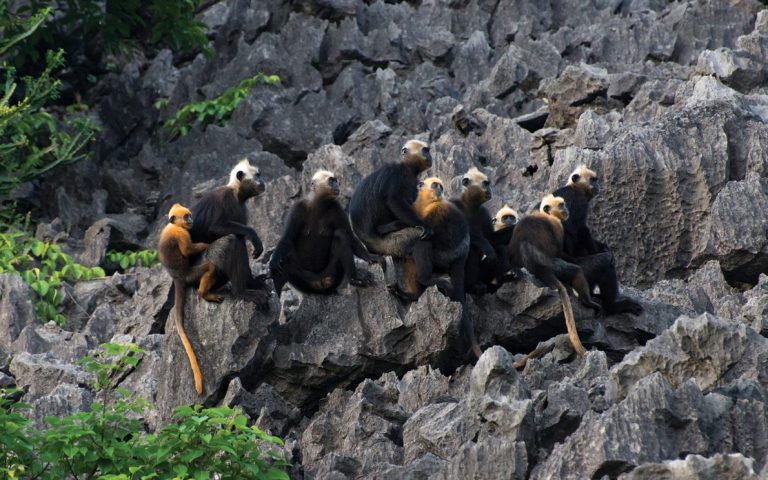
We supported this initiative through a 2-year grant from 2015 to 2016. The grant was used to fund ranger allowances, fuel, food and other costs associated with keeping the patrols in the field and guarding the entirety of the Cat Ba Island. It also directly funded several months of anti-poaching work which led to:

  • 7 arrests made.
  • 68 people individually educated.
  • 67 people expelled from the national park.
  • 15 boats and 11 trucks checked for illegal cargo.
  • 1 floating house checked for contraband.
  • 1 hunting camp discovered and destroyed.
  • 21 string traps, 3 cage traps, 1 steel trap, 1 deadfall type net trap (a new trap type on the island intended to catch ground dwelling birds), 1 gecko snare and 1050 meters of bird net confiscated and destroyed.
  • 1 firearm confiscated (an old .22 caliber Russian made TOZ-8 dating from the 1930s or 1940s).
  • 1 bird released.

UNFRAMED

UNFRAMED—one of Singapore’s first  social accelerators—believes in the power of individuals to address the most prevailing social challenges, selects the most committed and promising social-impact entrepreneurs, and nurtures these changemakers with the community and the support of an ecosystem of outstanding partners. By enabling remarkable entrepreneurs to realize their full potential, UNFRAMED builds great startups with clear social impact.
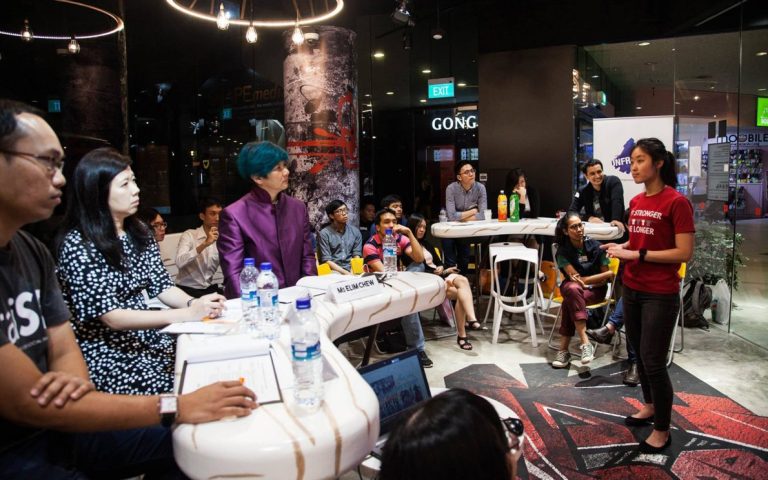
We have supported UNFRAMED in different ways, including grants and guidance, since before its inception in 2014. Additionally, our principal, Jan Croeni, has volunteered as a mentor and adviser at UNFRAMED since 2015.

From 2015 to mid-2017, UNFRAMED:

  • Won financial support of USD370,000+ from prestigious project partners such as DBS Foundation, Singtel and NDC.
  • Trained 212 entrepreneurs in 45 workshops and 2 bootcamps. Assisted 73 social ventures.
  • Ran 4 accelerator programs (e.g. UNAGING, which targets aging-related challenges, Singtel Future Makers, or Enabling Change).
  • Facilitated support worth USD555,000. Hosted over 11 community events, bringing together 227 cross-sector organizations.

As of mid-2017, UNFRAMED is a pillar of Singapore’s social startup scene and a go-to accelerator which continuously grooms entrepreneurs for greater impact.

Looking towards the future, by mid-2019 UNFRAMED plans to scale their impact to 1,000 trained social entrepreneurs, 200 assisted social ventures, 100 workshops, 14 bootcamps, 4 accelerators, and USD1.85 million in facilitated support.

You may also send checks payable to the California Community Foundation, noting that the donation is for the Croeni Foundation. Checks should be mailed to:

California Community Foundation
717 W Temple St.
Los Angeles, CA 90012