CCF Led the Effort to Pass Measure A – now L.A. County Is Set to Build 1,530 Affordable Housing Units
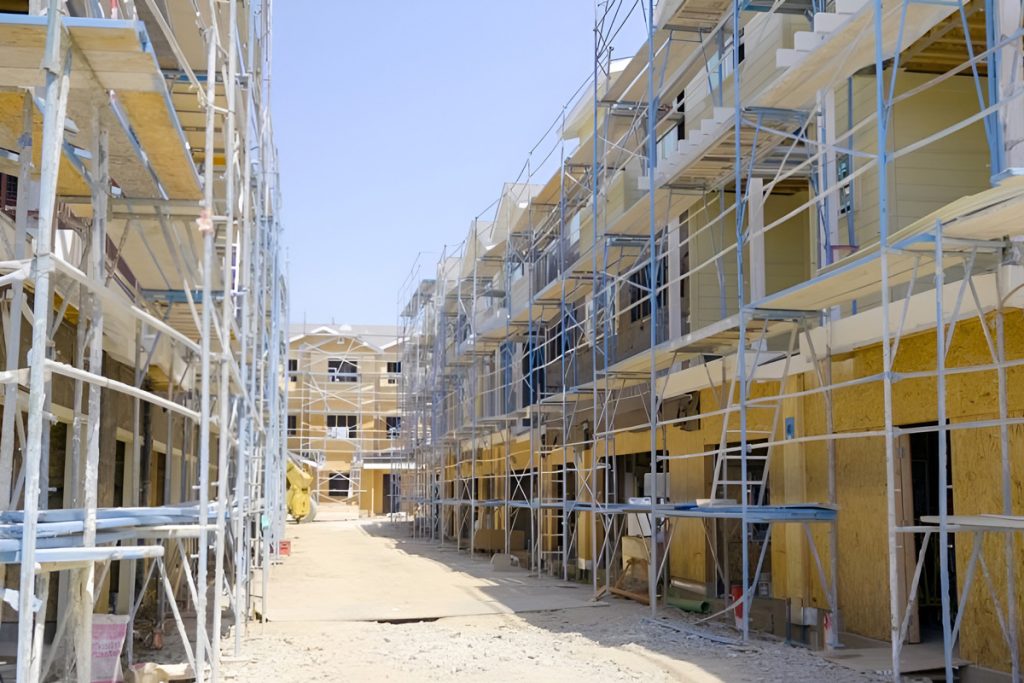
The first results of Los Angeles County’s landmark homelessness funding measure are already emerging, with more than $256 million committed to creating 1,530 affordable housing units just 18 months after voters approved it.
In 2024, voters passed Measure A, a half-cent sales tax that established a permanent revenue stream expected to generate roughly $1.2 billion annually to address homelessness, expand affordable housing and fund mental health and substance use services. The measure also built in new transparency and accountability requirements aimed at accelerating results and restoring public trust.
The California Community Foundation played a central role in getting the tax measure across the finish line. As a long-time advocate of tackling the homelessness and housing crisis, CCF spent more than $5 million to secure the measure’s placement on the ballot, bolster its campaign and educate voters on its benefits. In addition to the crucial funding, CCF helped lead a broad coalition of community groups and grantees that focused its messaging on reform, accountability and the urgency of scaling affordable housing solutions across L.A. County
Now, that early advocacy is beginning to show results.
The first two rounds of affordable housing investments for 20 projects were recently approved by the Los Angeles County Affordable Housing Solutions Agency (LACAHSA), marking the initial funding for housing production and construction tied in part to Measure A revenues.
LACAHSA is an intergovernmental agency backed by the county and partner cities to accelerate affordable housing production, preservation, and displacement prevention. Funded through a mix of Measure A, earned income and strategic partnerships, the agency is designed to move quickly and scale solutions across the region.
Miguel A. Santana, CCF President and CEO and also vice chair of the LACAHSA board, said the effort is a potential statewide model.
“I think in California history this will be seen as really a model of urgency for those who may be watching from the outside and who track this kind of work closely,” said Santana.
Santana was nominated on May 13 as the sole nominee to be the next chair of the affordable housing agency. The board is set to affirm his nomination at the June board meeting.
The nomination marks a full-circle moment for Santana. He was instrumental in building the coalition that passed Measure A and has been among the most vocal advocates for moving housing dollars with speed and accountability and now that yearslong effort is coming to fruition.
The $256 million in funding will help house more than 3,150 people across the 20 projects, with developments spread across all four county zones and jurisdictions including South Gate, Inglewood, Carson, Liberty Hills and the City of Los Angeles. In many projects, LACAHSA’s funds are filling critical gaps that move projects from idea to reality.
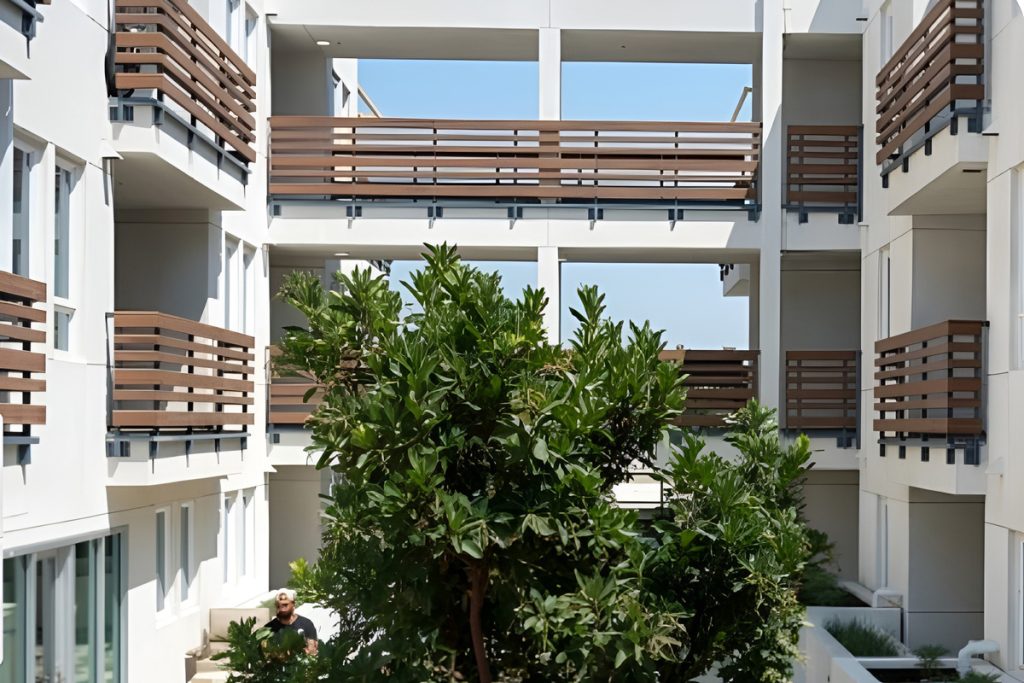
Among the largest first-round awards were nearly $26 million for the 104-unit Pico Canyon project in unincorporated Los Angeles County and about $23.8 million for the Harborgate development in Los Angeles, which will add 122 units. Other allocations included $13.9 million for the 36th Street & Broadway Apartments and $11.5 million for the Fountain Apartments.
To preserve flexibility, the board also approved five runner-up projects that can be funded if any primary awardees fail to close — a safeguard designed to ensure shovel-ready projects don’t stall.
Long Beach Mayor Rex Richardson said that LACAHSA’s investments have already generated an estimated 4,750 jobs and a projected $1.1 billion in projected economic activity.
“This is really important, substantial work and it sets a pace and a tone for this agency,” Richardson said. “This is showing local government can work.”
LACAHSA’s inaugural funding round drew a strong response from the development community: 242 applications spanning 126 proposed developments and requesting more than $1.5 billion — far exceeding what was available. The demand underscored both the depth of the county’s housing crisis and the pent-up appetite for a reliable public financing partner.
Several mid-sized developments rounded out the portfolio, including Drew Street Apartments, Path Villas Normandie and the Sierra Vista Apartments. Three of the funded developments relied in part on federal Low-Income Housing Tax Credits, reflecting the layered financing approach typical of affordable housing in high-cost markets.
For a three year old housing agency, the LACAHSA’s trajectory has been impressive, said Long Beach Mayor Rex Richardson who serves as chair of the board. Twenty projects have been funded and thousands of units are in the pipeline.
All of this work is “supporting and uplifting our local economies in our cities” and is “catalyzing large scale housing production and preservation efforts,” Richardson said. “We still have more funding and more investments to make every single year from this board.”
For more information about Measure A spending, go to: lacahsa.gov/measure-a-funds-tracker/
– Ben Poston