
2026-2027 Fellowship for Visual Artists
Our Fellowship for Visual Artists (FVA) supports mid-career visual artists who have shown exceptional talent and commitment to a career in the arts, but who have not received the acclaim and recognition commensurate with their talent and promise. Through unrestricted grants and professional development opportunities, fellows are supported in order to reach the next level of their respective careers.
Meet the 2026-2027 Fellows
Meet the talented artists who are part of this year’s Fellowship for Visual Artists, each bringing a unique perspective and creativity that enriches our cultural landscape.
alexandre ali reza dorriz | Ashton S. Phillips | Carla Harris
Carol Zou | Eva Aguila | Kimberly Robertson
Melissa Govea | noé olivas | Reynaldo Rivera
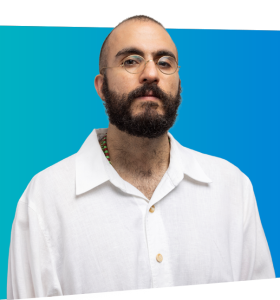
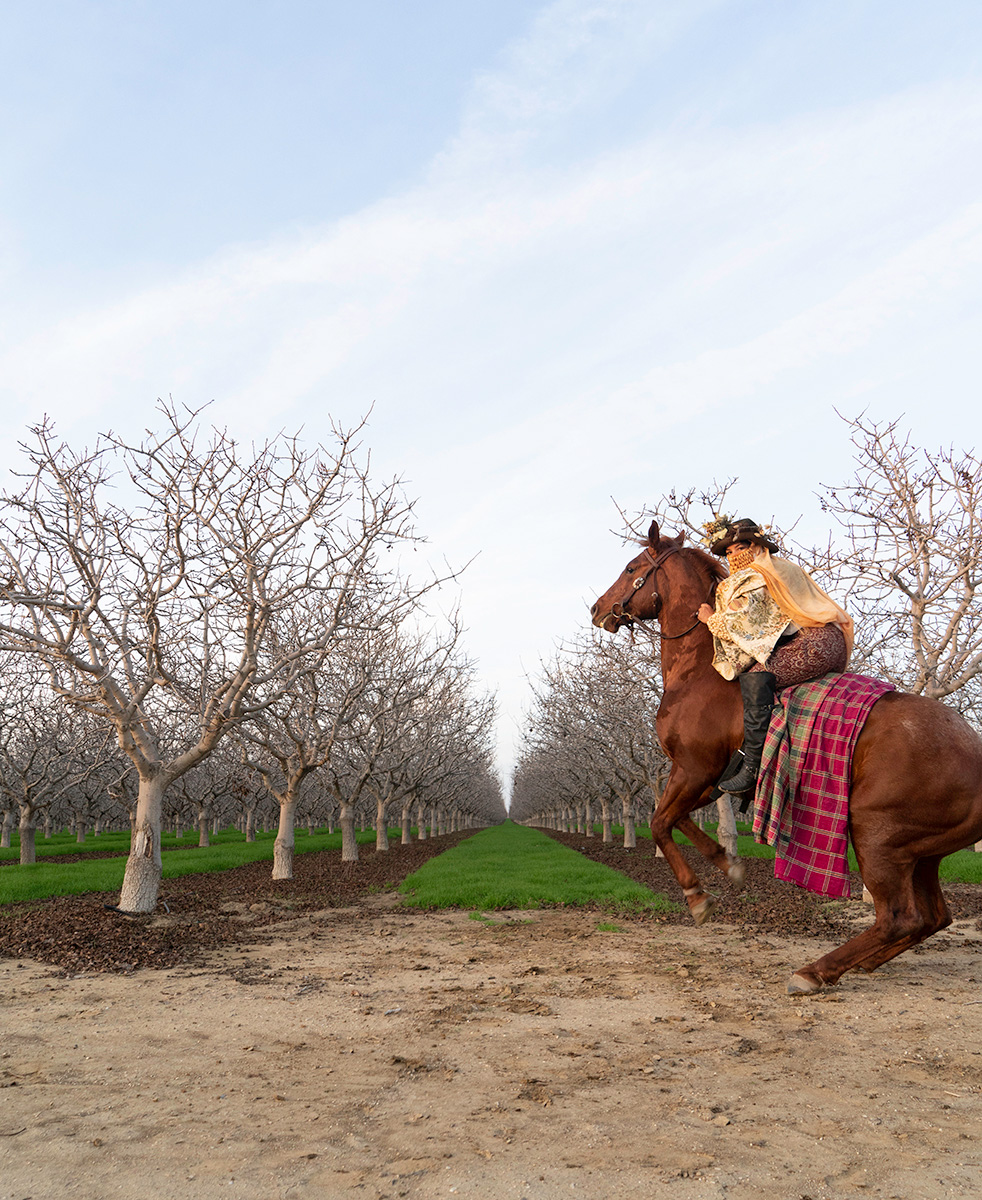
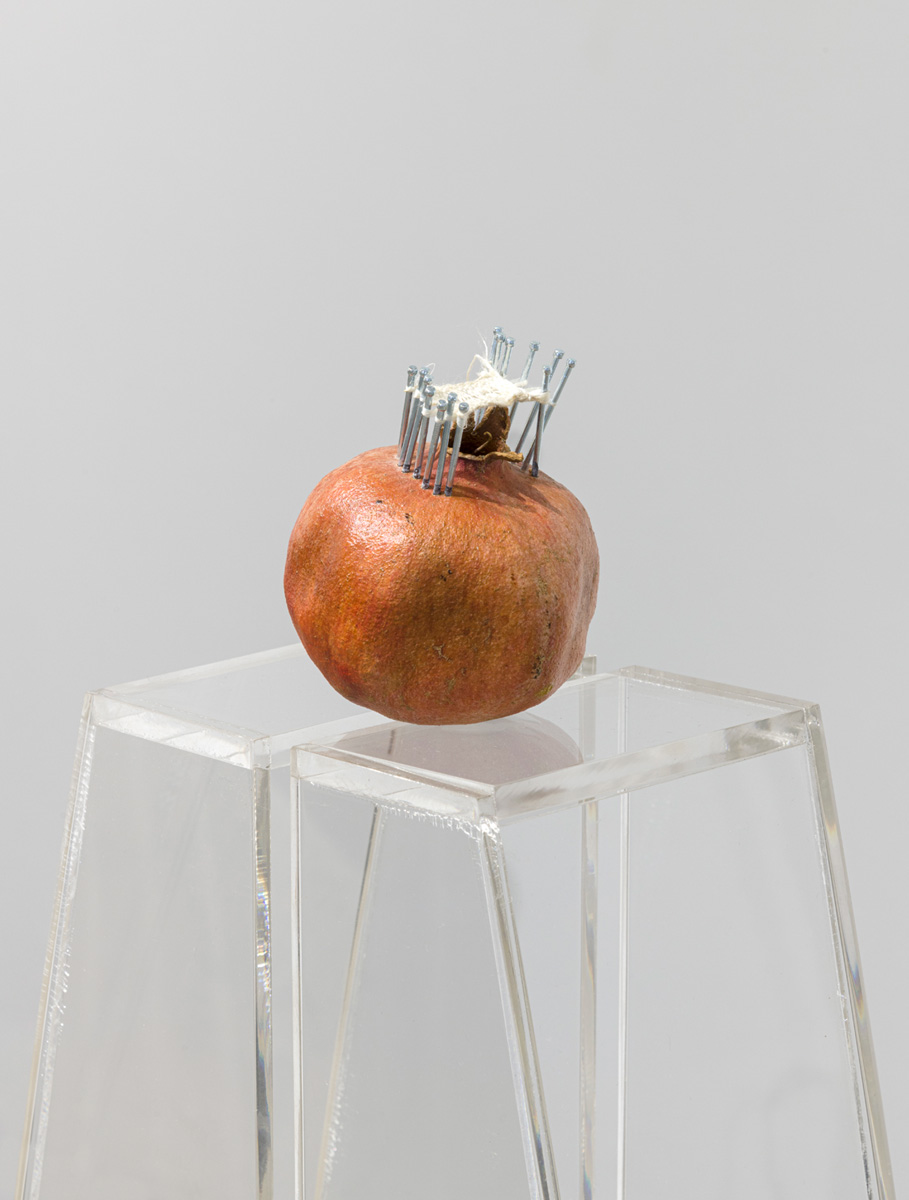
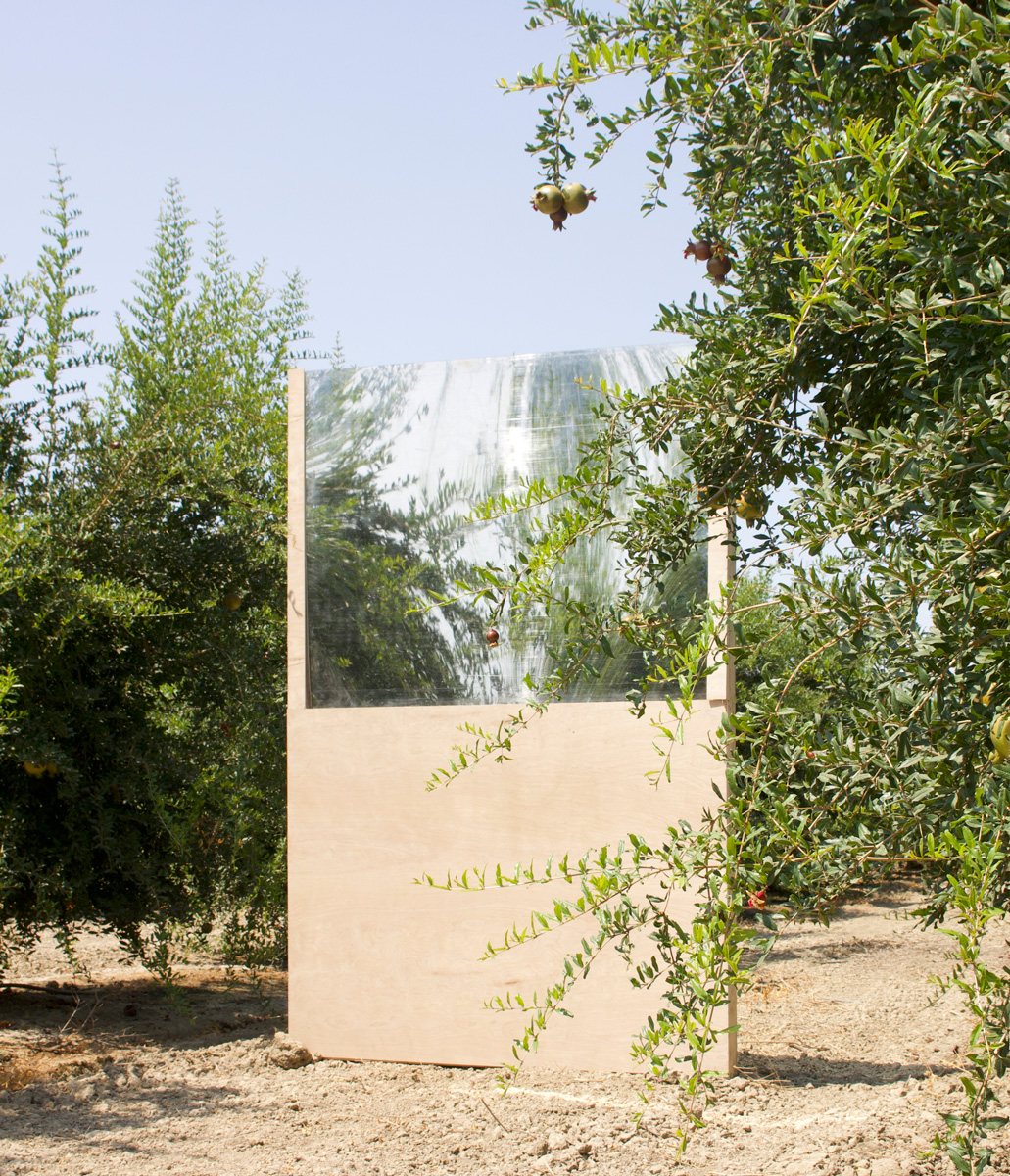
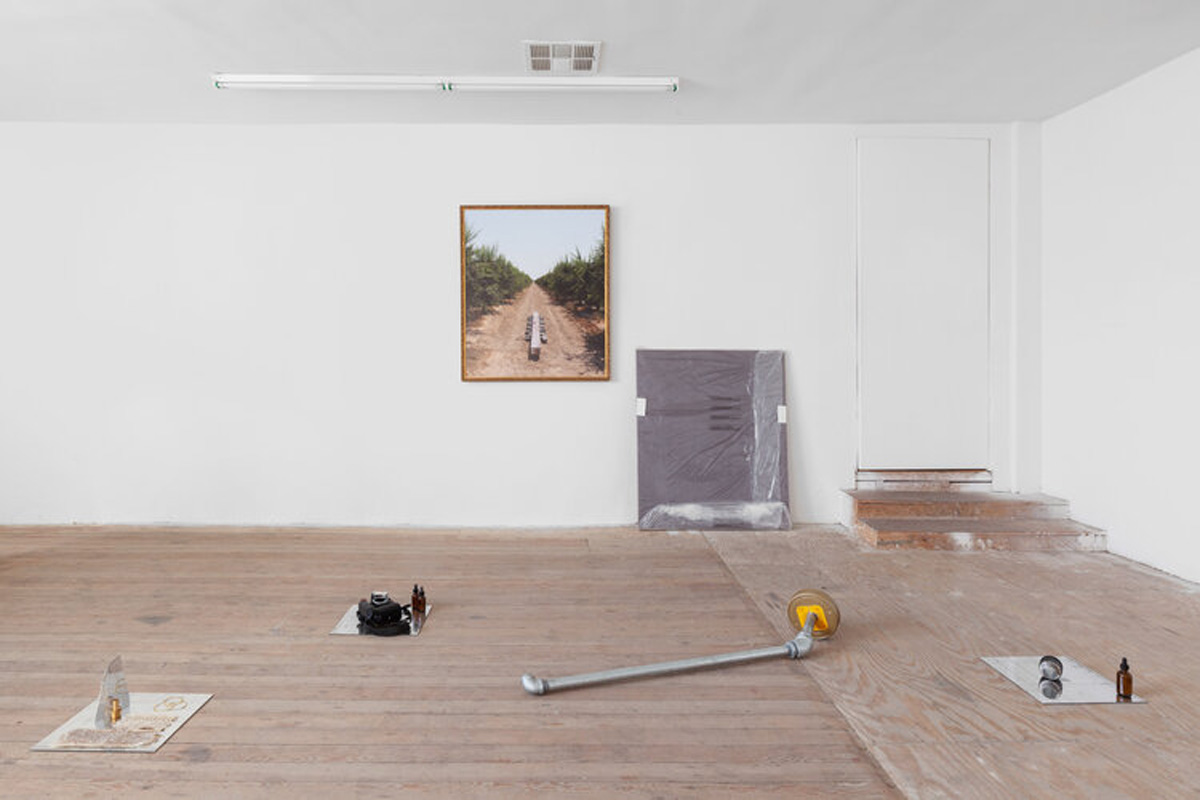
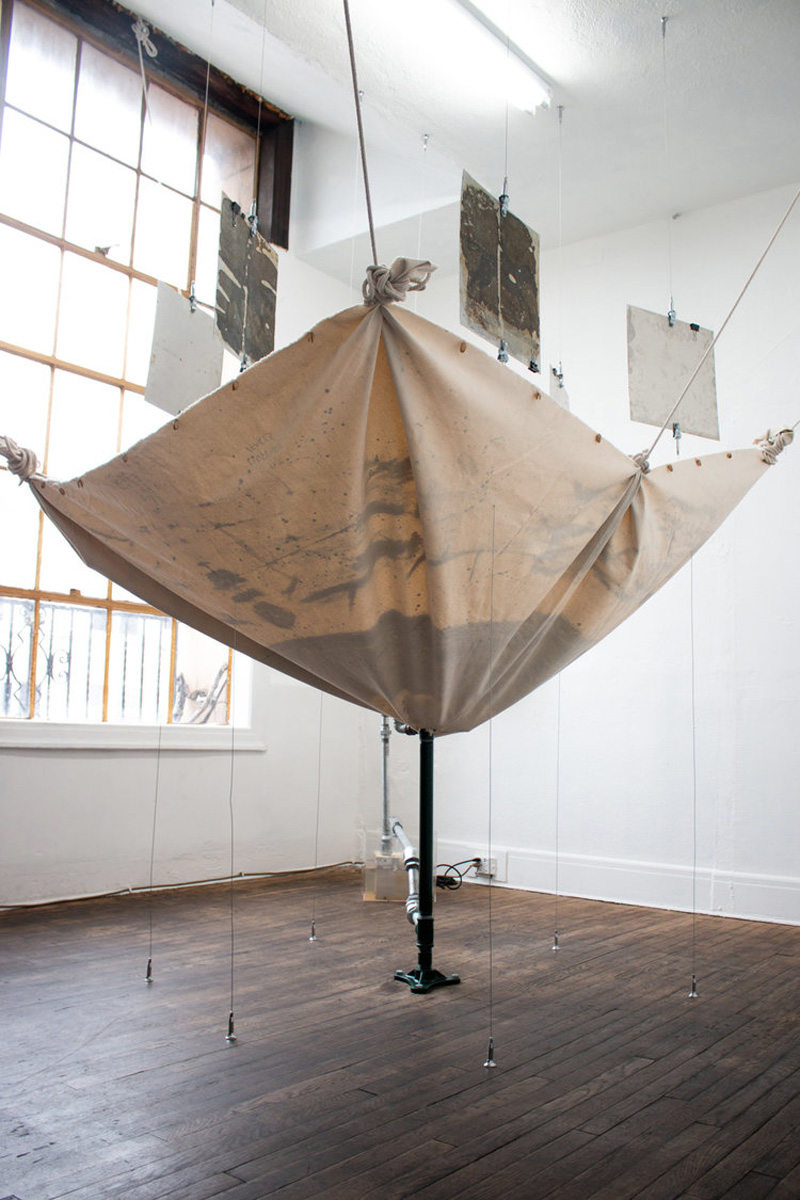
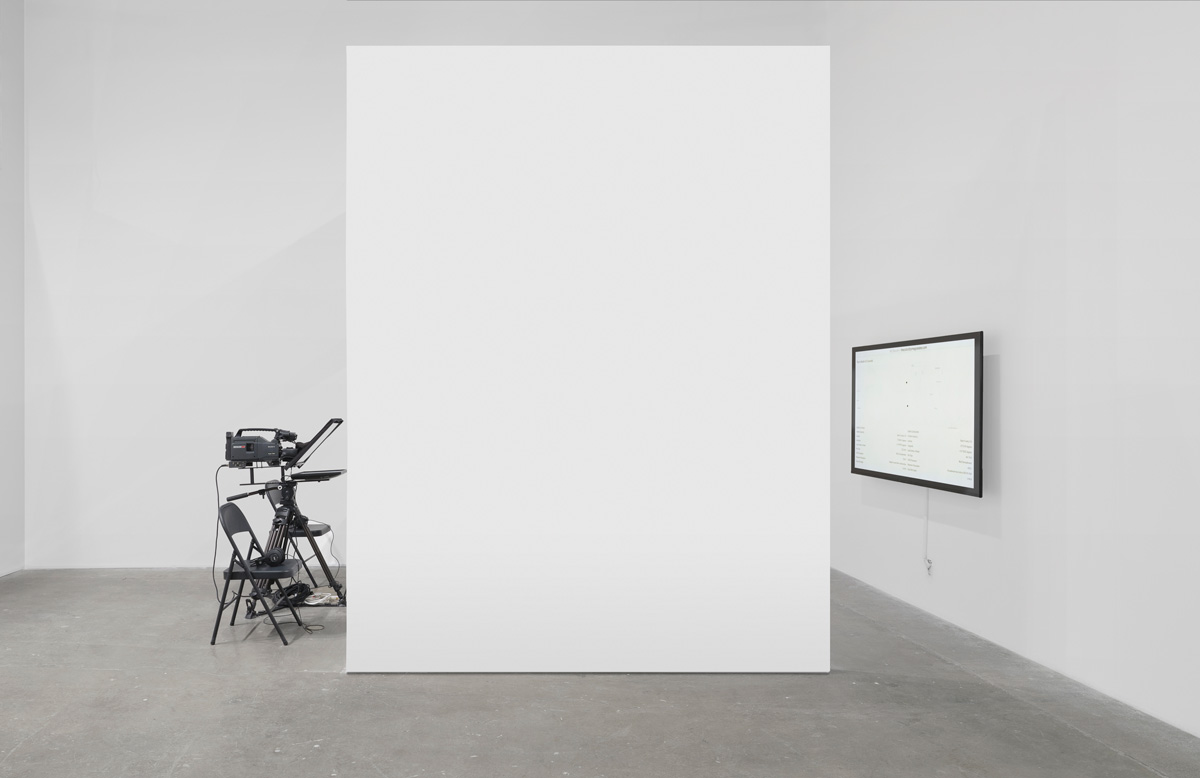


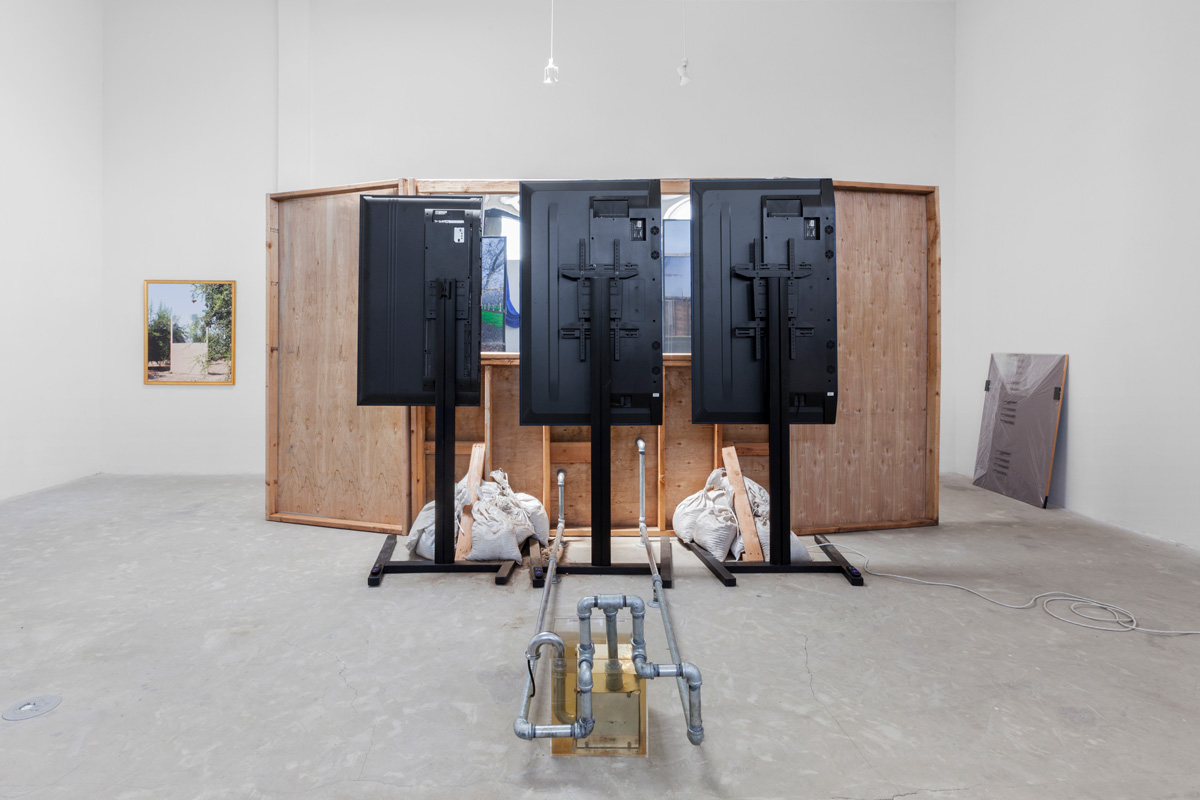
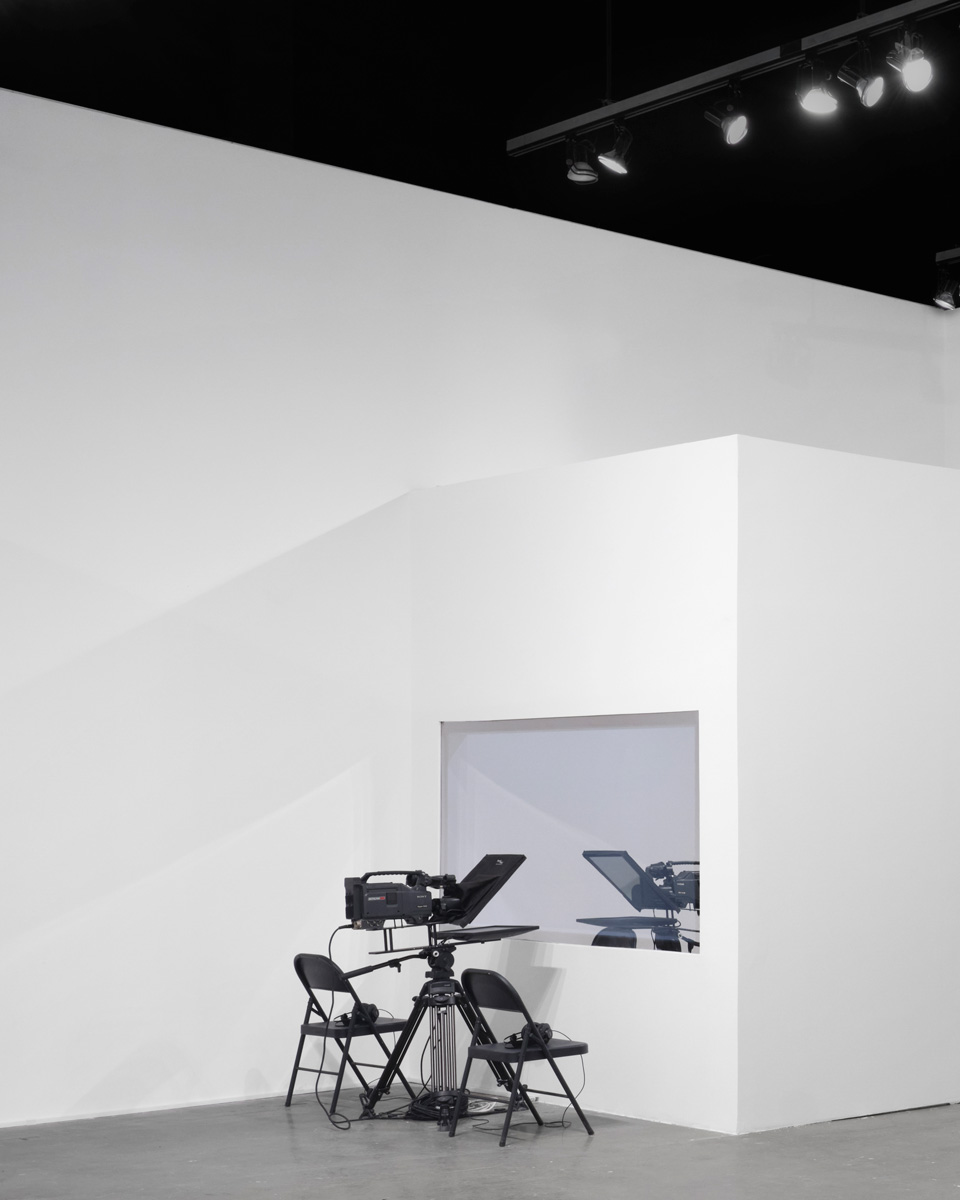
alexandre ali reza dorriz is an interdisciplinary artist, writer, educator, and co-founder of Crenshaw Dairy Mart with artists Patrisse Cullors and noé olivas. his research examines optics, power, and patronage through the structures governing public and private resources, including water and land use. Since 2017, dorriz has conducted fieldwork in California’s Kern County, a contested site shaped by industrial agriculture, water diversion and banking, and the privatization of public aquifers. his research connects these conditions to the global political sanctioning of Iranian goods. Working across photography, film, installation, sculpture, and text, dorriz uses lens- and time-based processes to investigate these relationships. his writing has appeared in the UCLA Law Review and Art Journal; his work has been featured in the Los Angeles Review of Books Quarterly and Artforum. he has taught at the University of Southern California and Prescott College’s Social and Environmental Arts Practice MFA program. dorriz participated in the Skowhegan School of Painting and Sculpture and holds an MFA from the University of Southern California and a BA from the University of California, Berkeley.
Ashton S. Phillips
he/him/his – she/her/hers – they/them/theirs
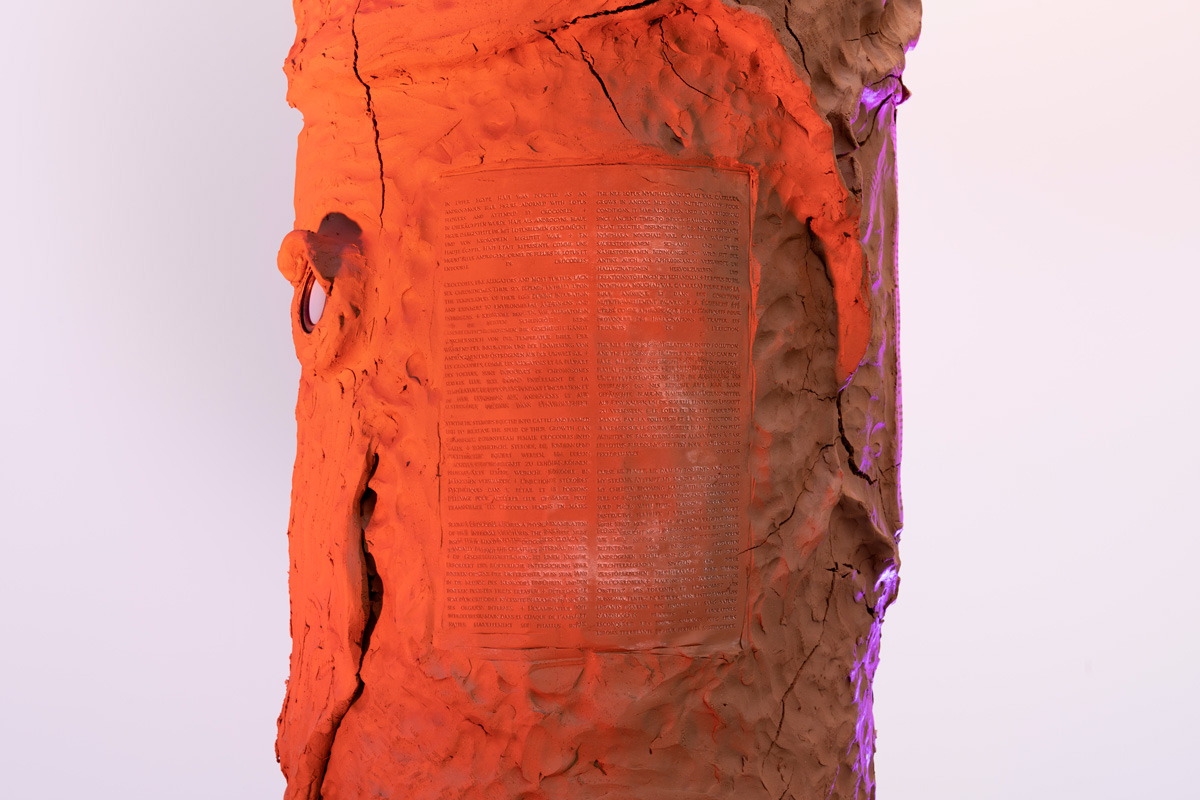
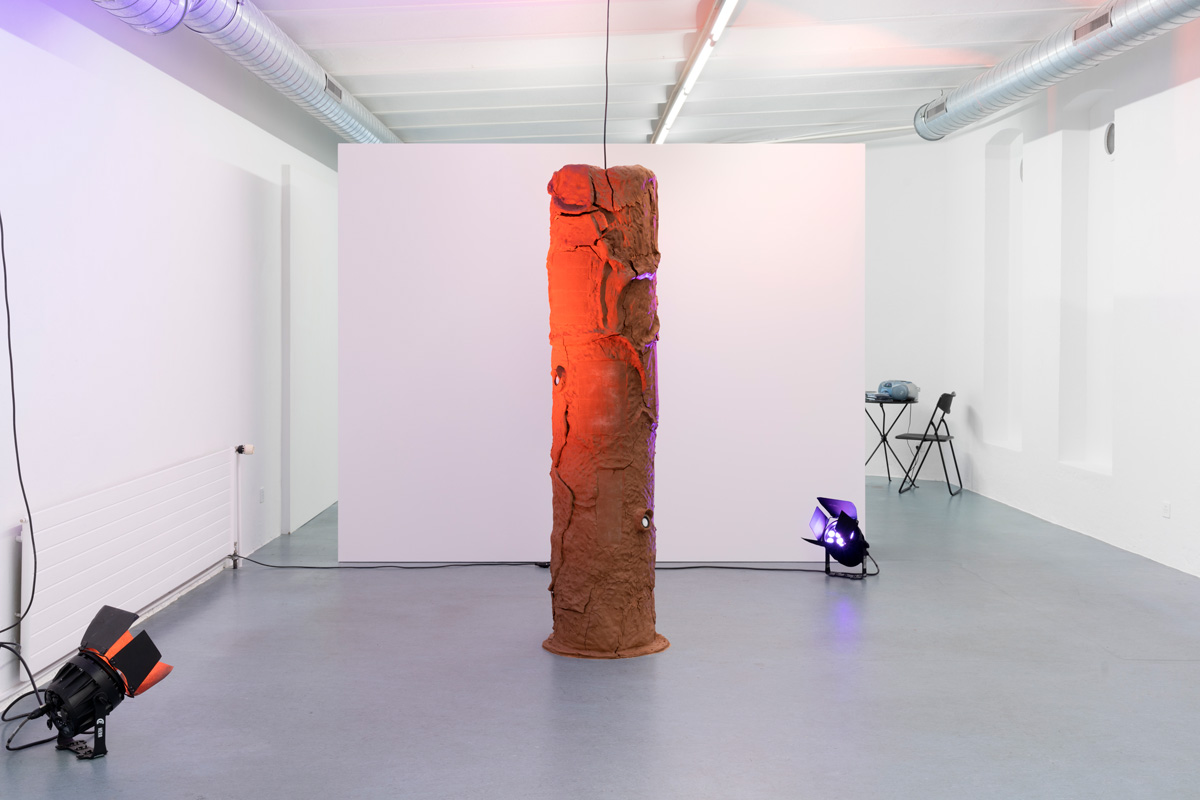
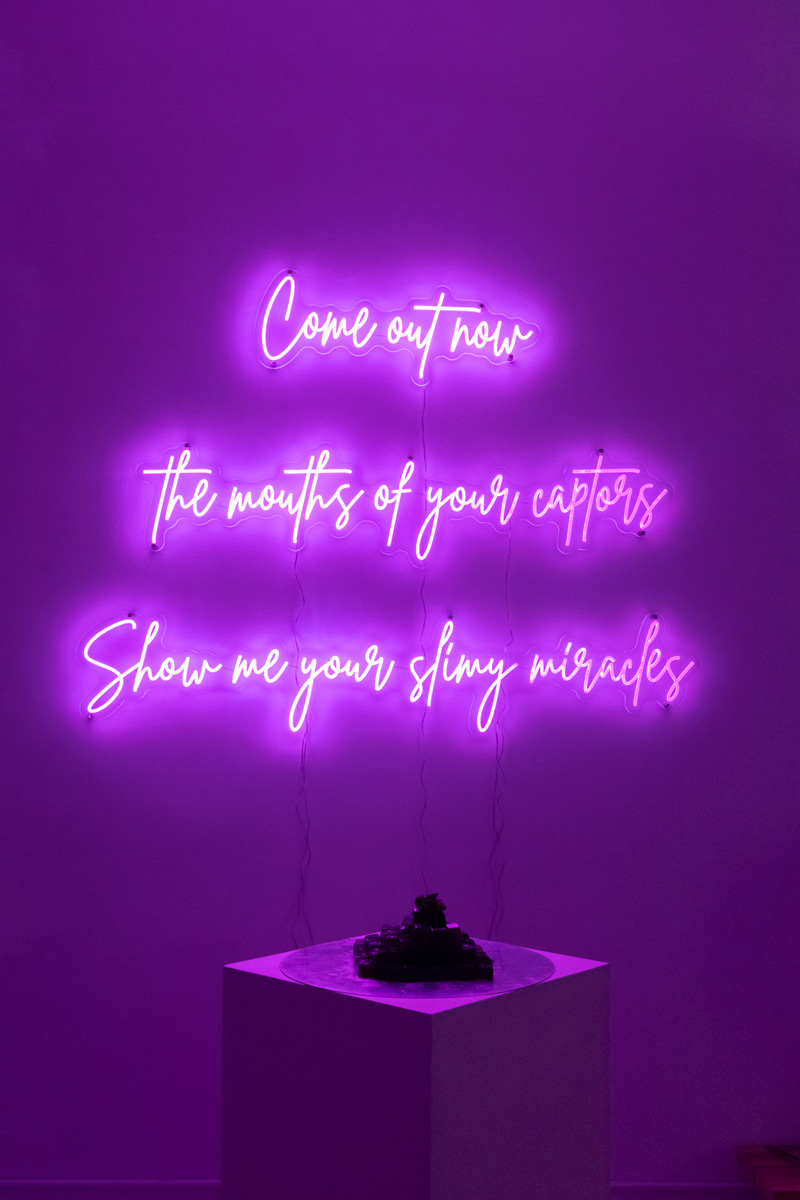
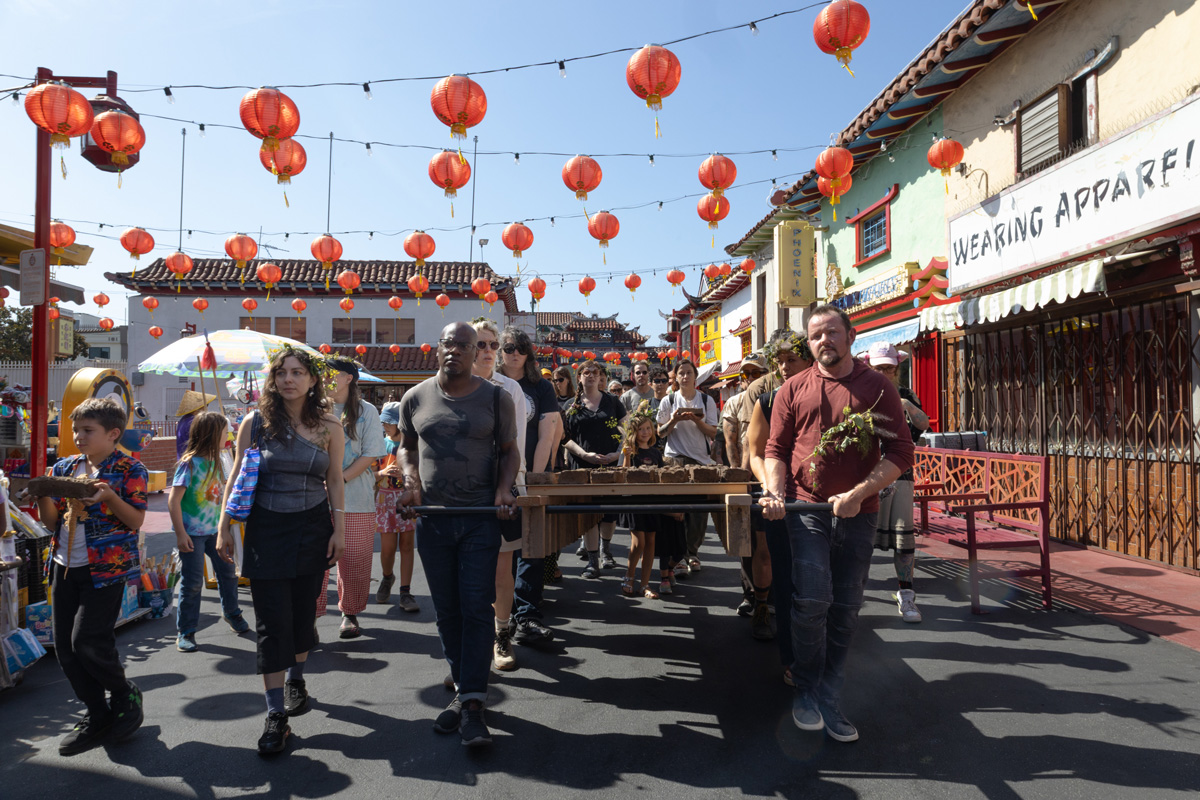
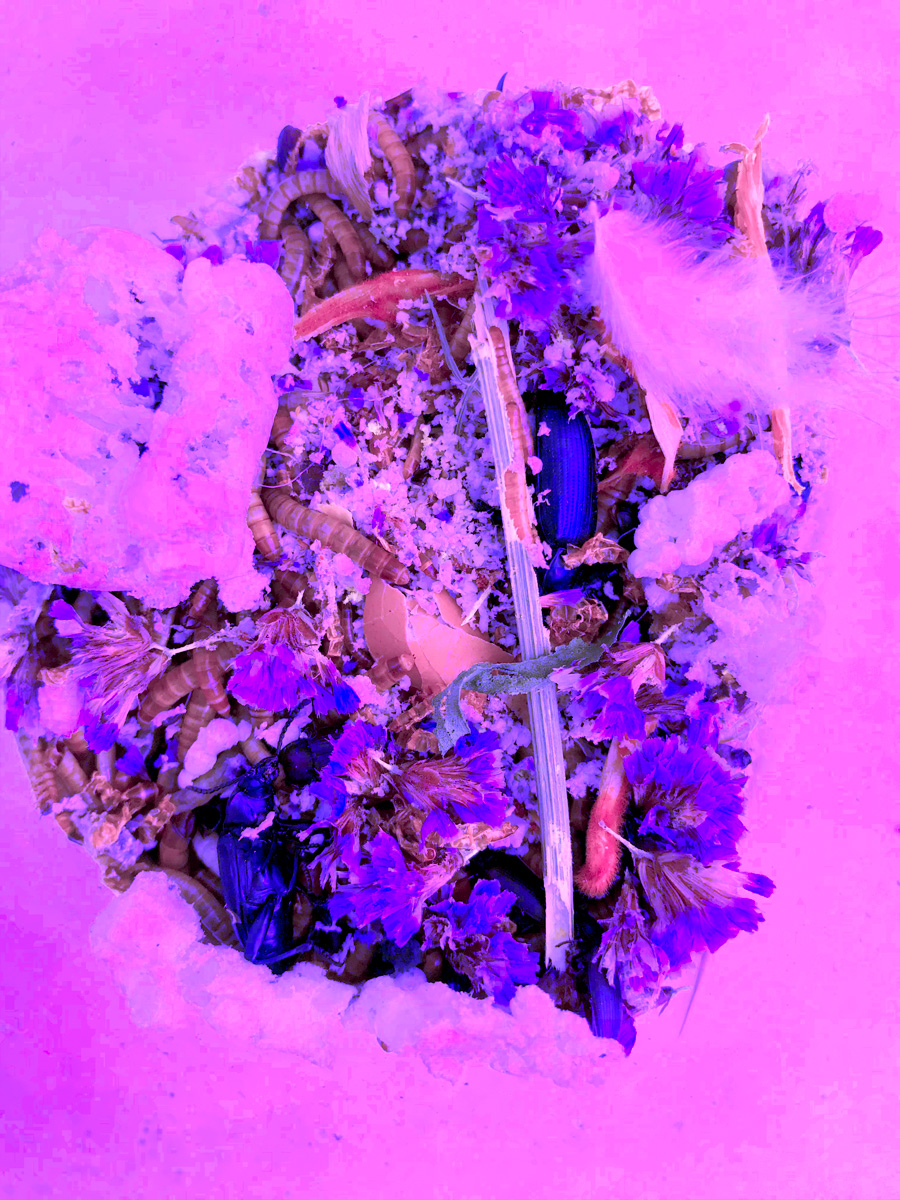
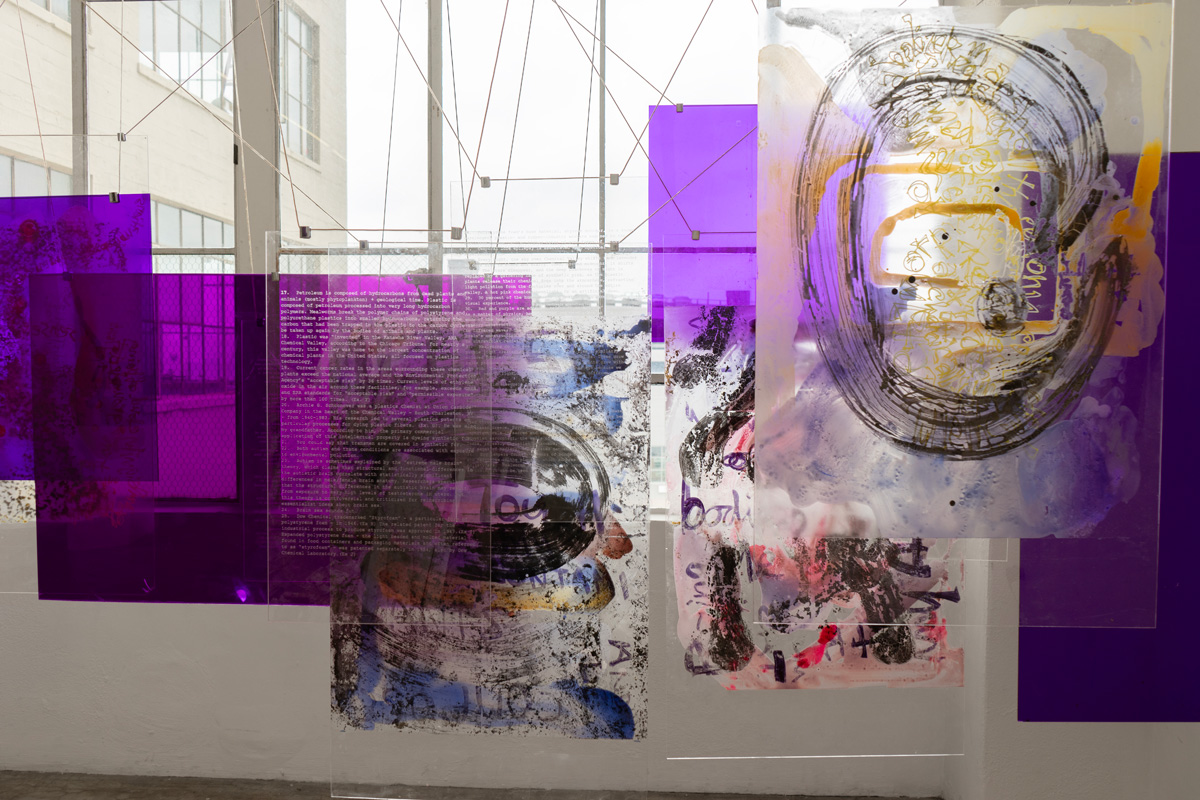
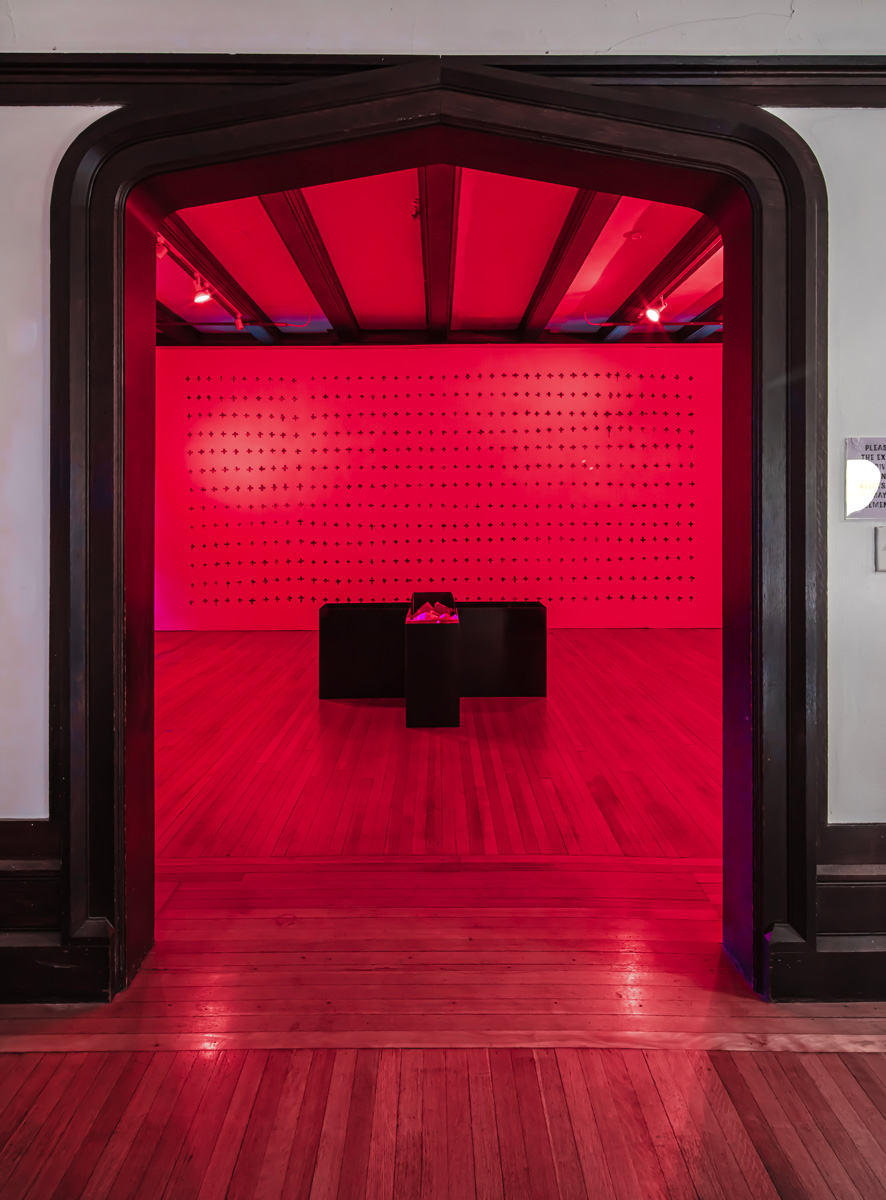
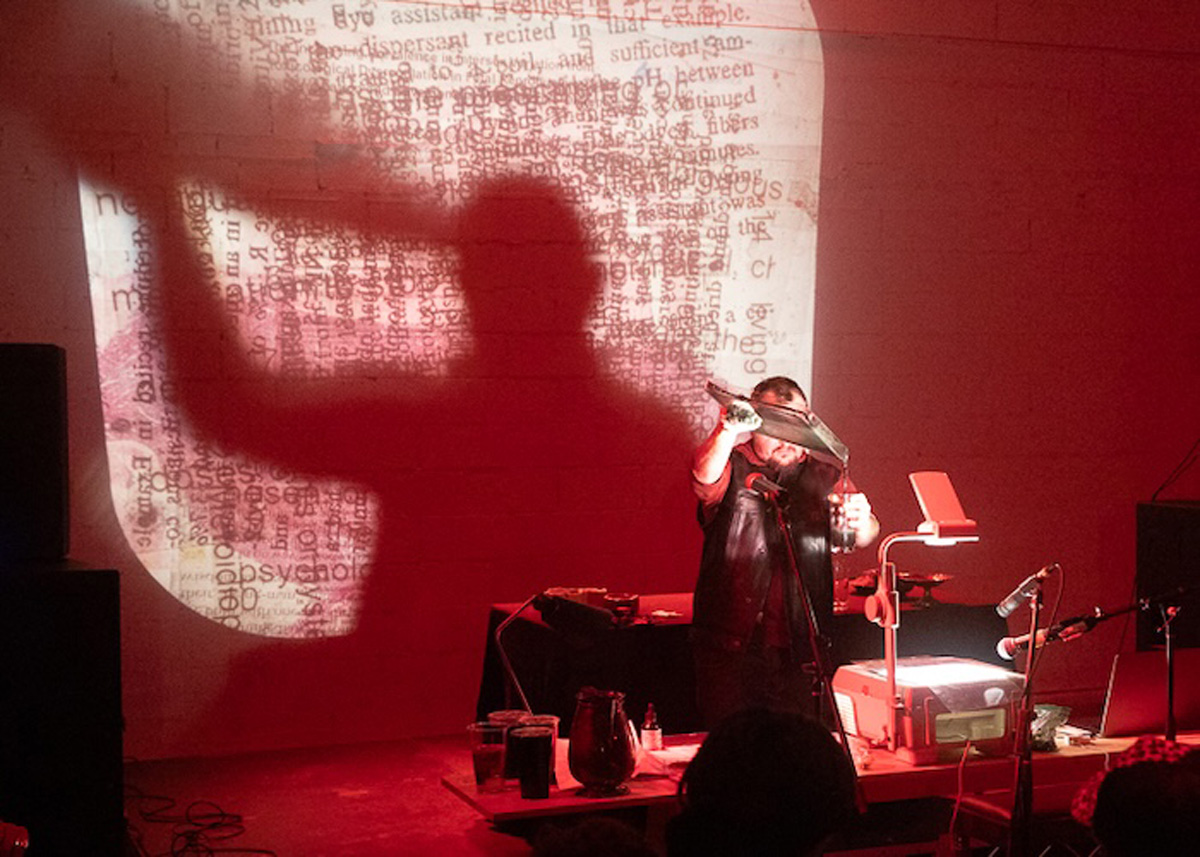

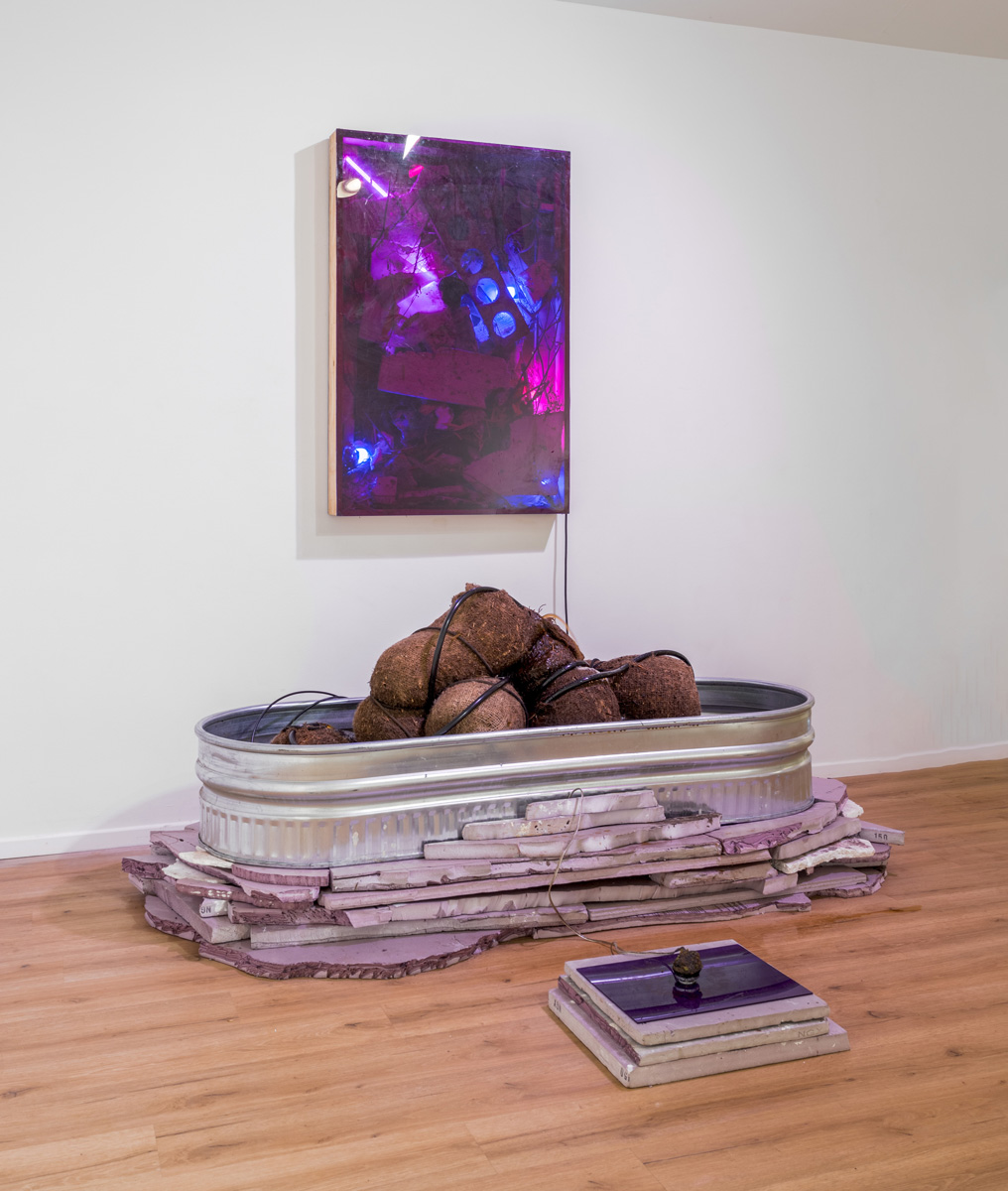
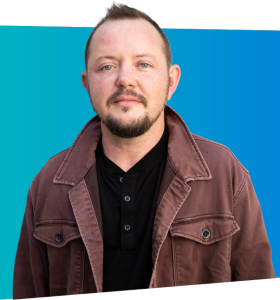
Ashton S. Phillips is a Los Angeles–based, socially and ecologically-engaged artist, writer, and researcher focused on the plasticity of bodies, the transness of matter, and the poetics of impurity. Raised in West Virginia’s “Chemical Valley” among plastics plants and coal mines, Phillips collaborates with postnatural material, synthetic light, and pollution-resilient, metamorphosing, and shapeshifting lifeforms to build speculative refuges for vulnerable bodies navigating systems of environmental damage and social erasure. His antidisciplinary background in anthropology, archaeology, law, trans and queer liberation movements, experimental media, and visual art informs his research-intensive, multi-sensory, and experimental public practice, including recent performances and installations at Human Resources, 2220 Arts + Archives, Automata Arts, Metabolic Studios, MaryTwo Gallery (Switzerland), the Ely Center for Contemporary Art (CT), Tiger Strikes Asteroid (LA), and LACMA. Phillips’ most recent work experiments with nonlinear, multi-vocal writing, spatialized, multi-species language, and speculative rituals as methods for reclaiming public space and disrupting cisnormative ways of seeing, listening, speaking, and knowing in deeply hostile times. His critical writing has appeared in Trans Studies Quarterly, Antennae, and CARLA. He holds an MFA from Maryland Institute College of Art, a JD from George Washington University Law School, and a BA in Anthropology from the University of Maryland.

Carla Jay Harris
she/her/hers
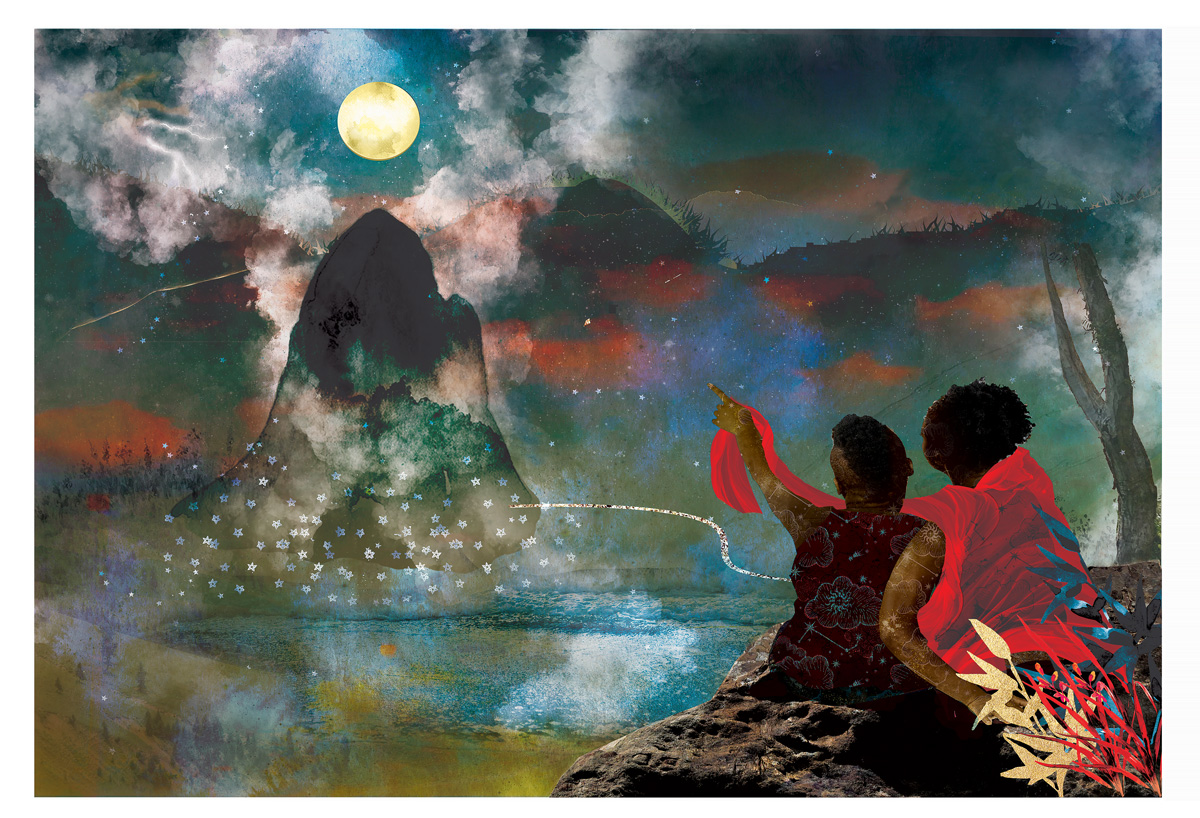
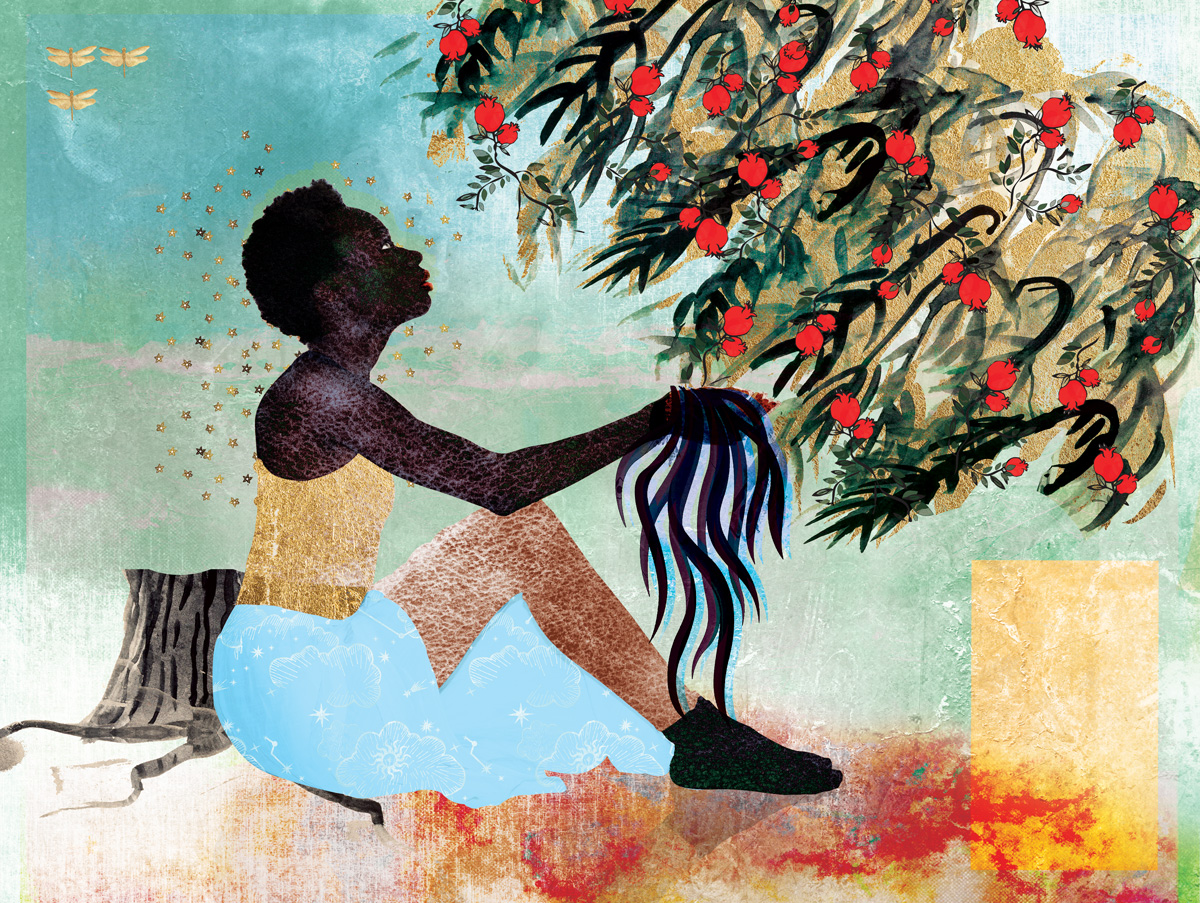
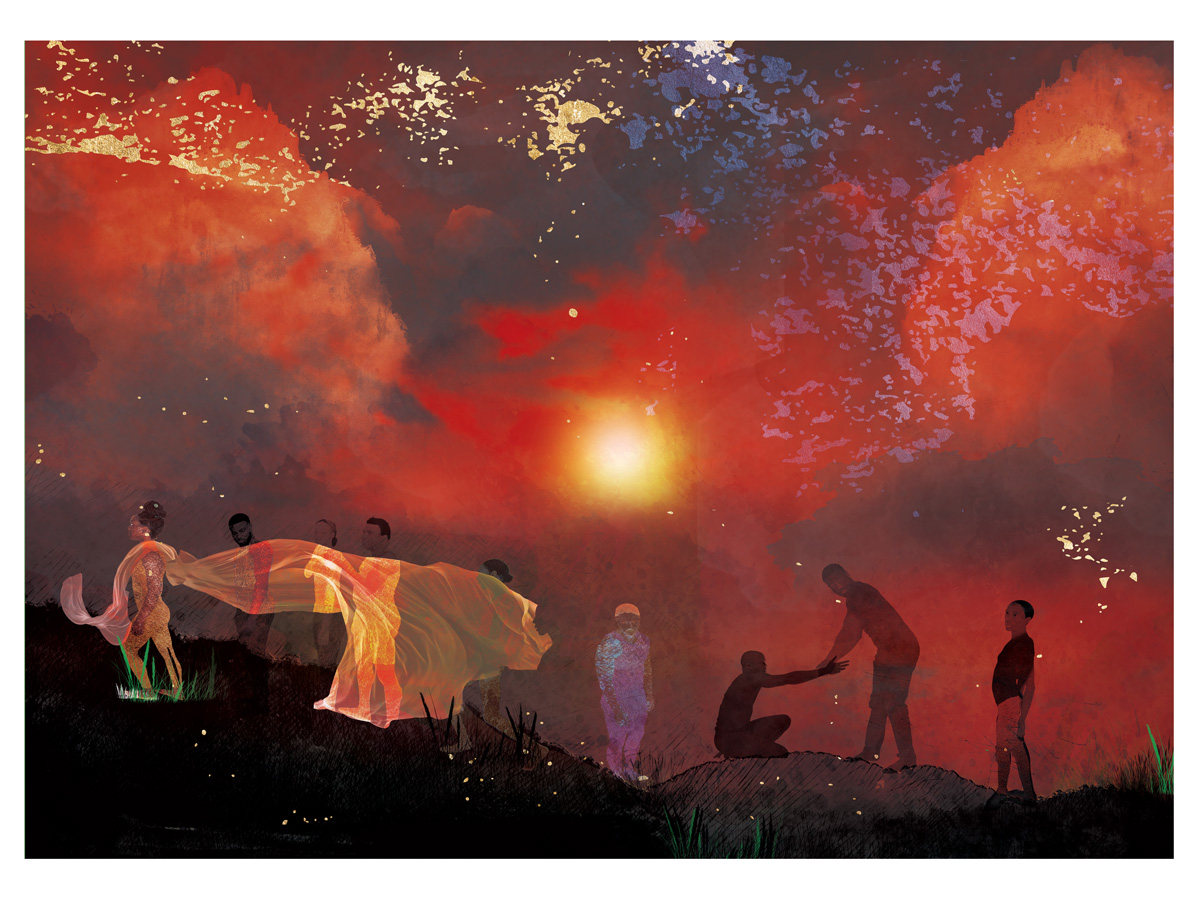
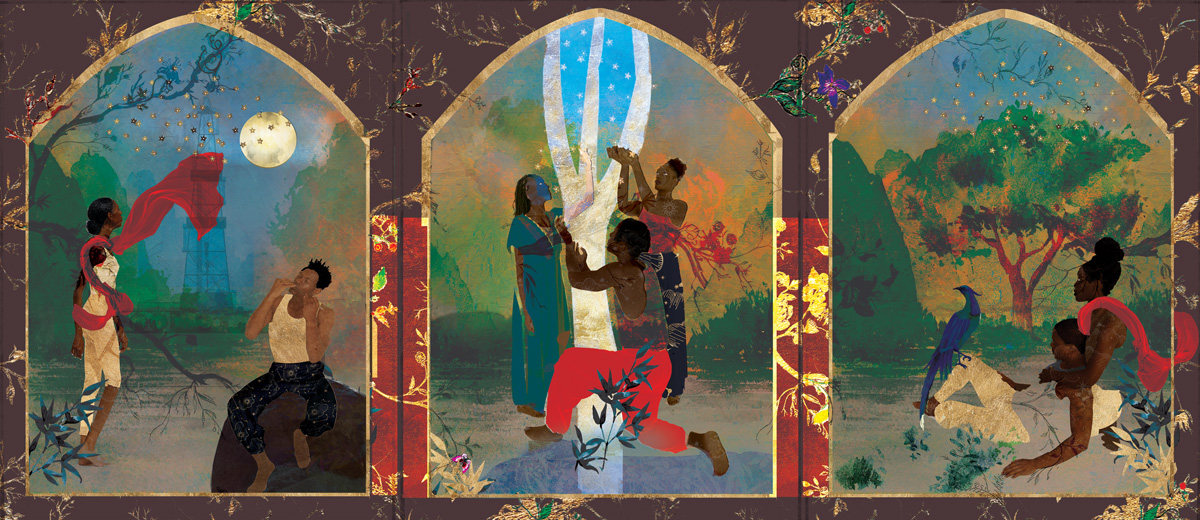
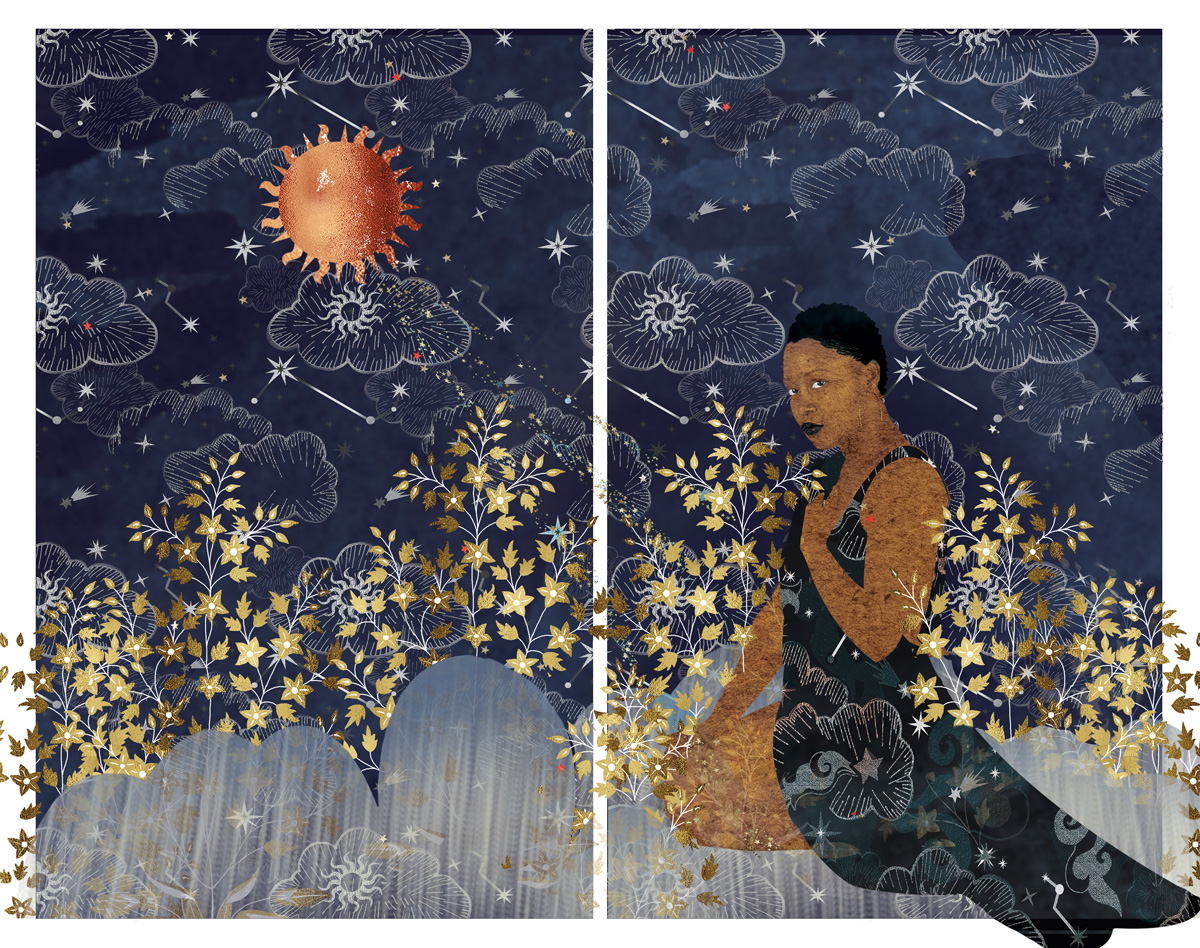
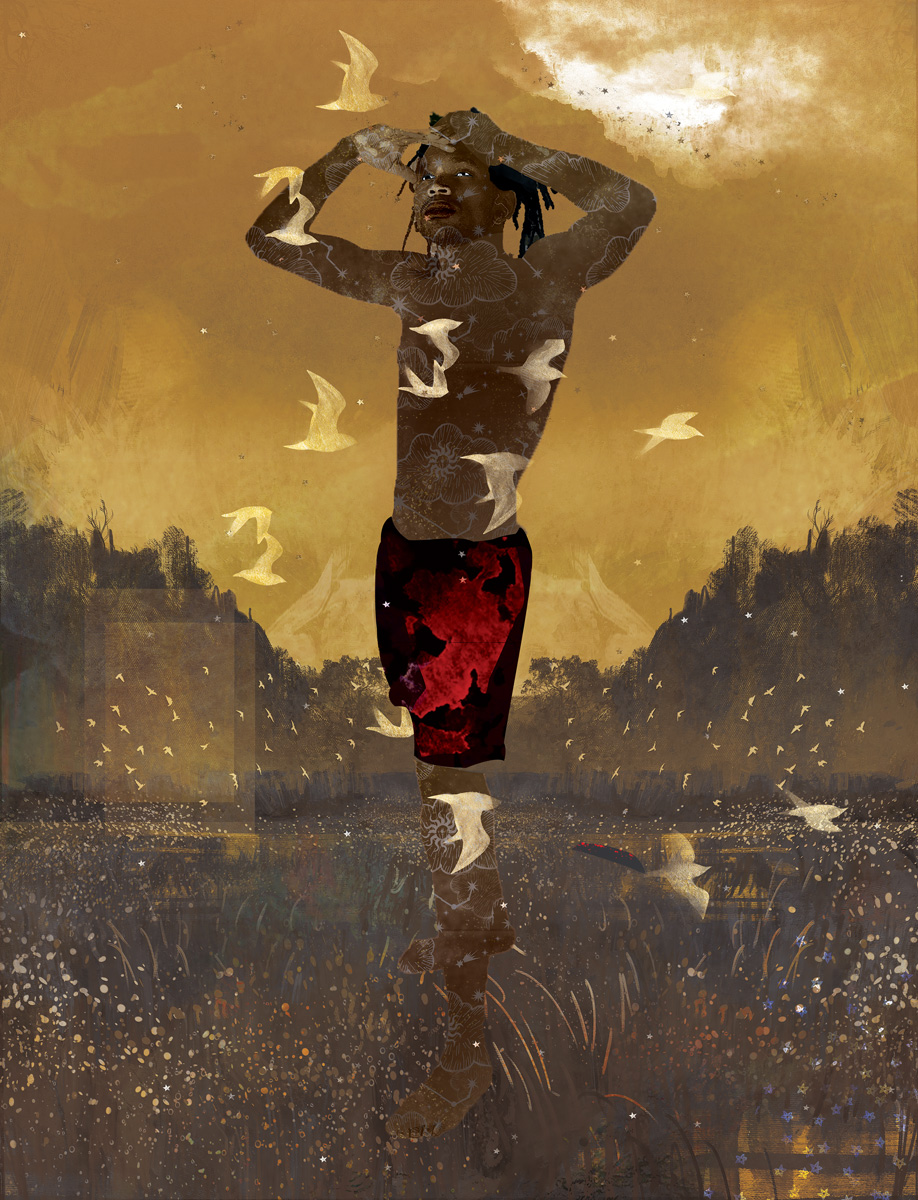
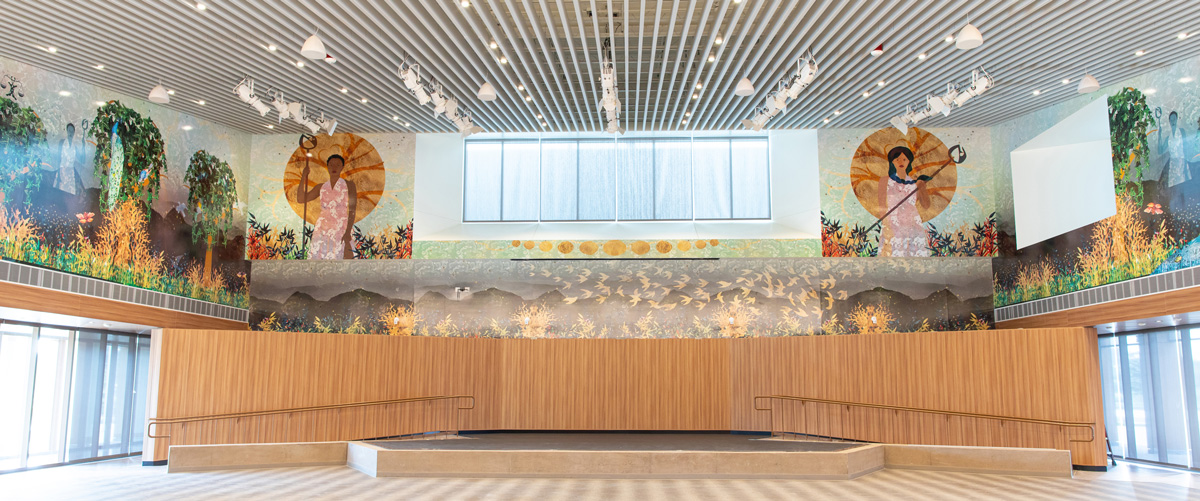
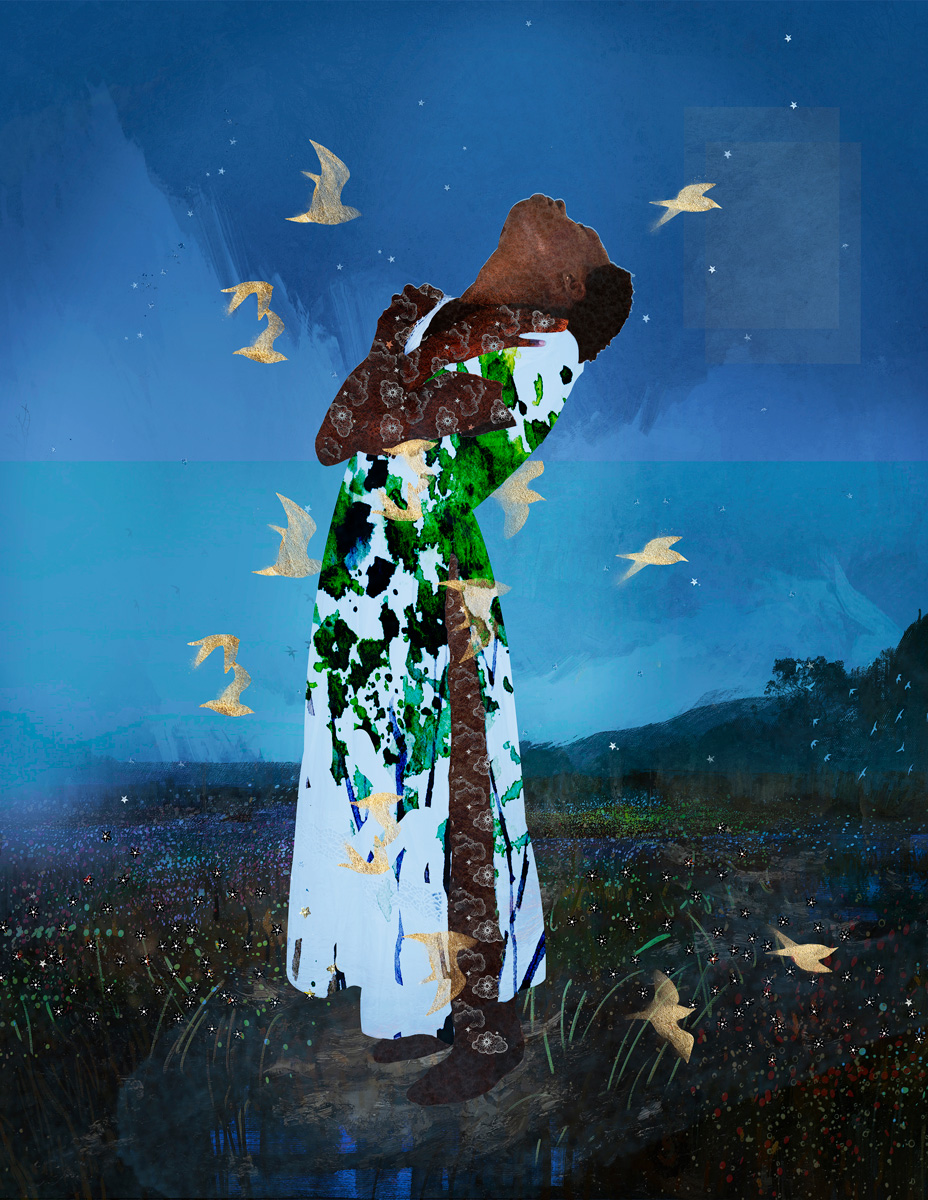
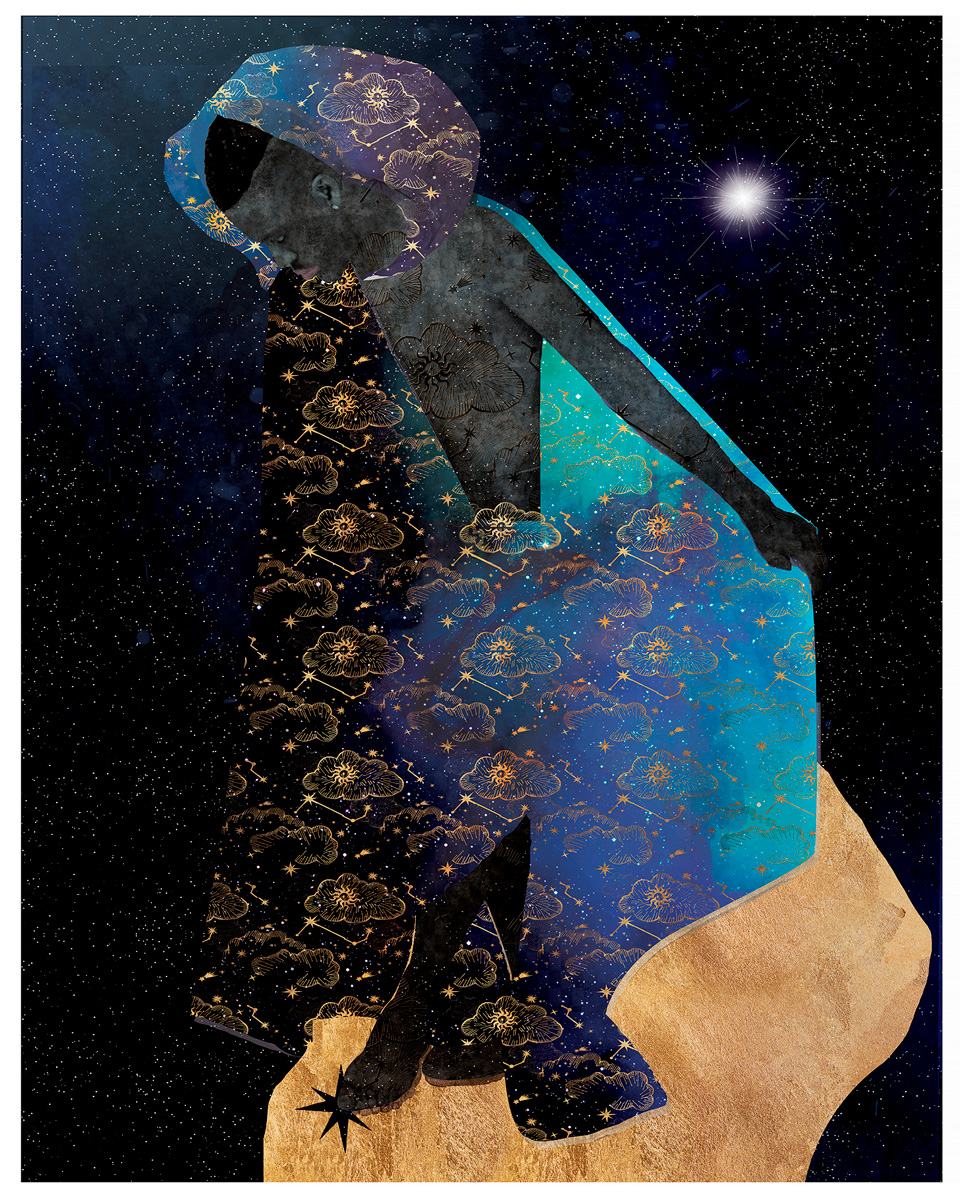
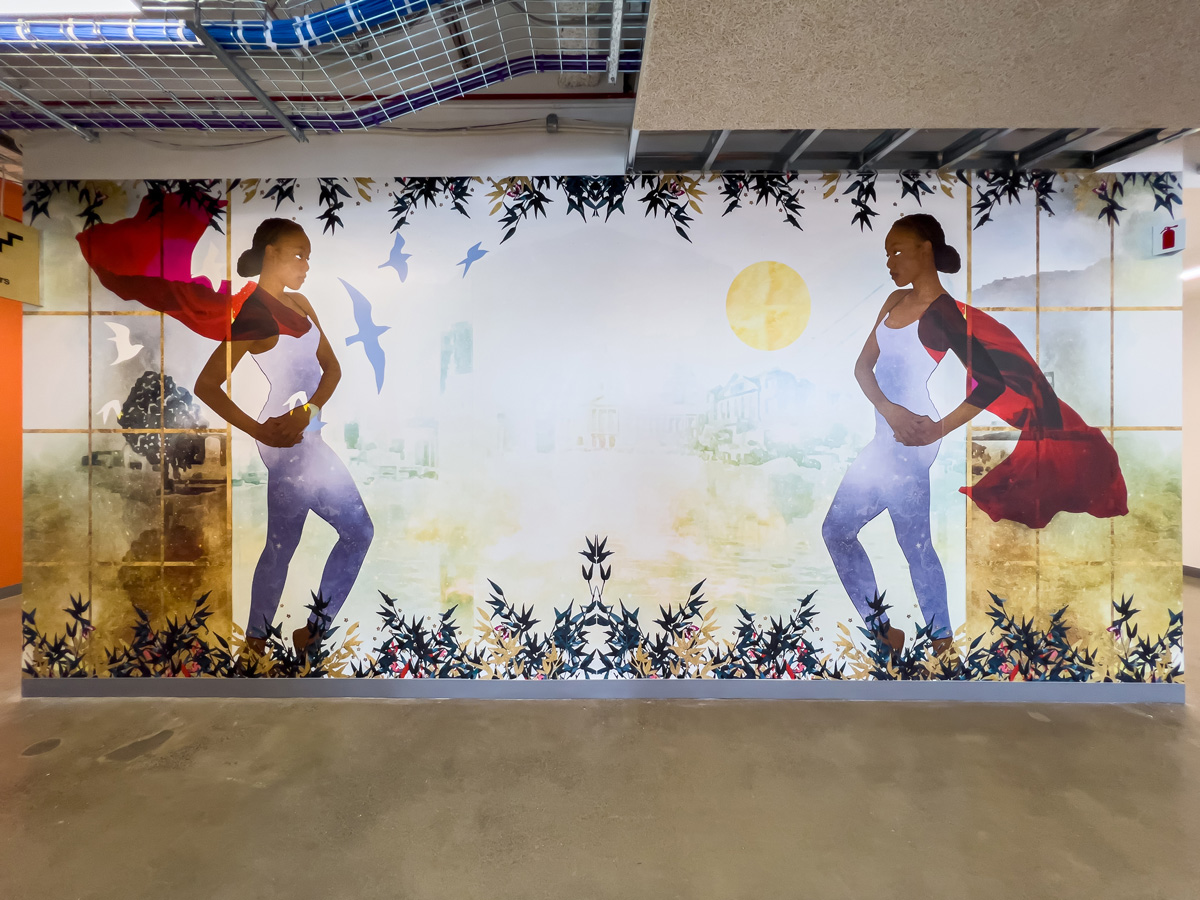
Carla Jay Harris is a Los Angeles-based multidisciplinary artist whose work explores community, memory, and place through portraiture, photography, public art, and installation. Rooted in storytelling, her practice centers histories, experiences, and everyday lives that are often overlooked or underrepresented. Harris has created public art projects throughout Southern California for organizations including the Los Angeles County Department of Arts and Culture and Los Angeles Metro. Working across murals, large-scale installations, and community-engaged projects, she explores how art can shape public space, preserve local histories, and foster connection. Recent commissions for healthcare, transportation, and civic spaces examine themes of healing, belonging, and collective memory. Alongside her public art practice, Harris maintains an active studio practice and is represented by Luis De Jesus Los Angeles. Her work has been exhibited nationally and internationally and is held in collections including the California African American Museum, USC Fisher Museum of Art, Museum of Art and History (Lancaster), and Museum of Fine Arts Sherbrooke. Harris received her MFA from UCLA and BS from the University of Virginia. She lives and works in Los Angeles.
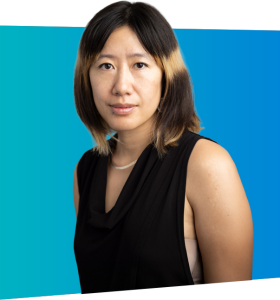
Carol Zou
they/them
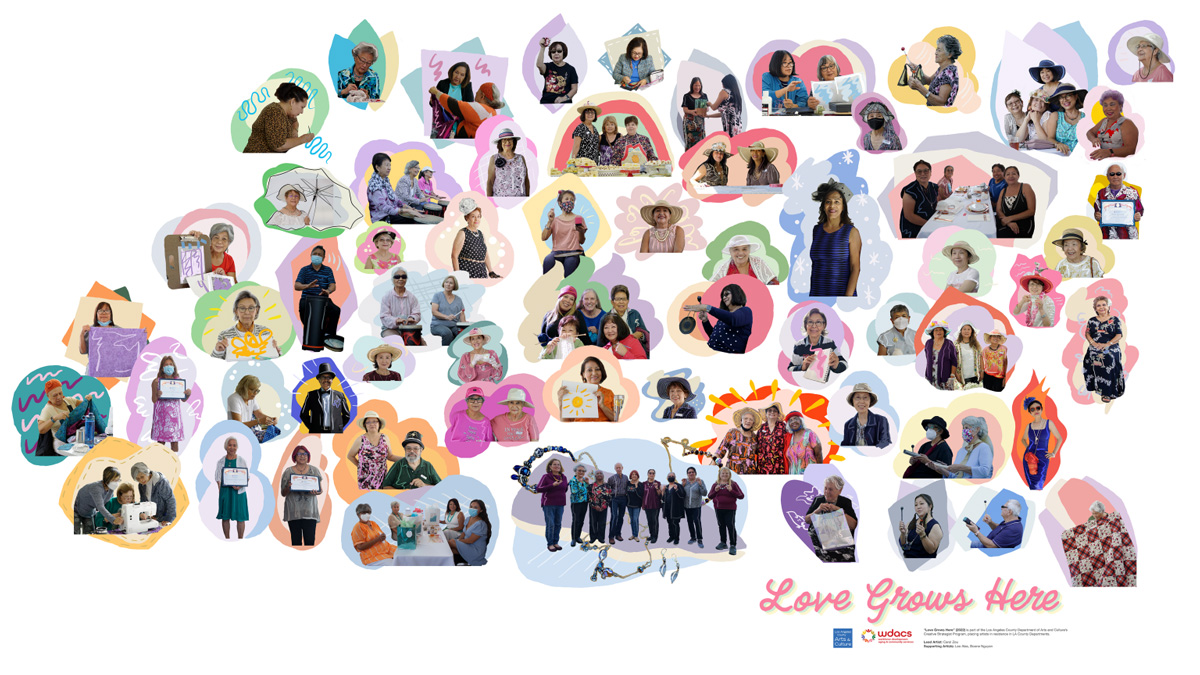
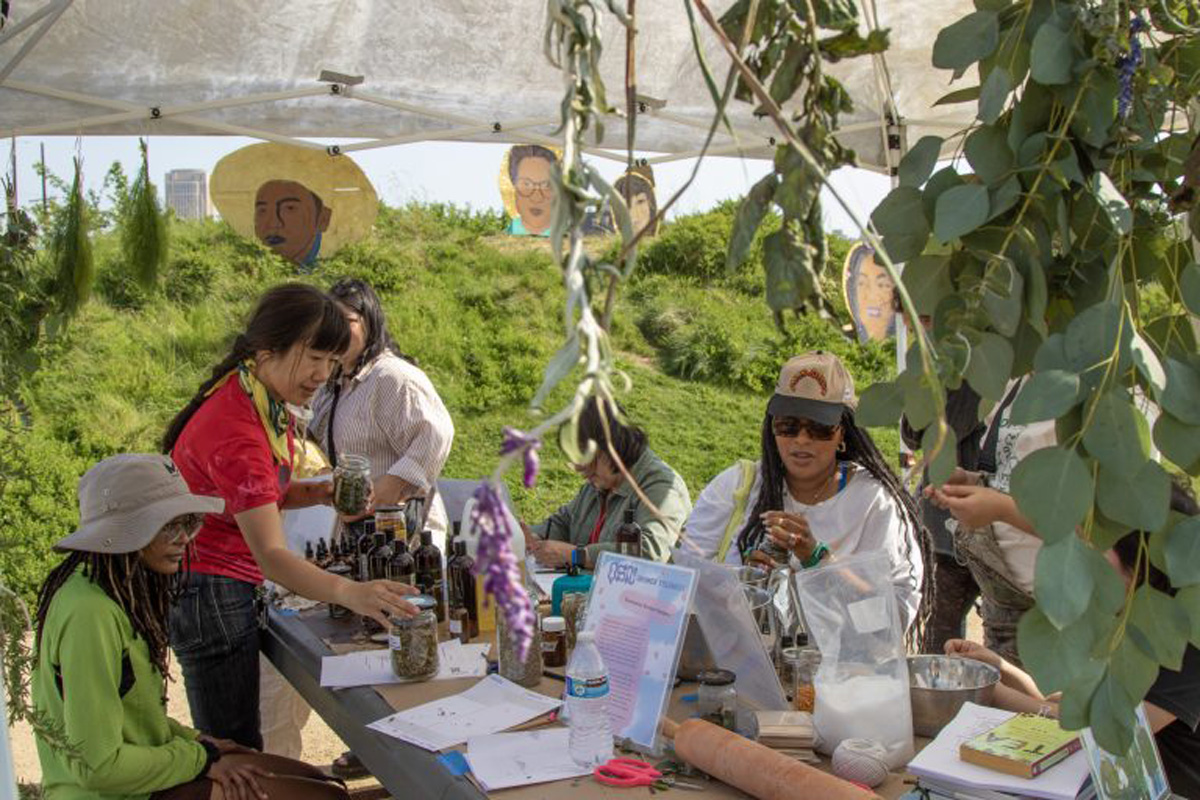
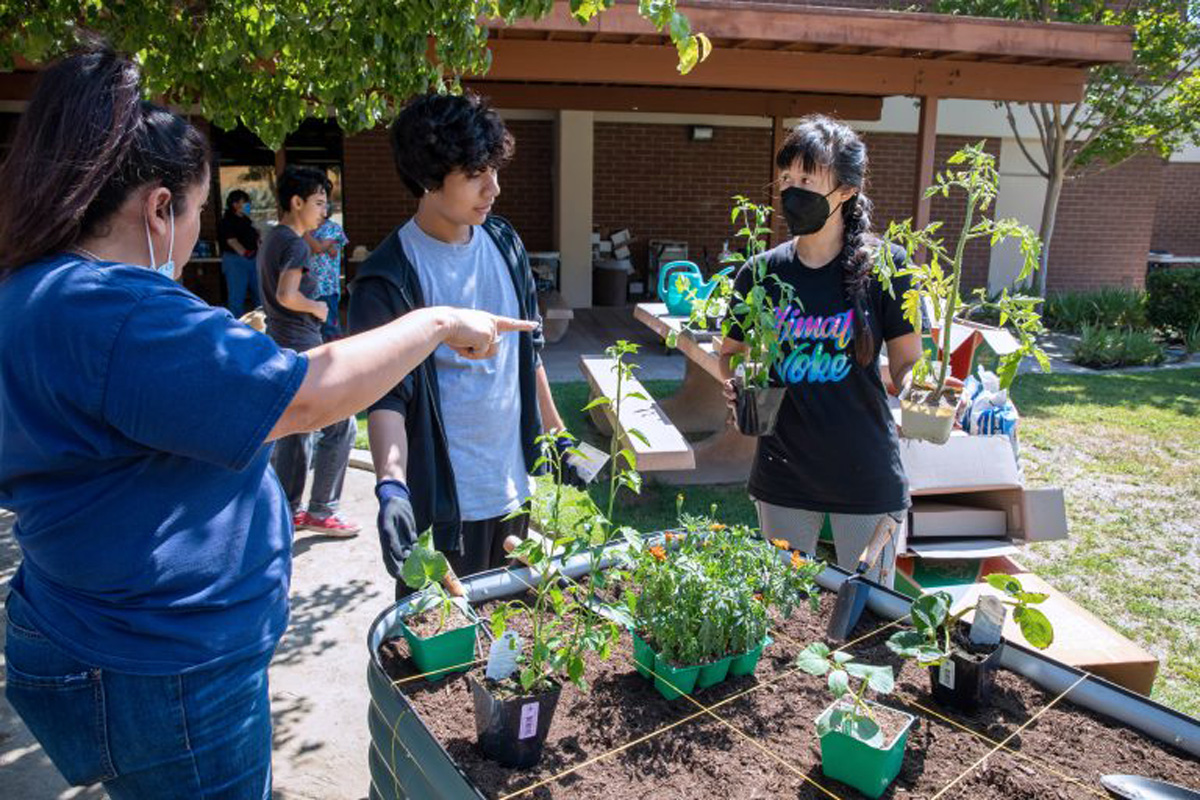
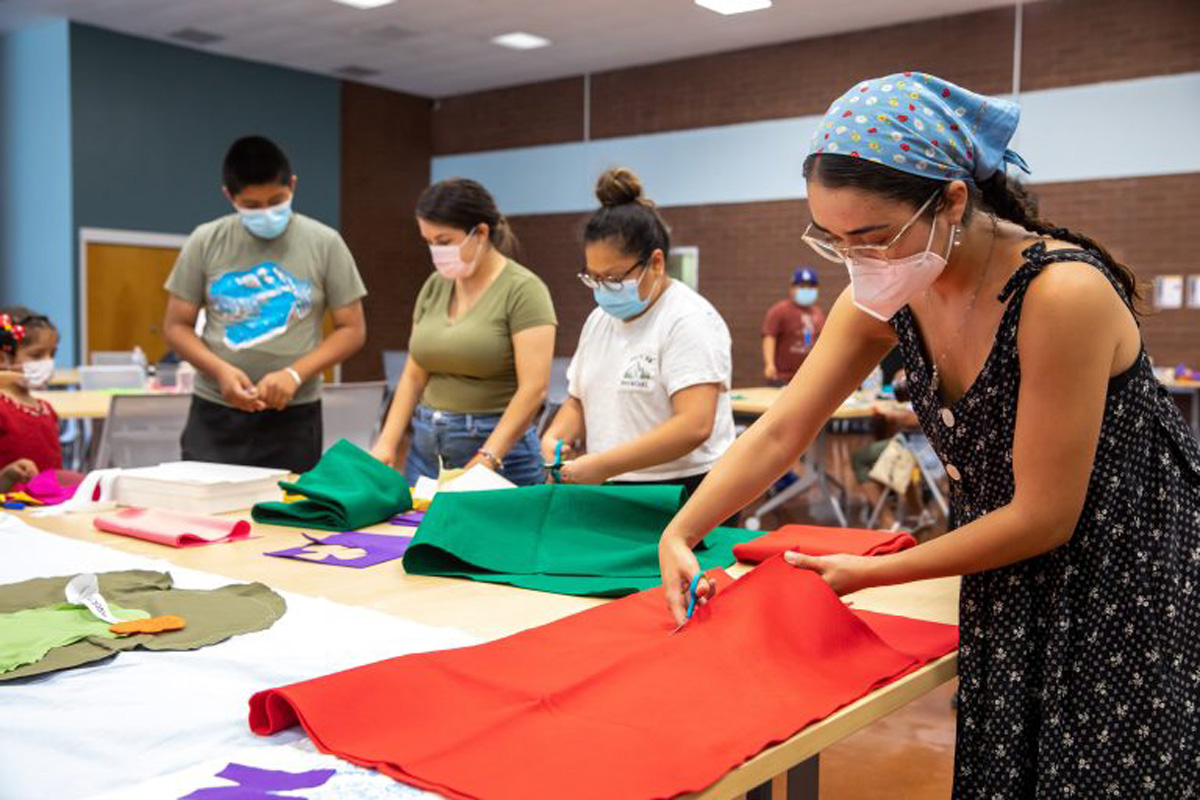
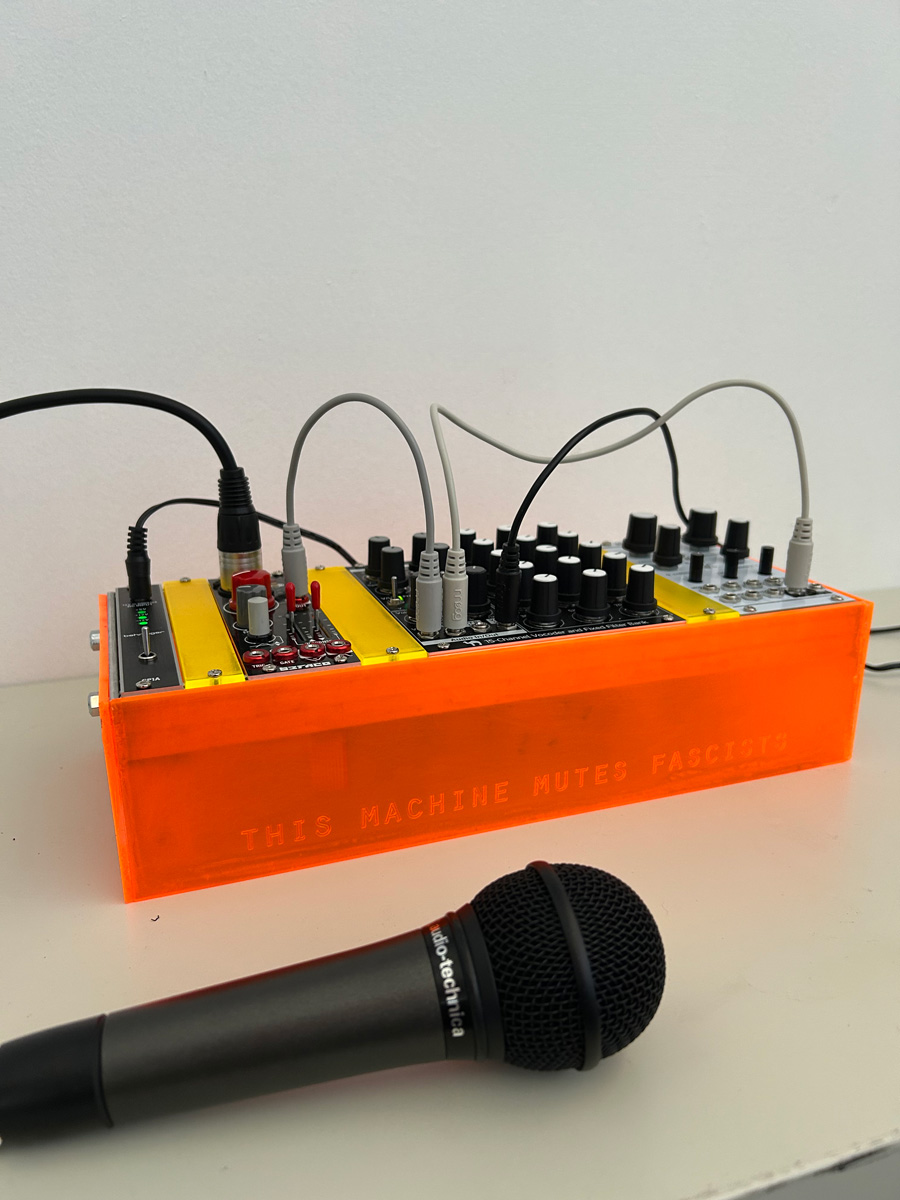

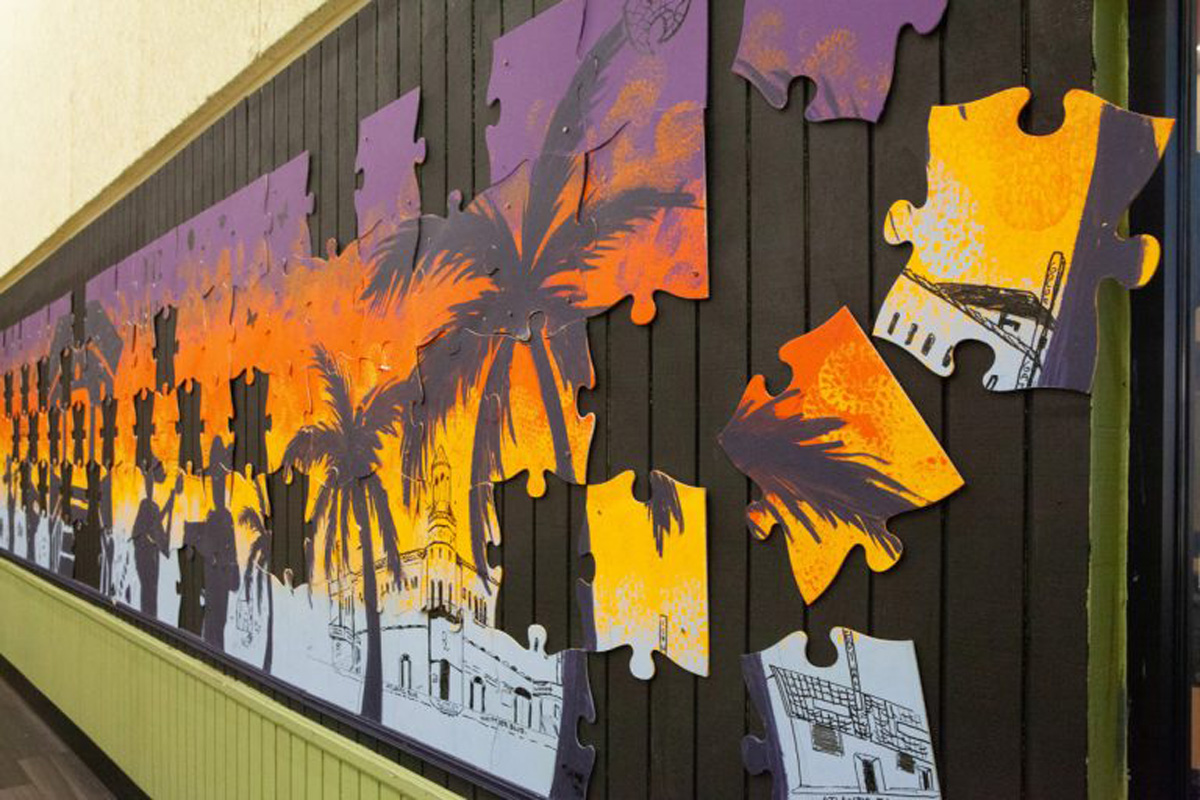
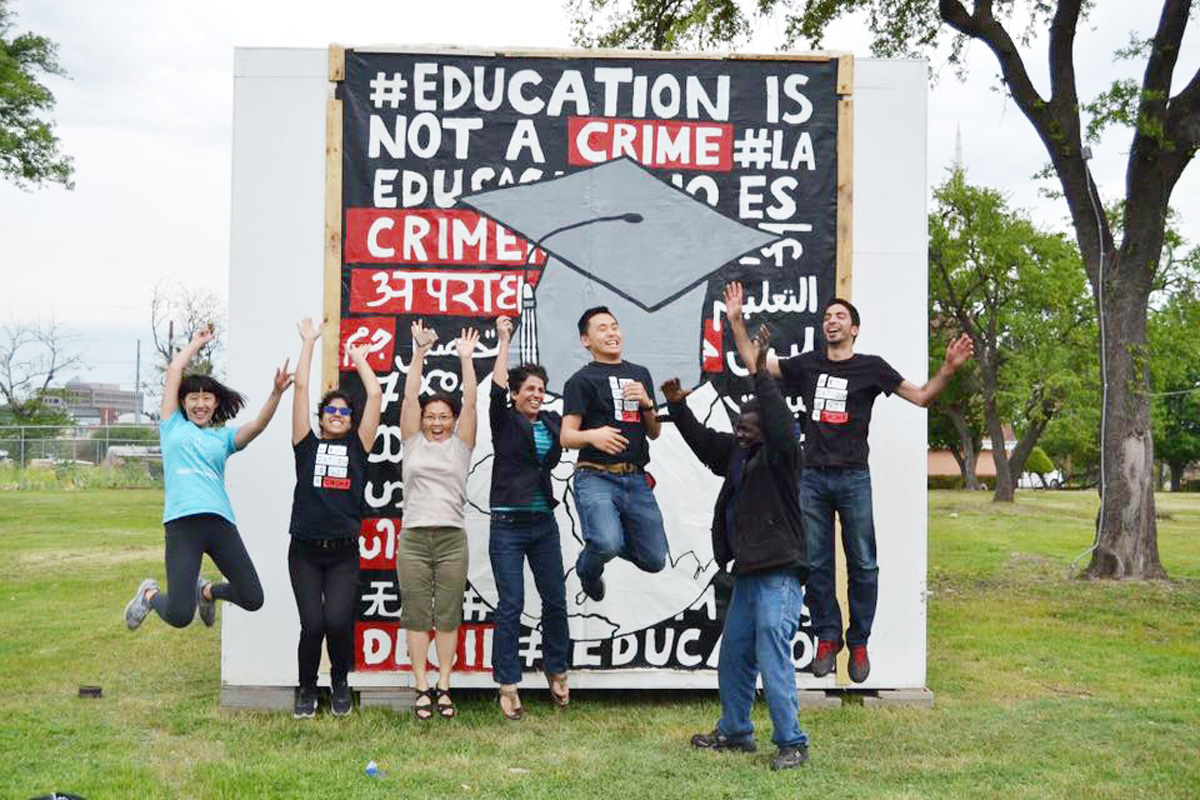
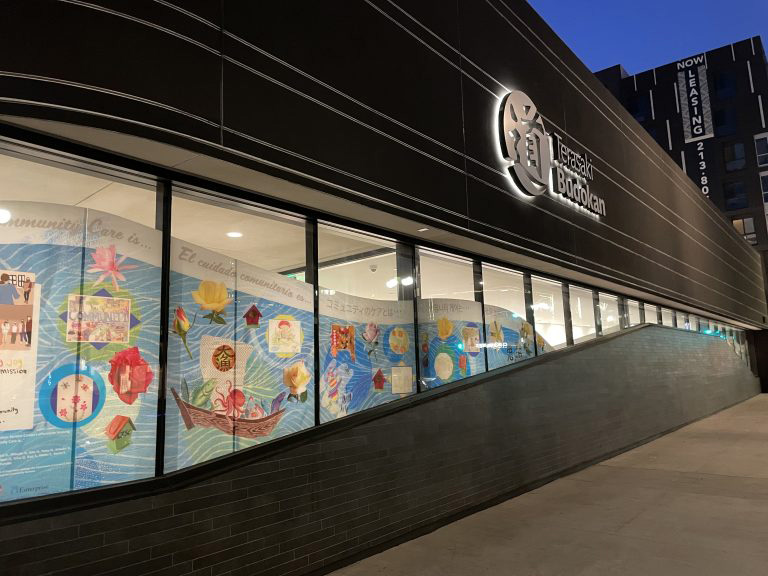
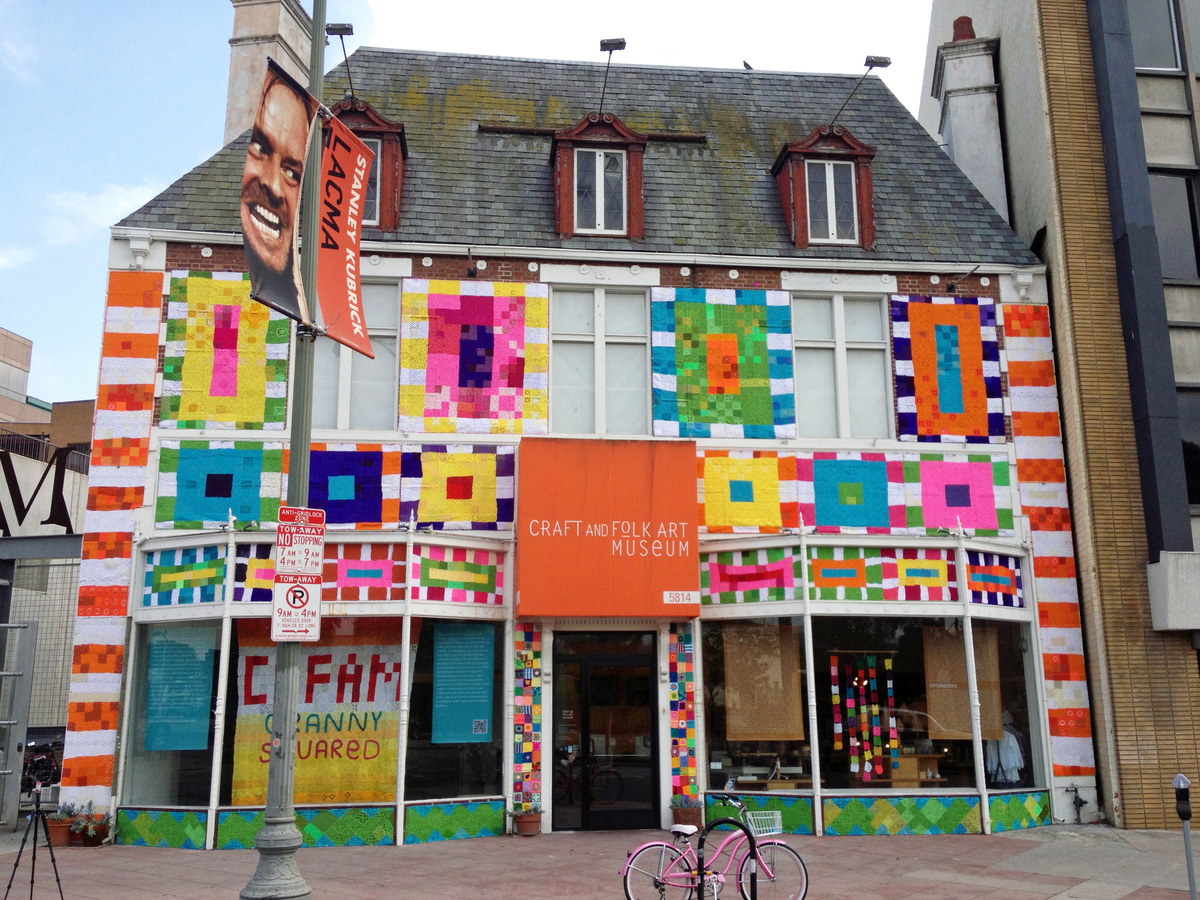
Carol Zou (b. 1988, Hepu, China) is a U.S. based community-engaged artist whose work engages themes of spatial justice, public pedagogy, and intercultural connection in multiracial neighborhoods. They engage durational, process-based collaborations with community contributors using mediums of craft, media arts, and public installation. As a counterpoint to their collaborative work, their writing and conceptual works interrogate questions of conflict and antagonism constitutive of the public sphere. Their style of multi-sector collaboration gestures to an interdisciplinary, liberatory future in which we are all hopefully a little more undisciplined. Current and past affiliations include: Yarn Bombing Los Angeles, Michelada Think Tank, Trans.lation Vickery Meadow, Project Row Houses with the University of Houston, Asian Arts Initiative, American Monument, Imagining America, US Department of Arts and Culture, Spa Embassy, Enterprise Community Partners with Little Tokyo Service Center, Los Angeles County Department of Arts and Culture, and The Hive.
Eva Aguila
she/her
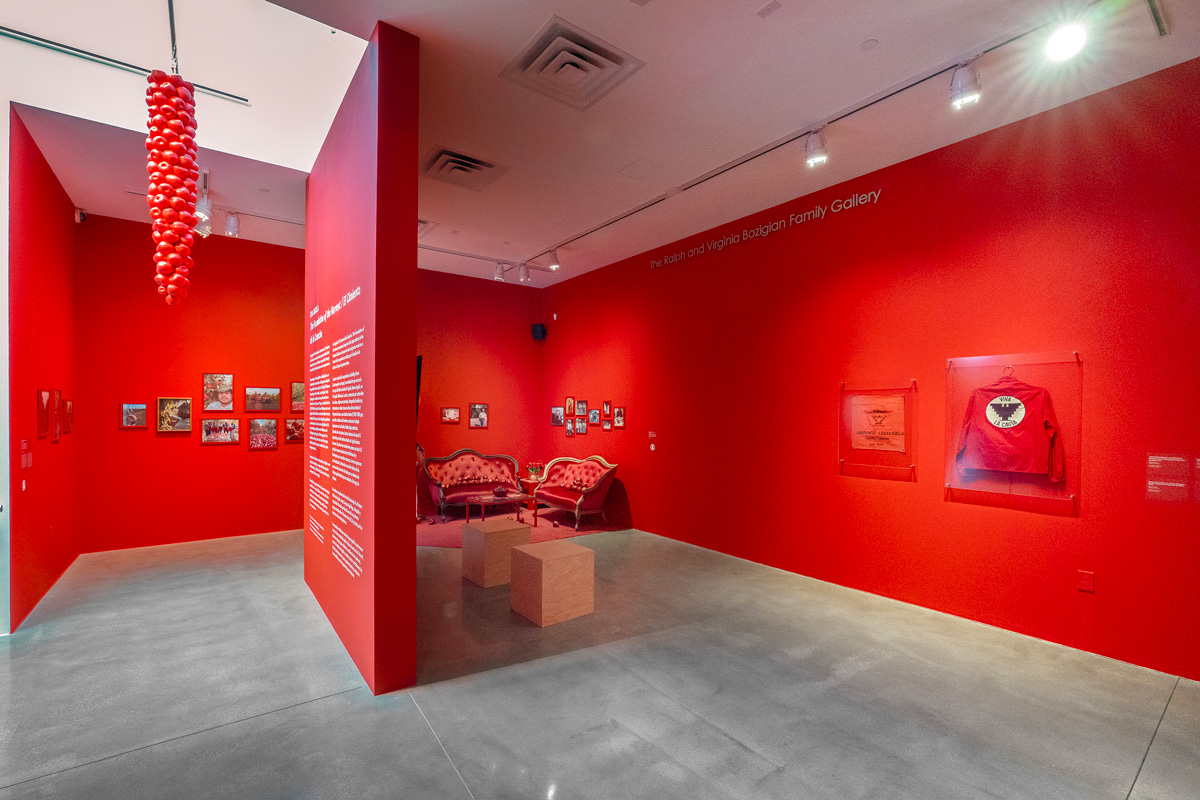
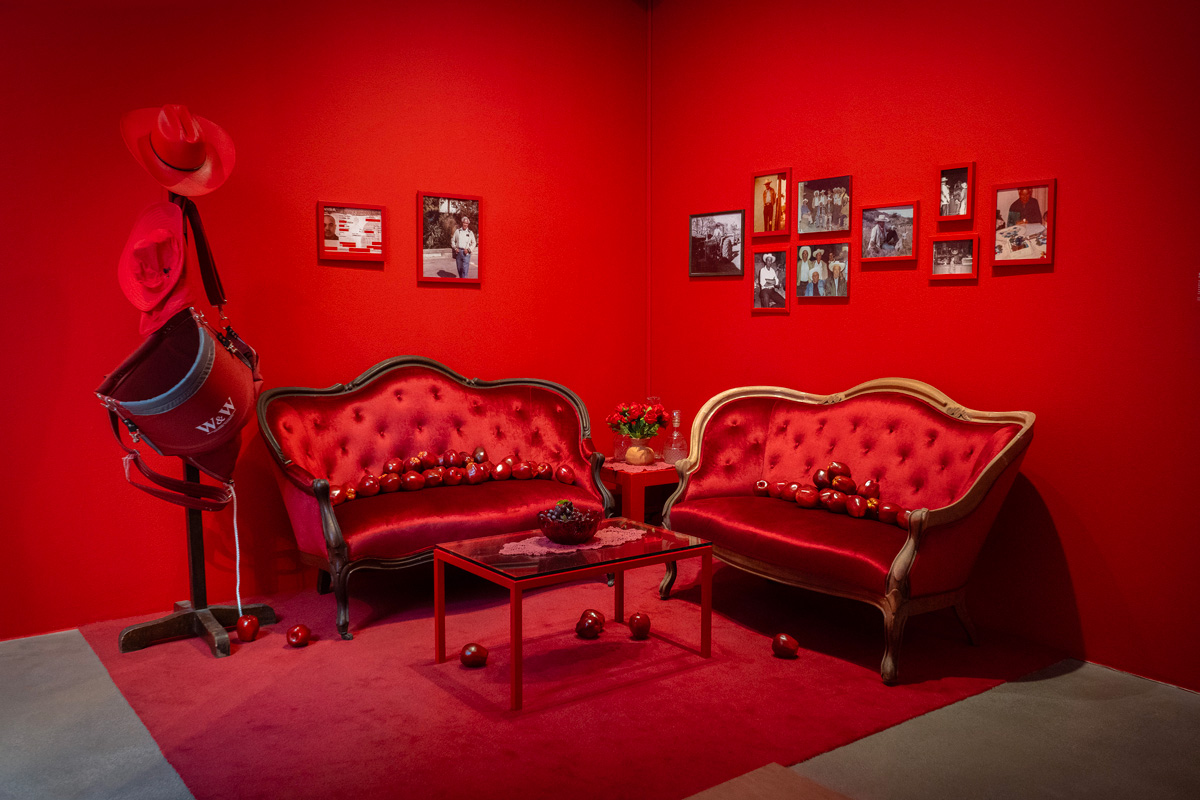
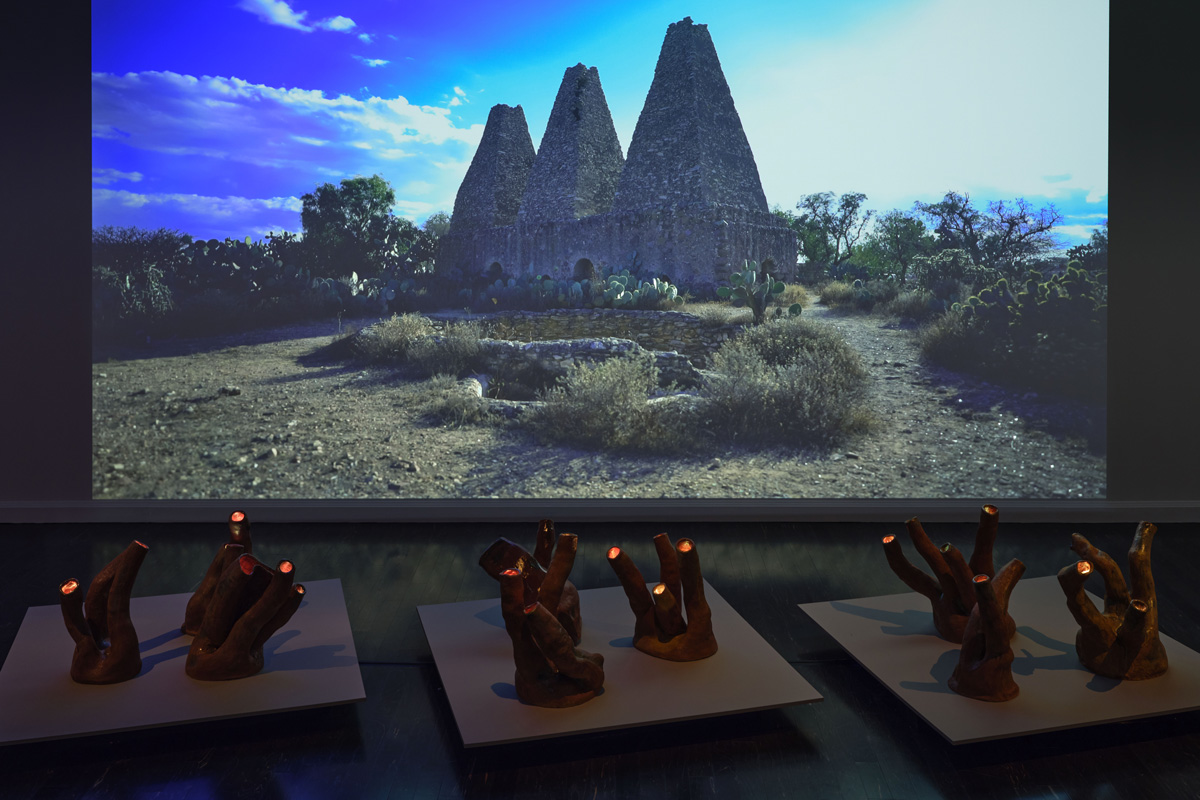
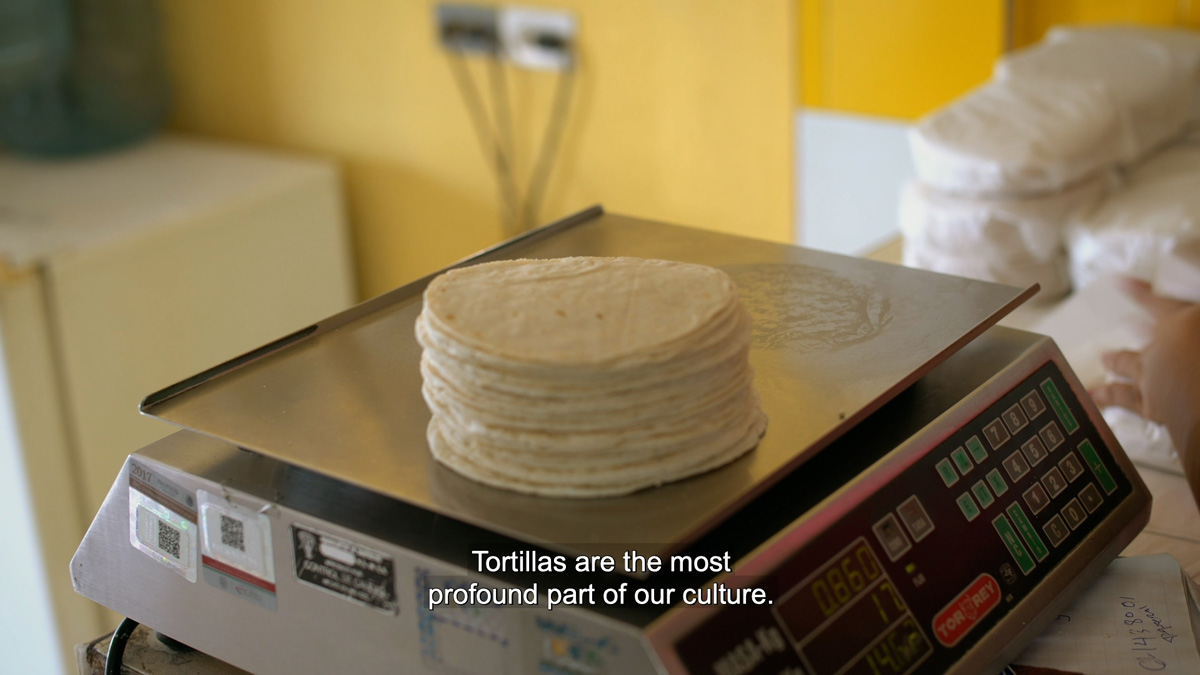
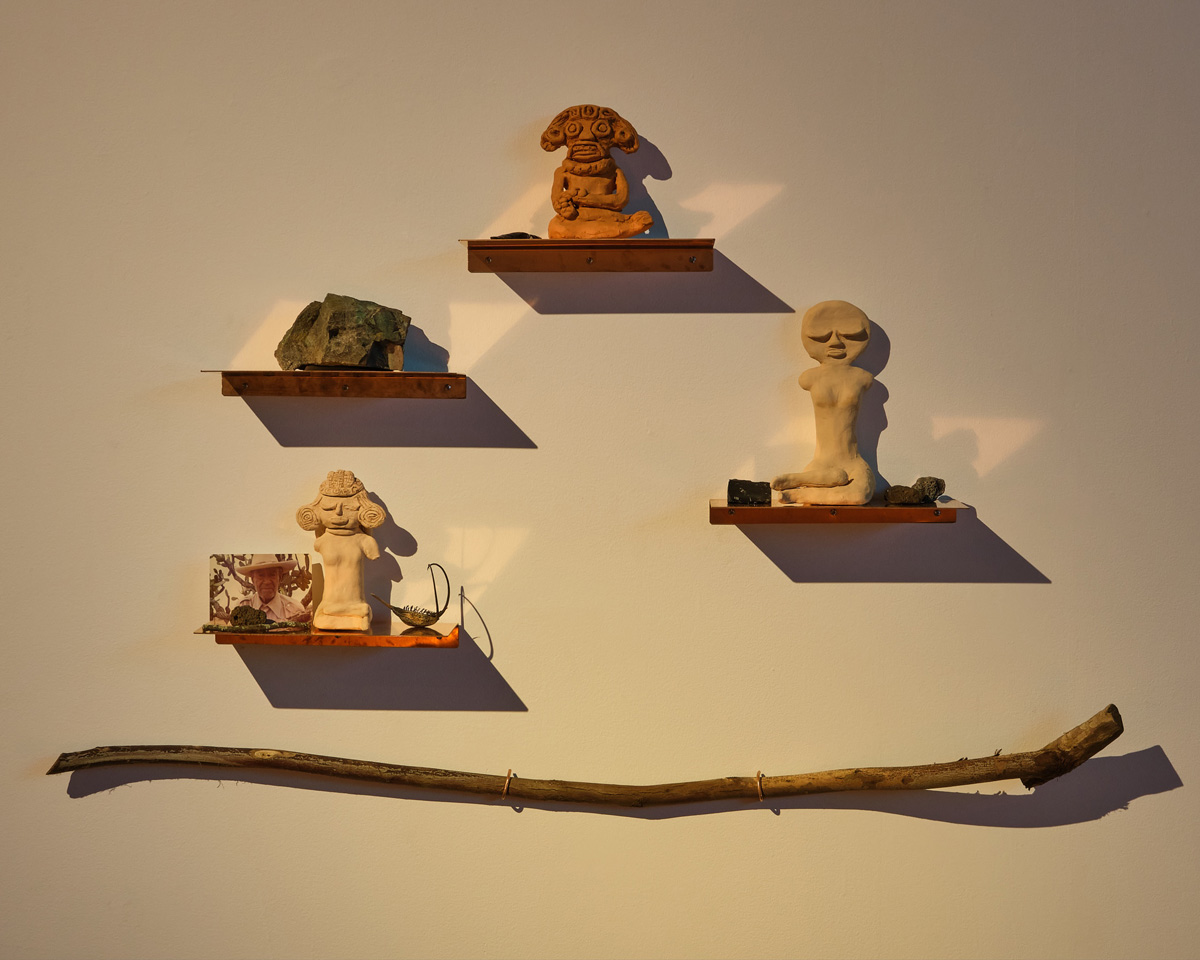
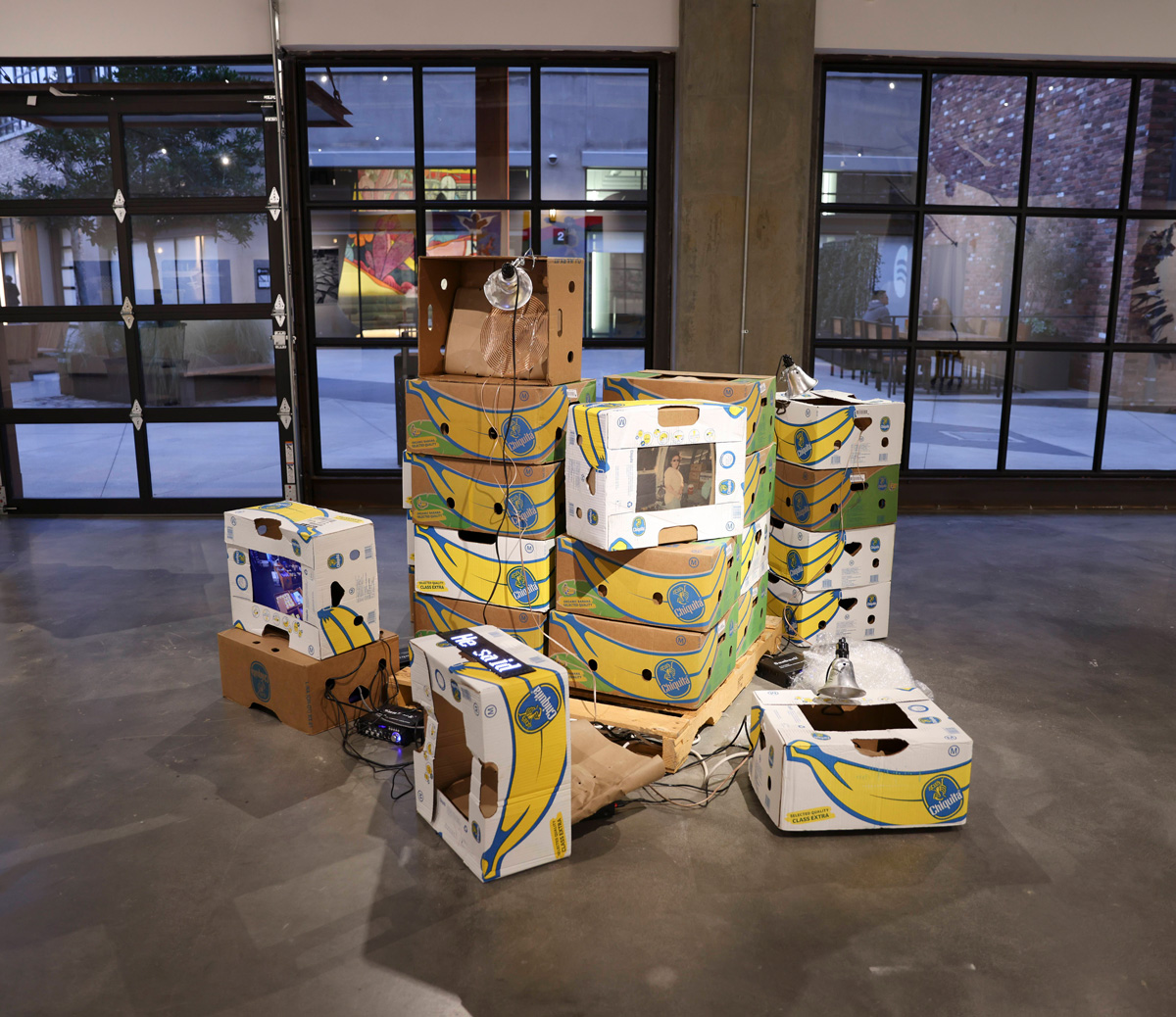
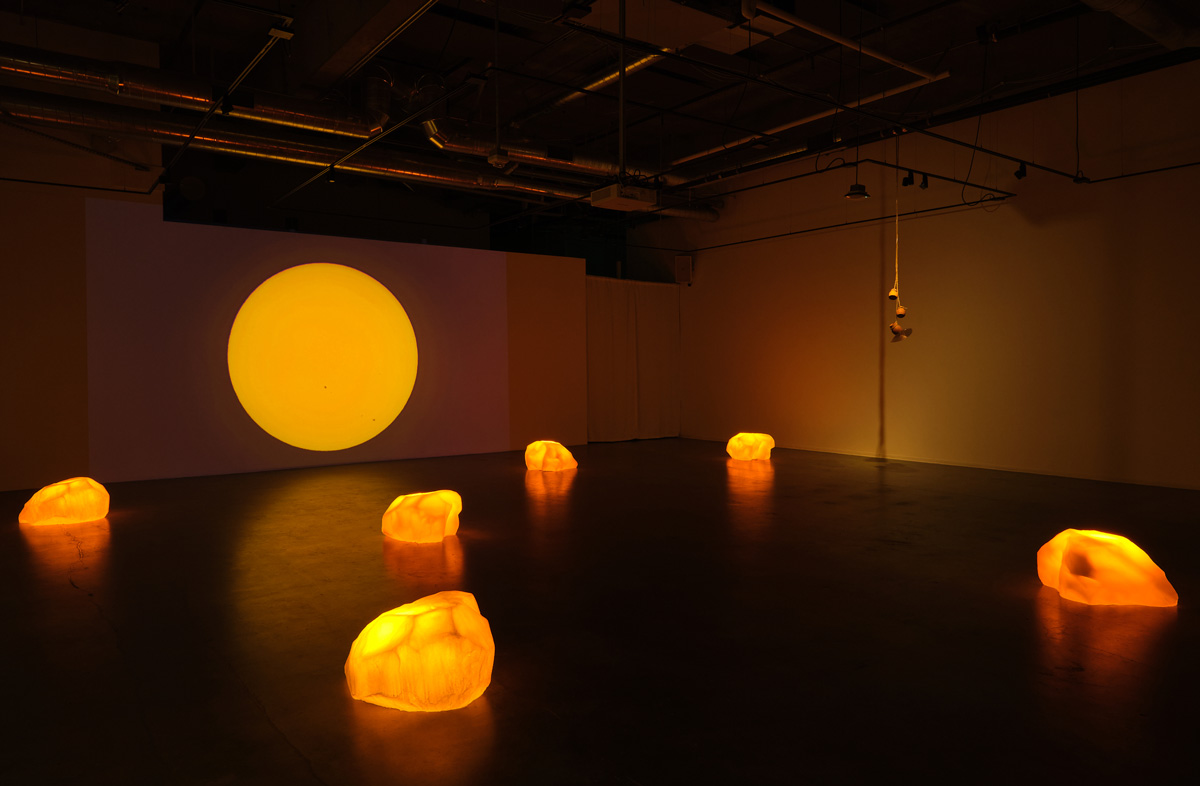
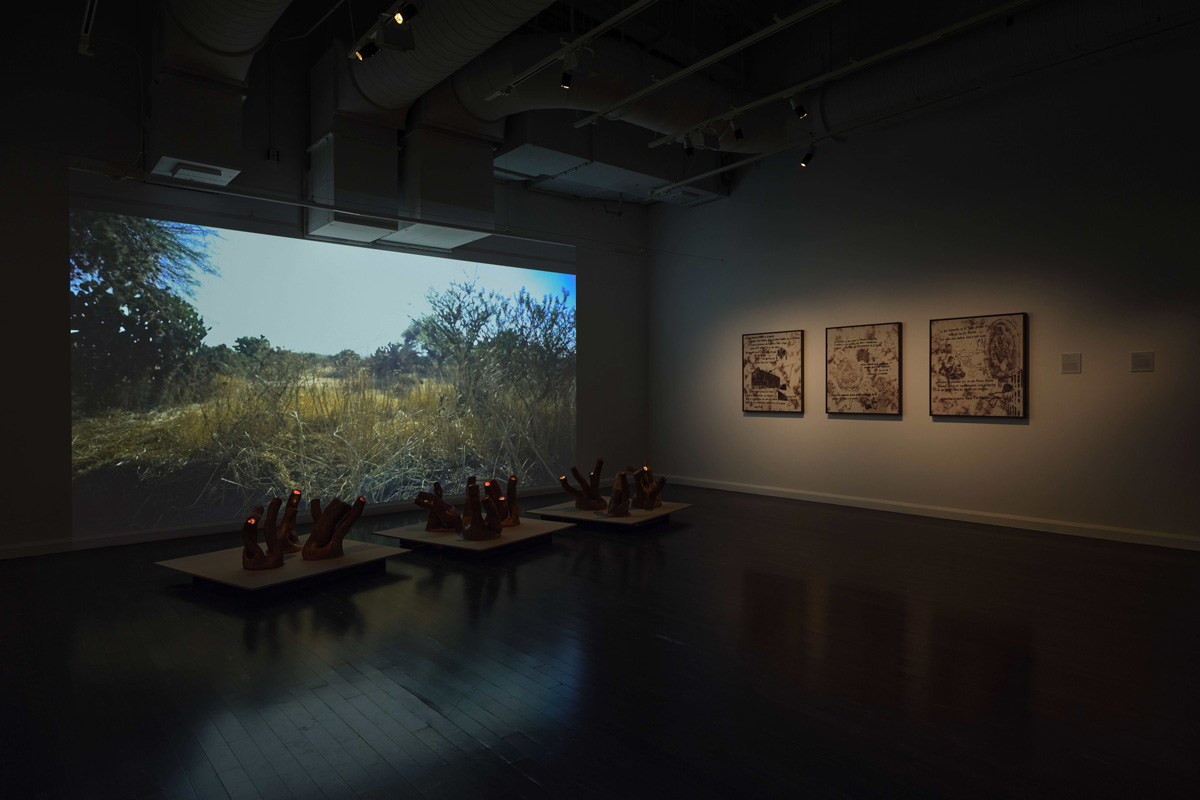
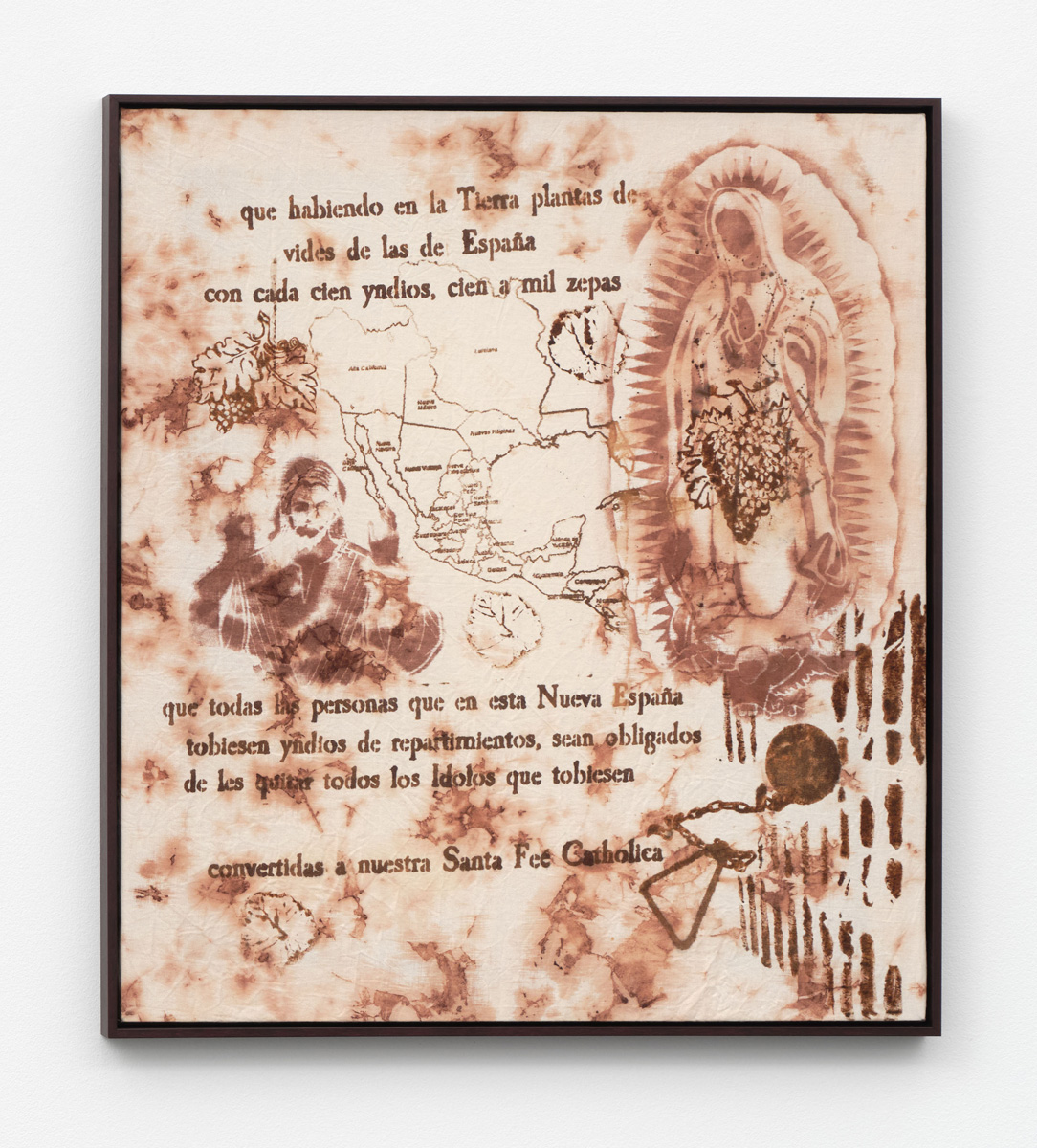
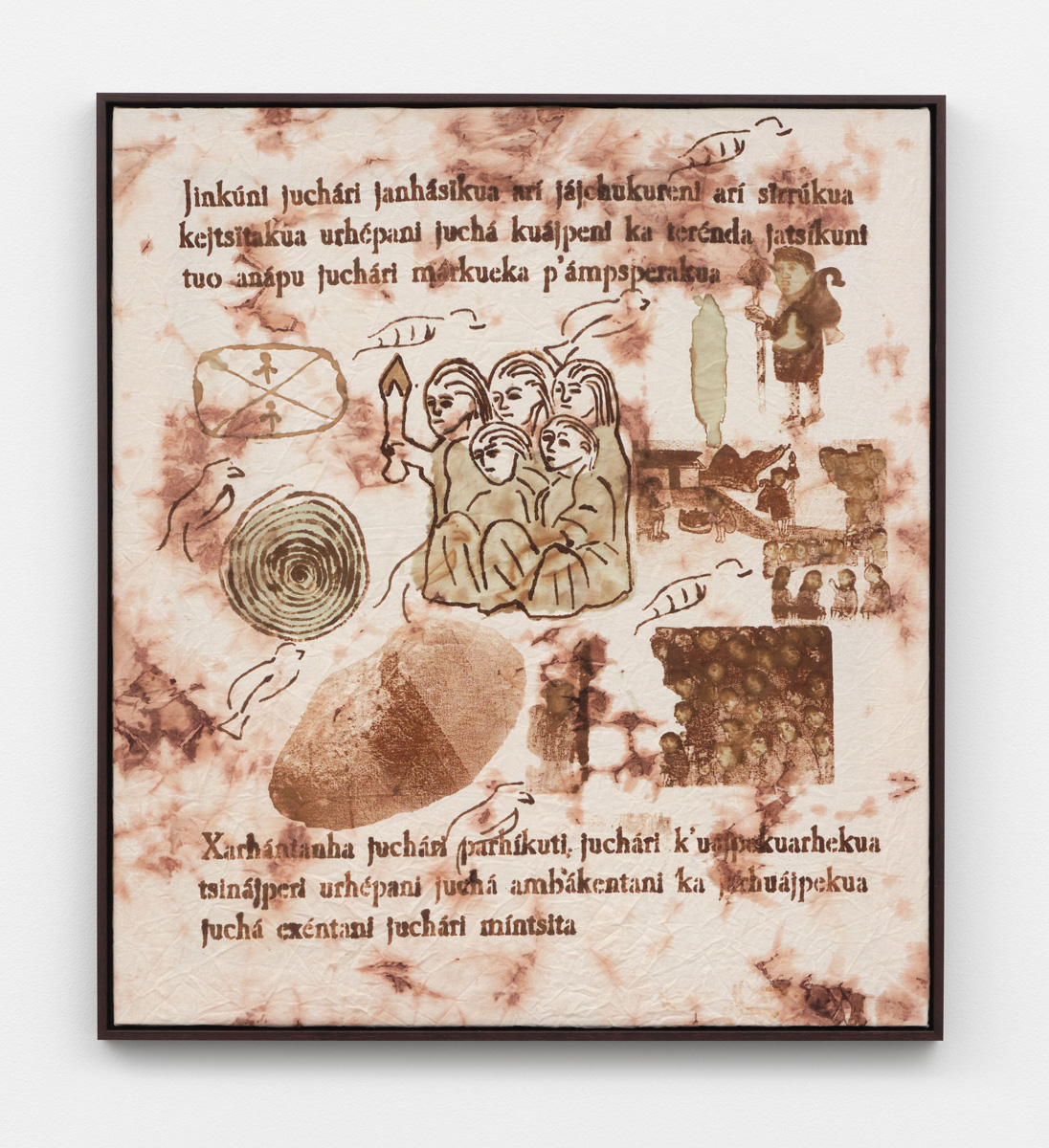
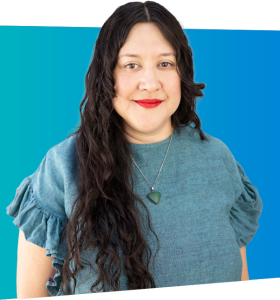
Eva Aguila is a Mexican American interdisciplinary artist whose work examines the complexities of diasporic identity through video, sound, and installation. Born in Los Angeles as a first-generation American, Aguila centers her practice on oral histories of the Mexican diaspora, particularly drawing from her ancestral communities in rural Michoacán. Her research-driven work engages with personal archives and the materiality of memory, examining the in-betweenness of the Latiné experience. Inspired by ephemerality and Indigenous Futurism, Aguila uses time-based media to construct alternative histories and reimagine cultural narratives of the diaspora. Her practice challenges dominant portrayals while honoring the lived experiences and stories of her community. She has exhibited and performed locally in Los Angeles at the Lancaster Museum of Art and History; the Vincent Price Art Museum; SUR:biennial; CURRENT:LA FOOD; Human Resources, and internationally in Mexico, Europe, Asia, and Australia. Beyond her studio practice, Aguila is the founder of Coaxial Arts Foundation, an artist-run nonprofit supporting experimental sound, video, and performance art. Aguila holds an MFA in Art from Roski School of Art and Design at the University of Southern California and a BFA in Theater from School of Theater and Design at California Institute of the Arts.
Kimberly Robertson
she/her/hers
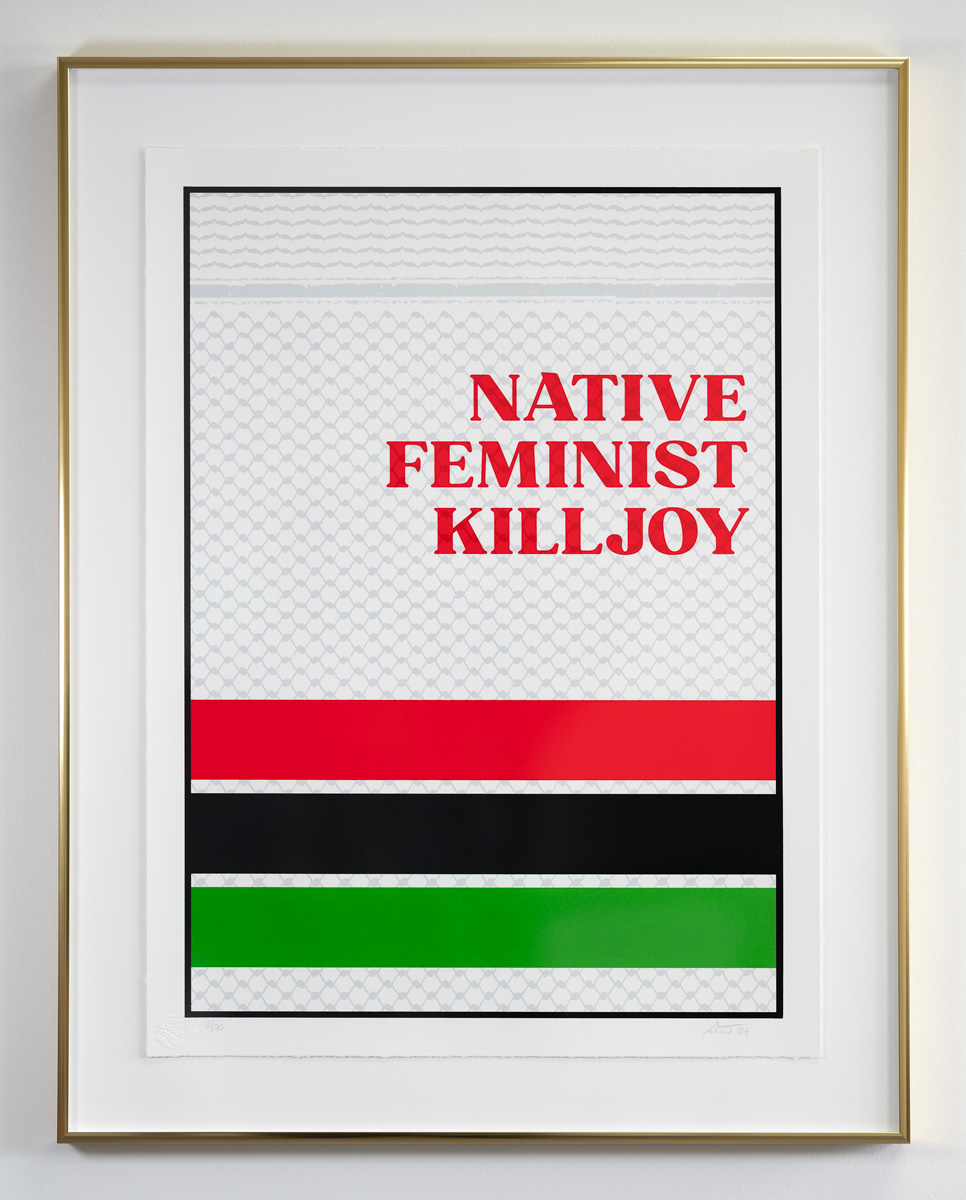
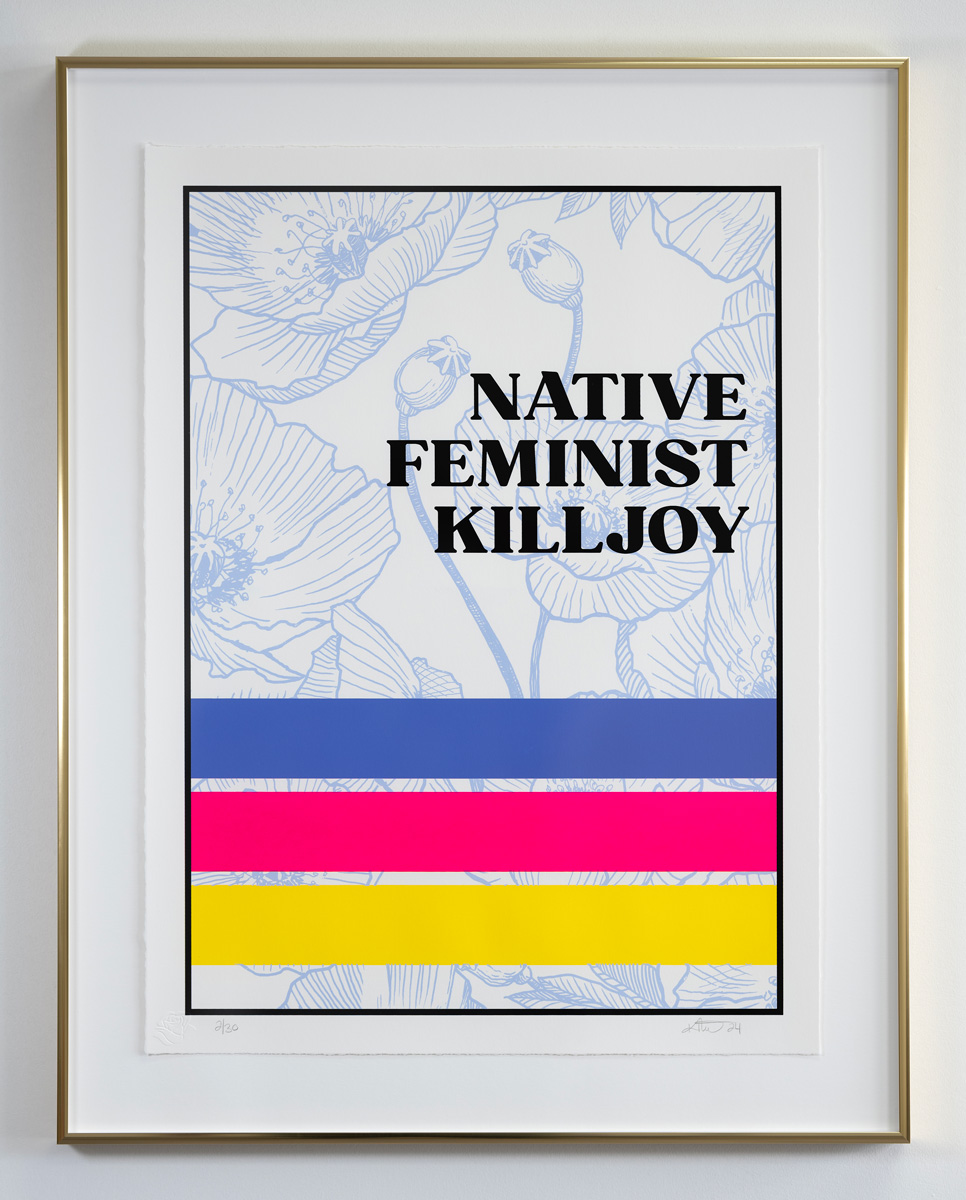
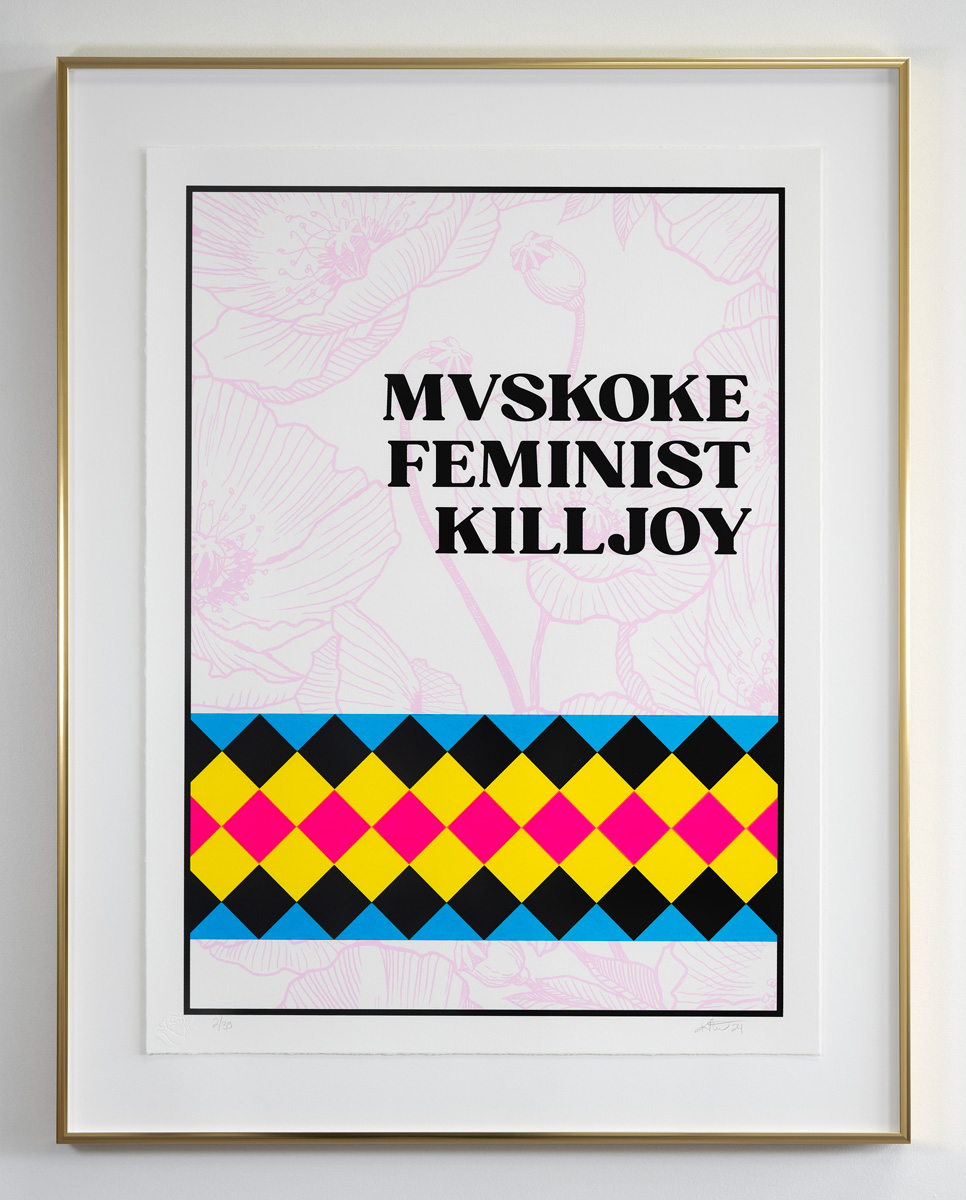
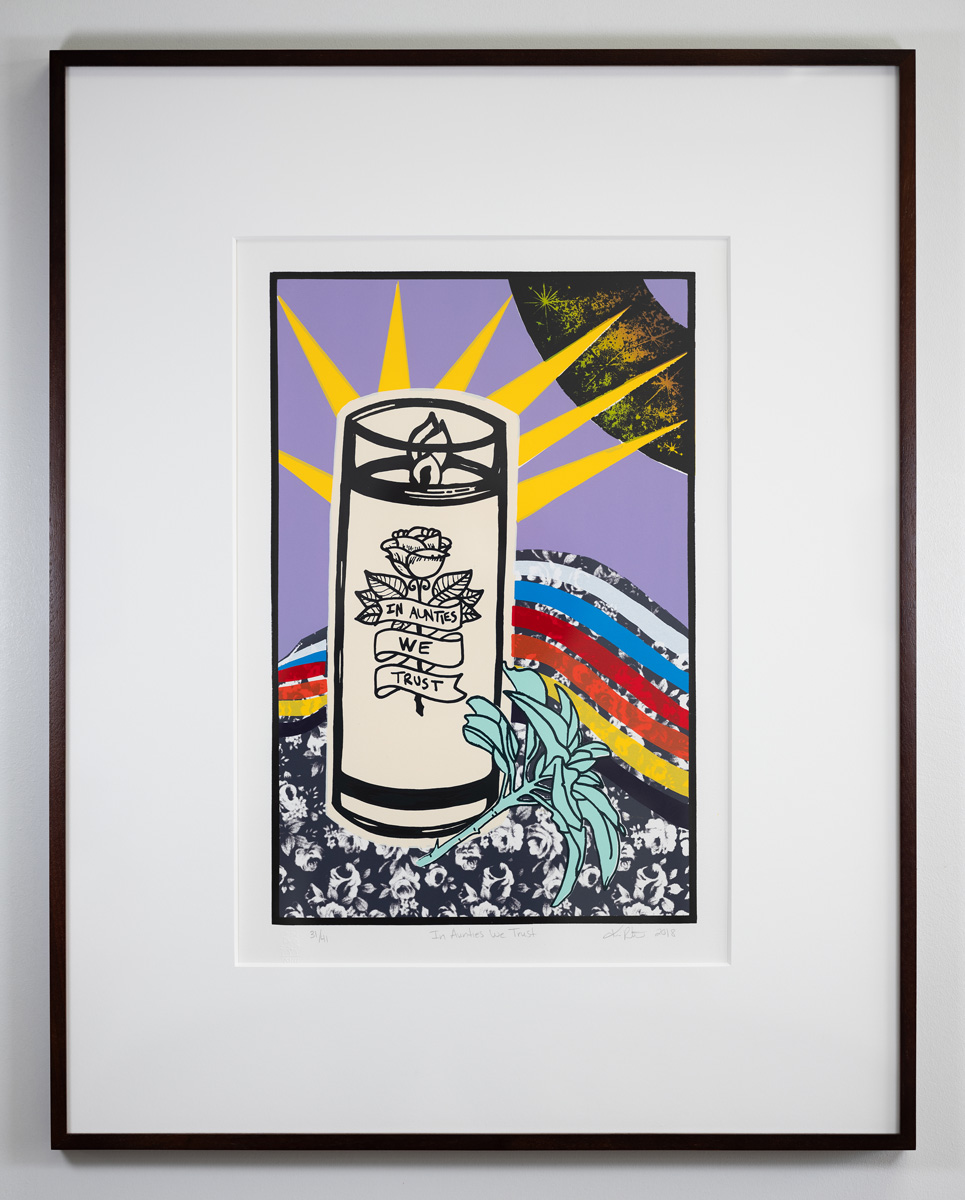
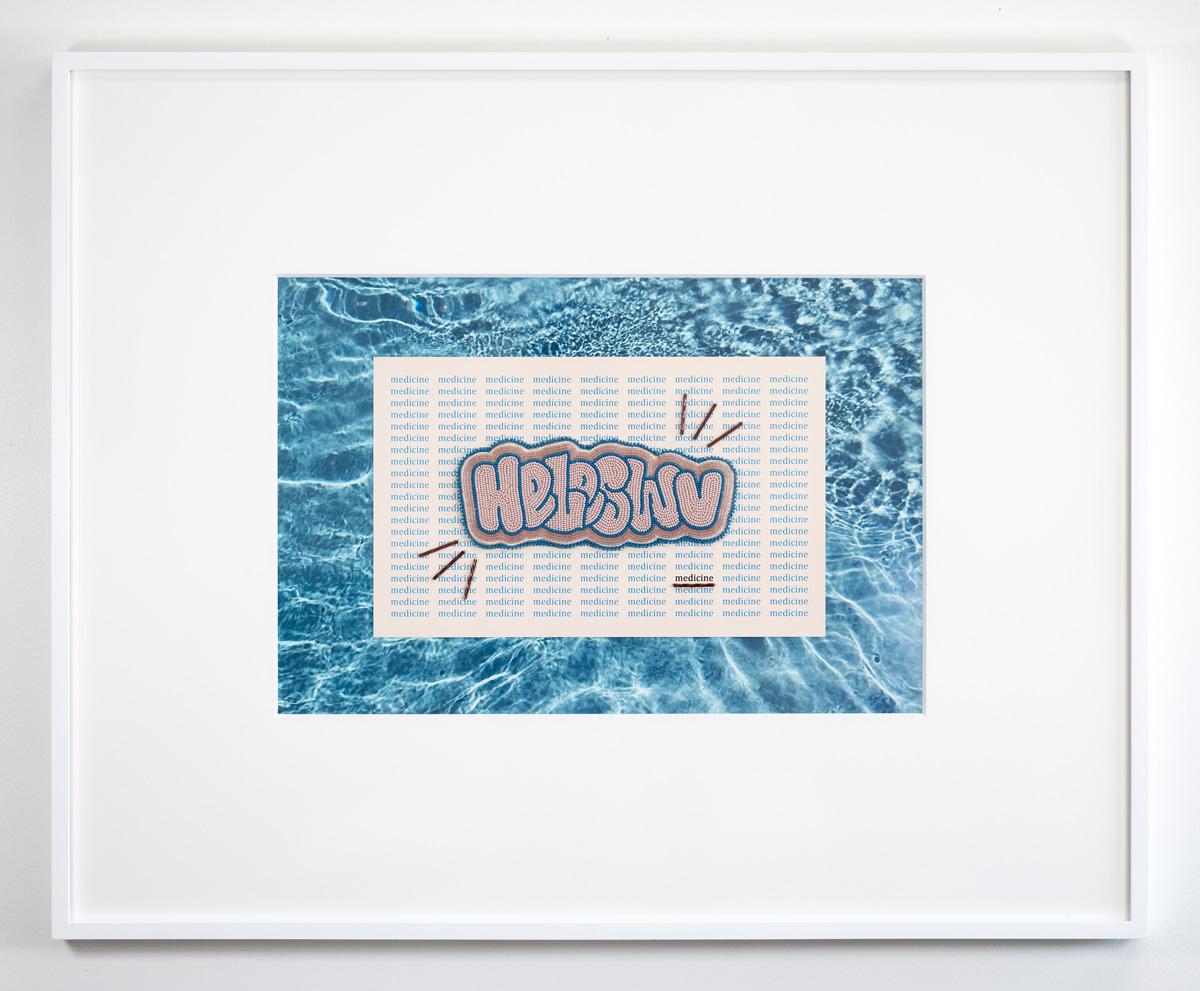
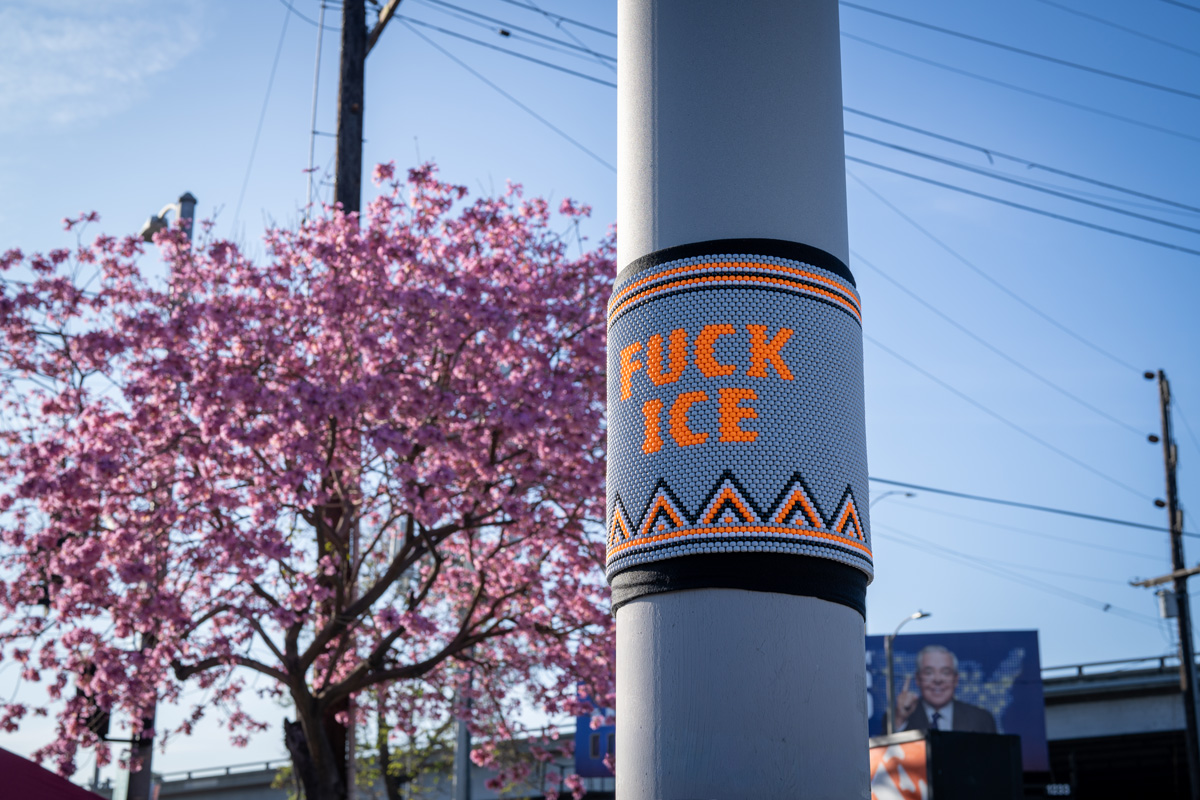
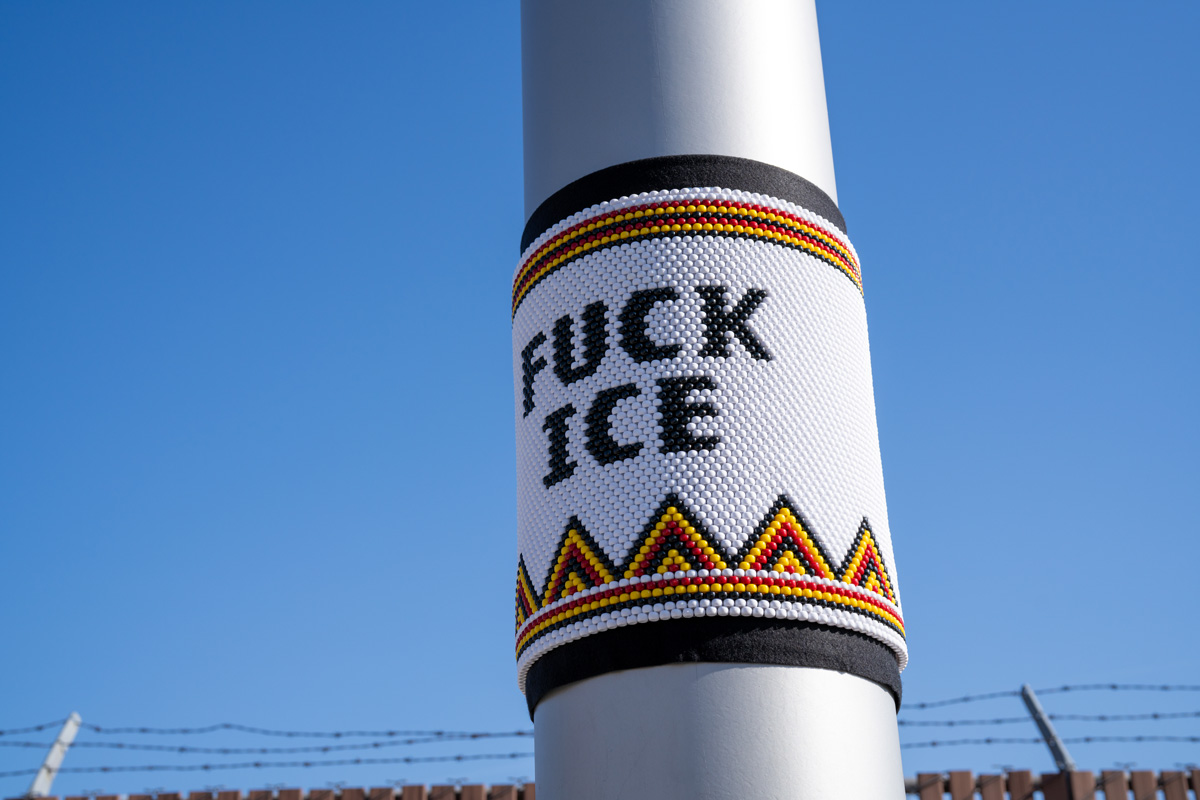
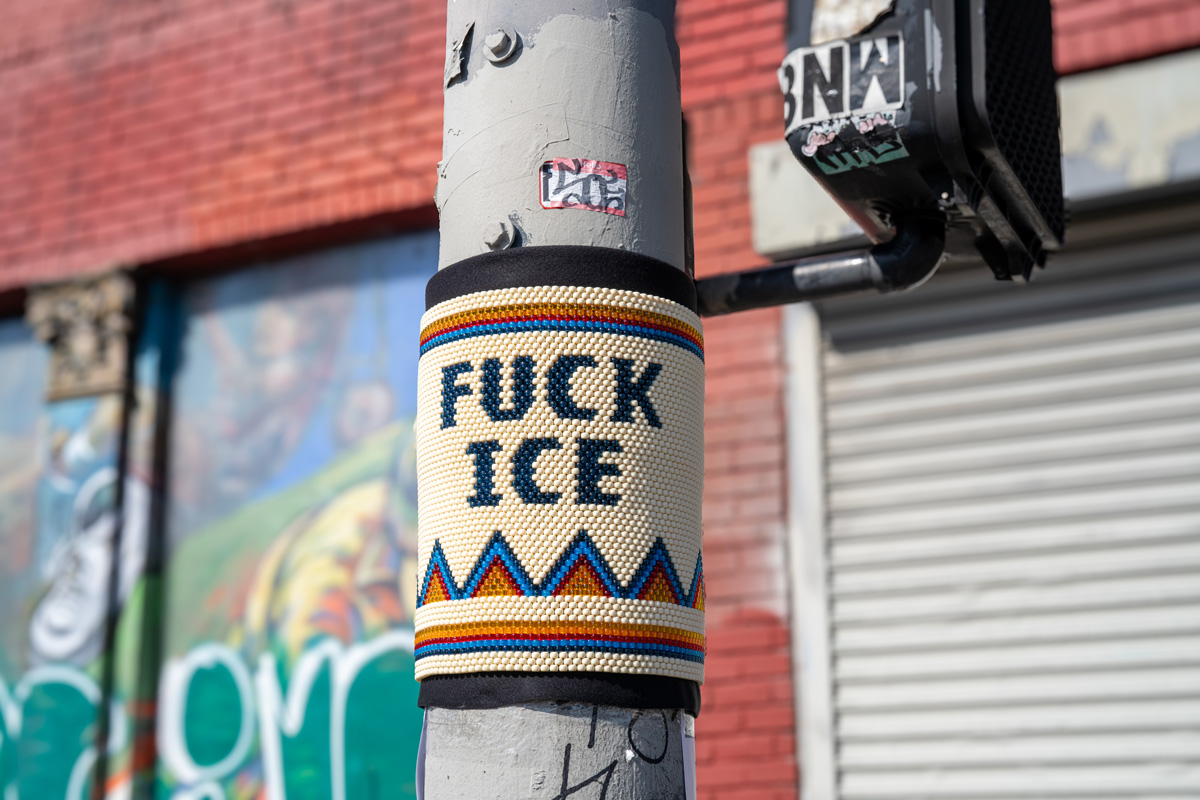
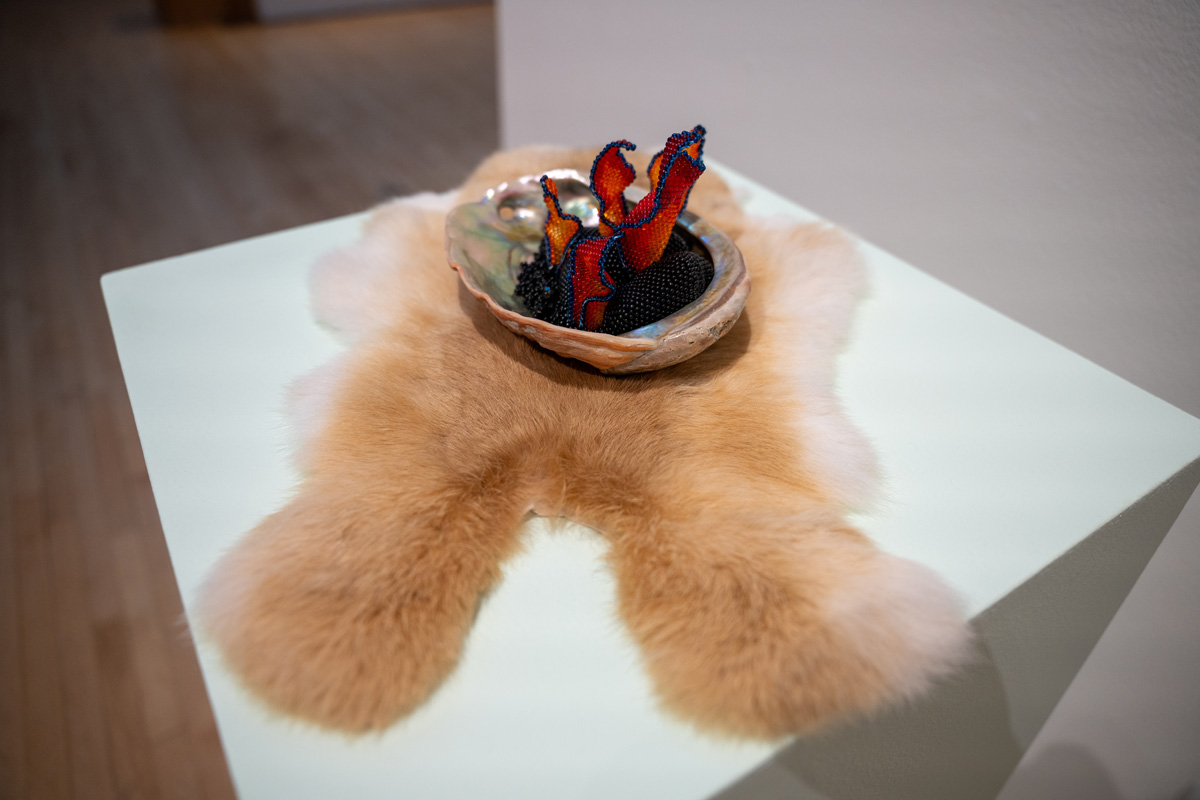
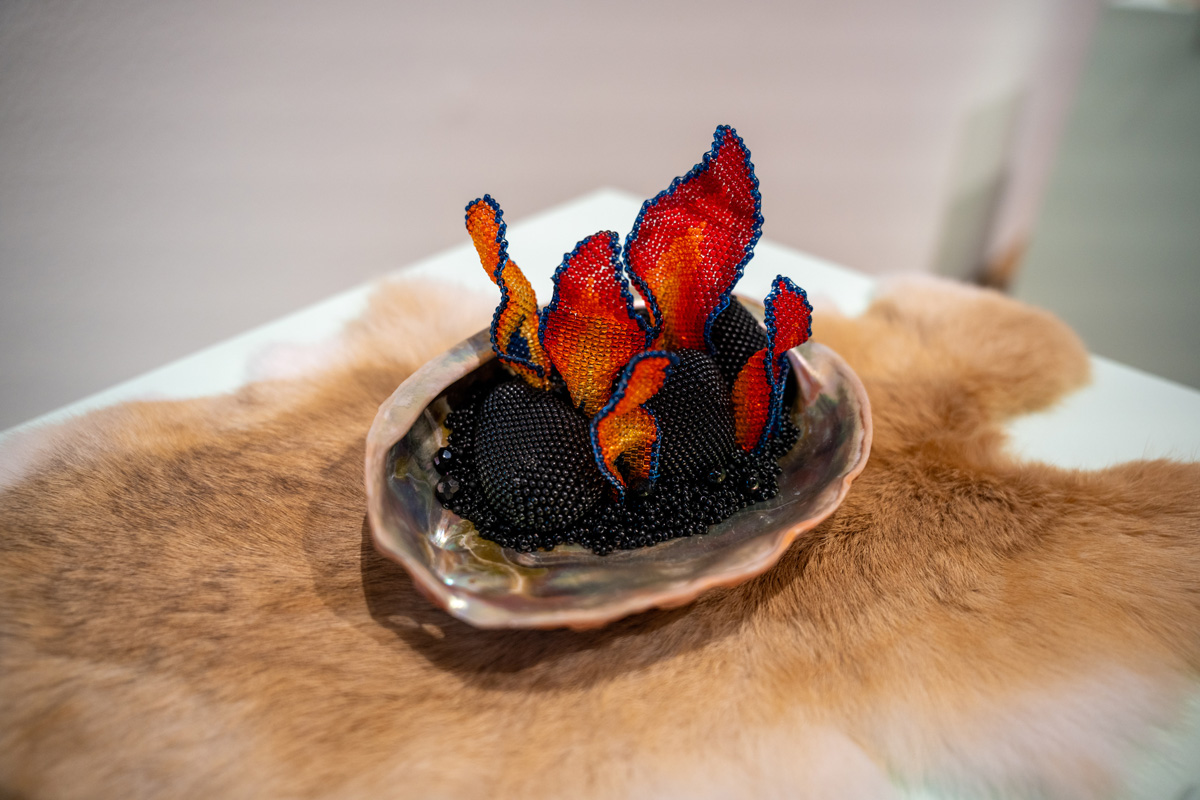
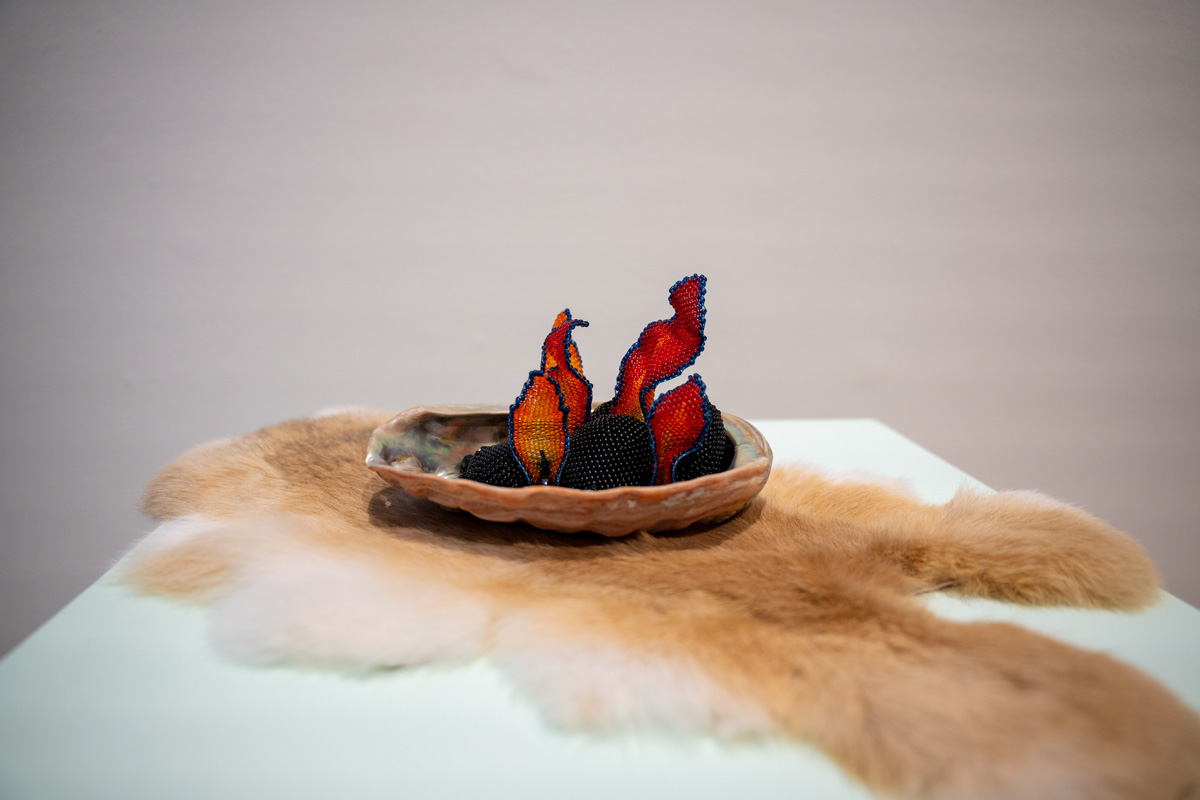
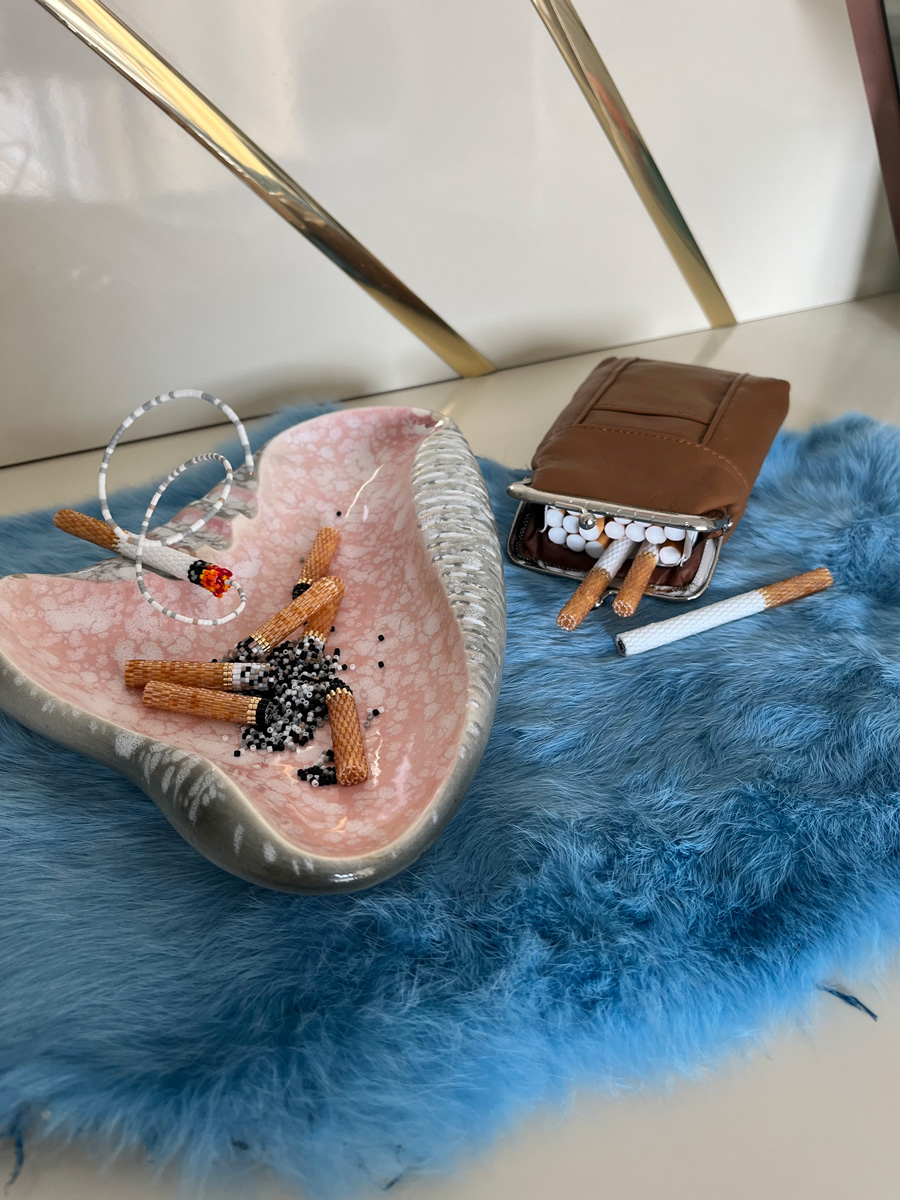
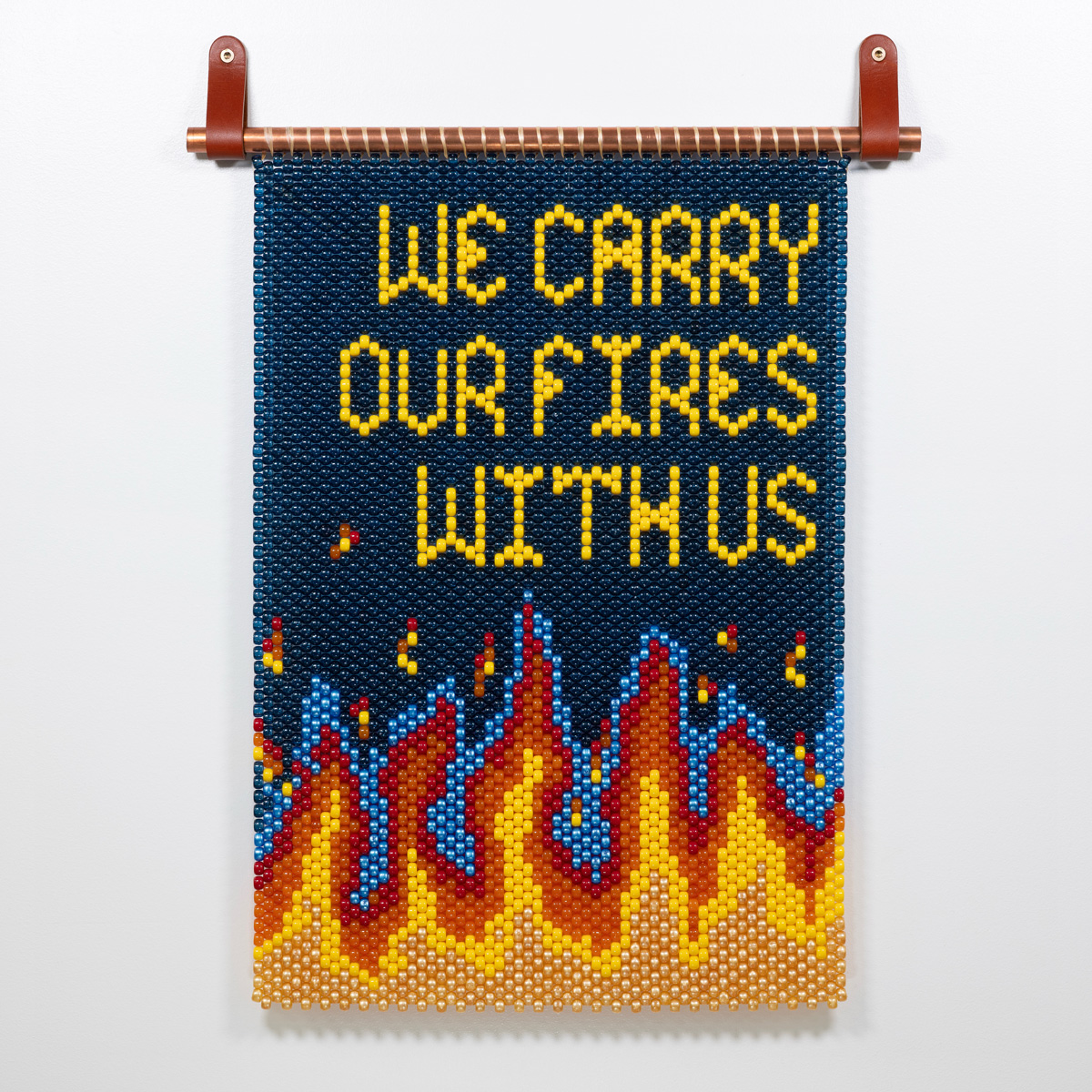
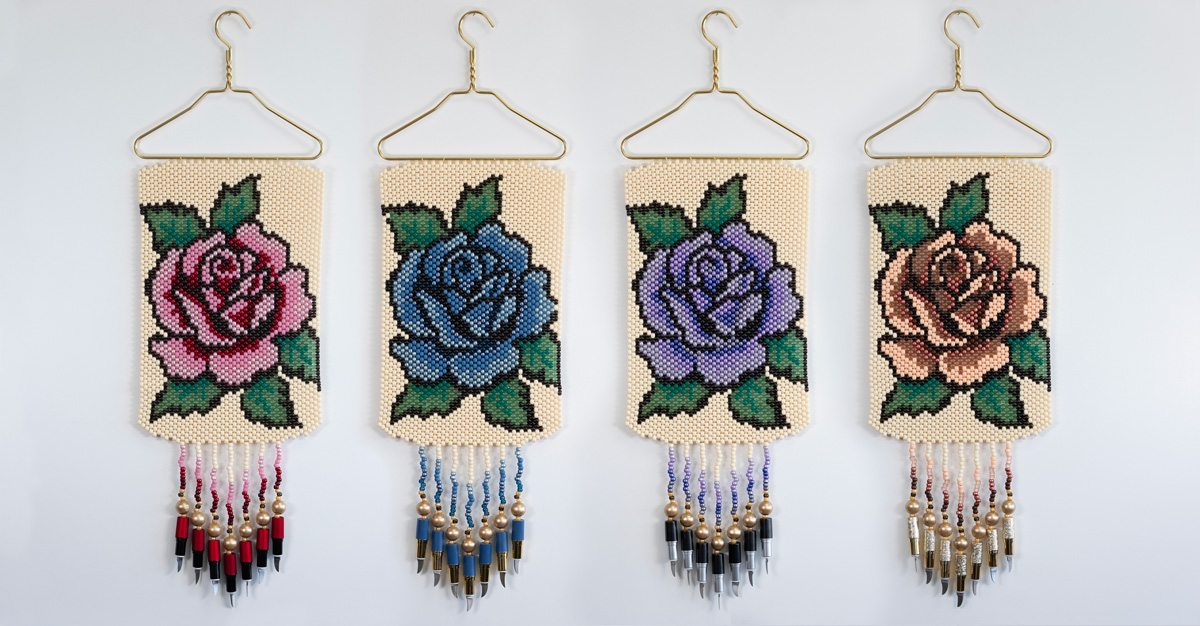
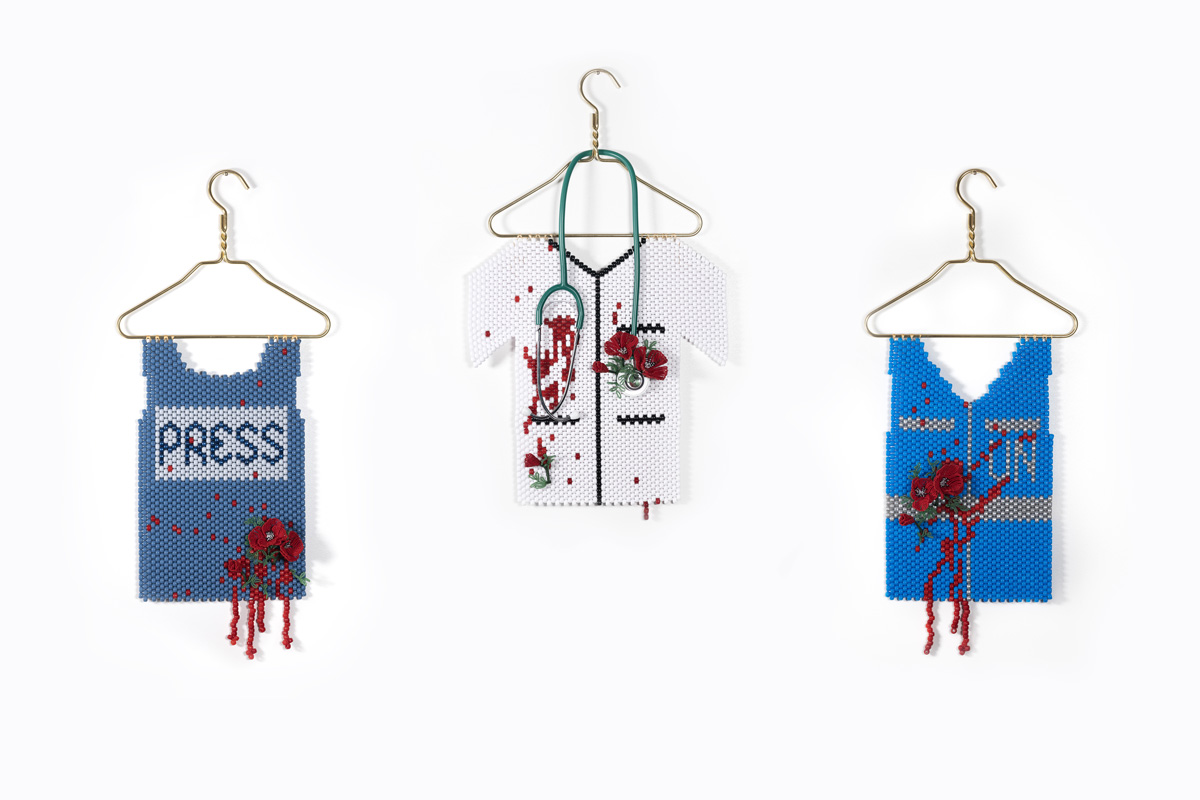
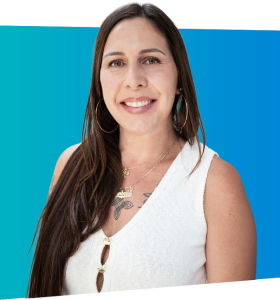
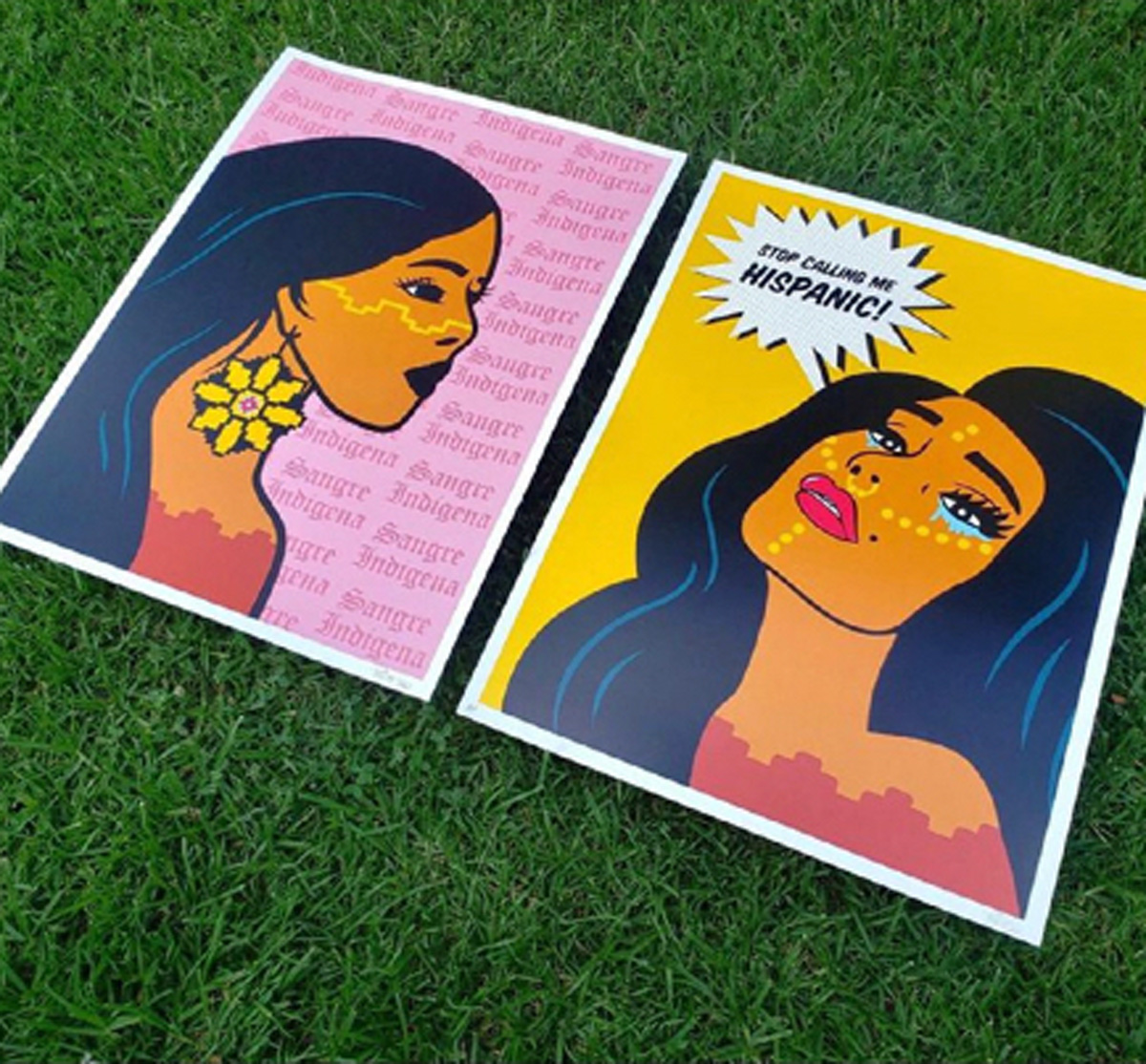
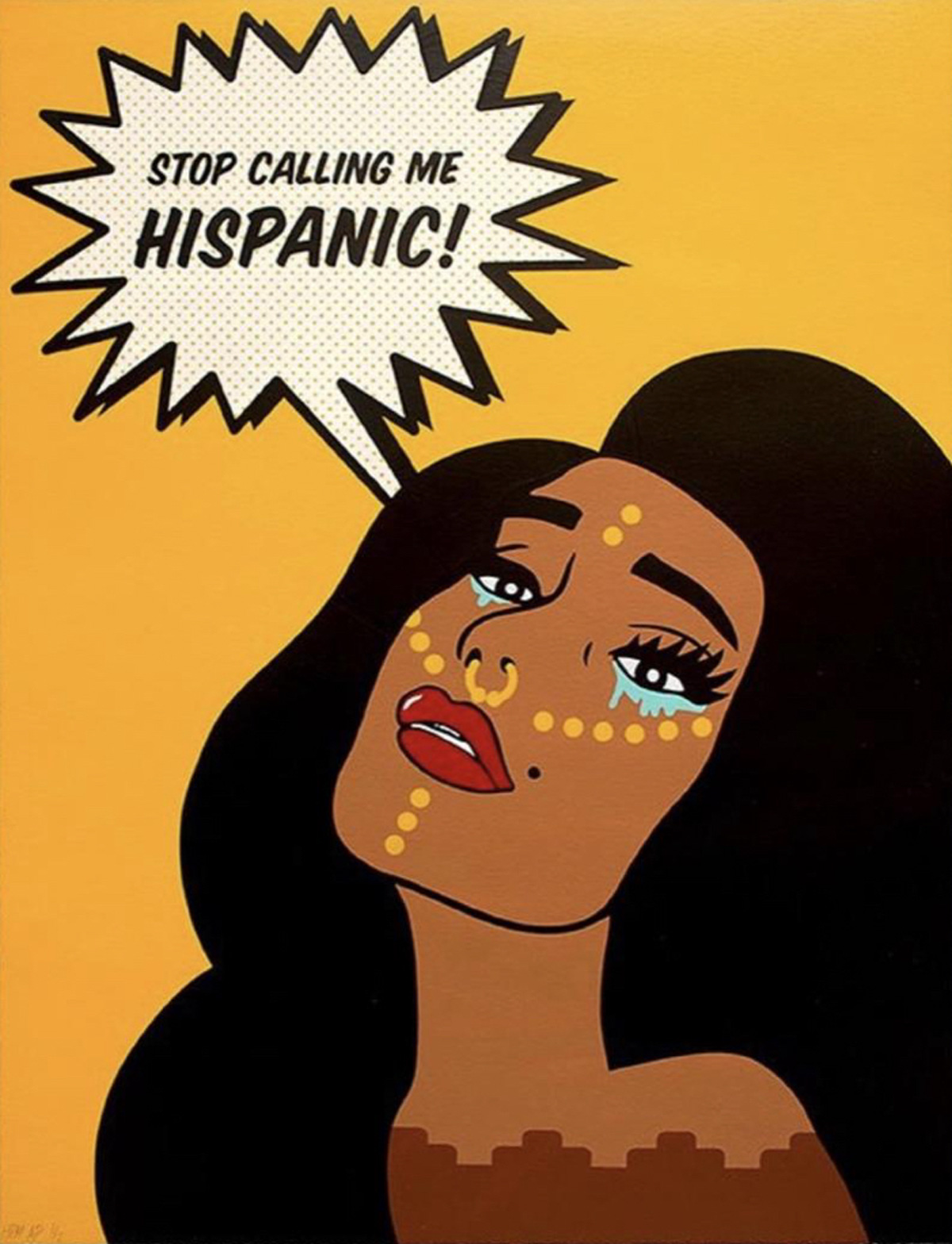
Kimberly Robertson is a citizen of the Muscogee (Creek) Nation, a Professor of American Indian Studies at California State University, Long Beach, and an artist. She was born and raised in Bakersfield, CA and has spent the last two decades living and working in Los Angeles on unceded Tongva lands. She earned a PhD in Women’s Studies from UCLA in 2012 and co-founded Meztli Projects in 2018. Her creative practices center Native feminisms, kinship, storytelling, decolonization, and Indigenous futurities and currently include beadwork, screen printing, collage, installation art, and zine-making. She utilizes high-femme aesthetics to address the myriad forms of violence that accompany racialized capitalism, settler colonialism, and cisheteropatriarchy while also encouraging viewers to consider the radical practice of making joy and laughter in service of collective healing and liberation. Her artworks have been exhibited in numerous community, university, public, and private galleries as well as peer-reviewed monographs and anthologies. Robertson’s first solo-exhibition, Diary of a Native Femme(nist) was hosted by the Chapter House in the spring of 2024. She is also an active member of the Los Angeles Indian community and facilitates beading circles and art-making workshops with Native and non-Native communities both locally and nationally.
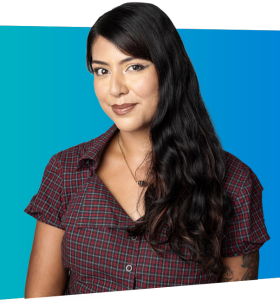
Melissa Govea
she/her
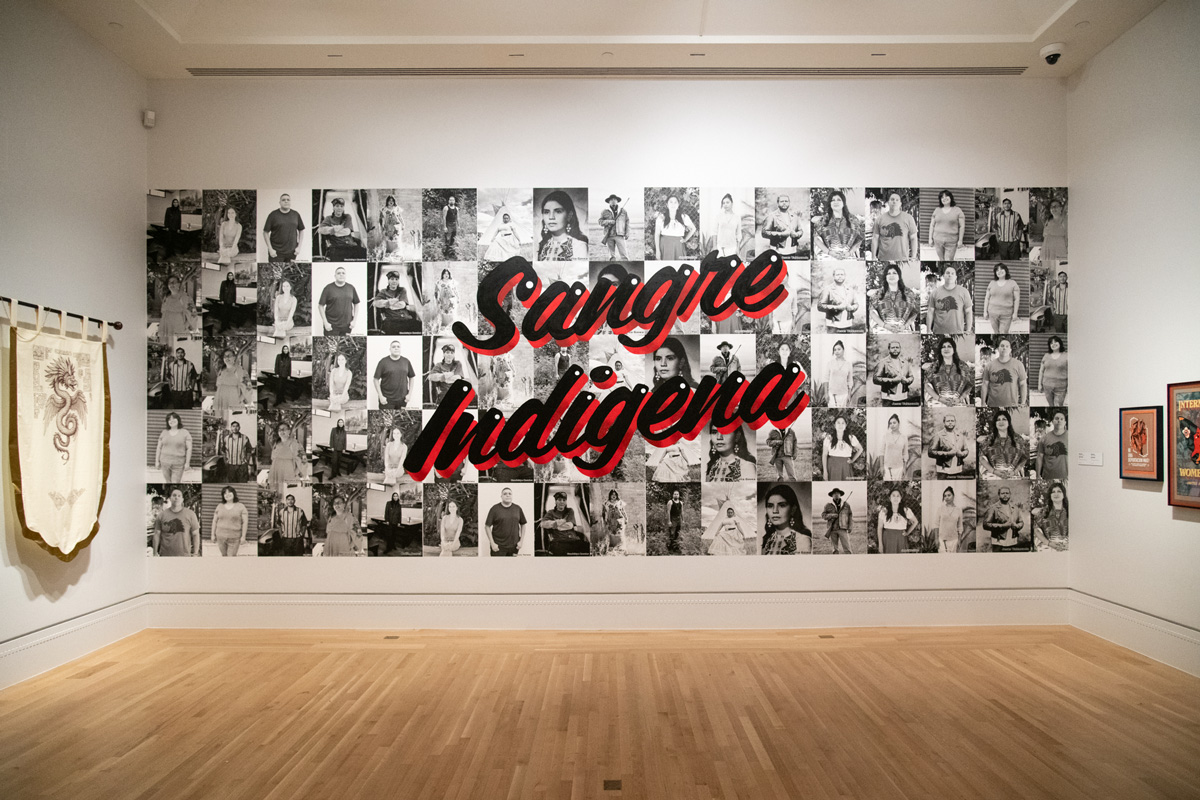
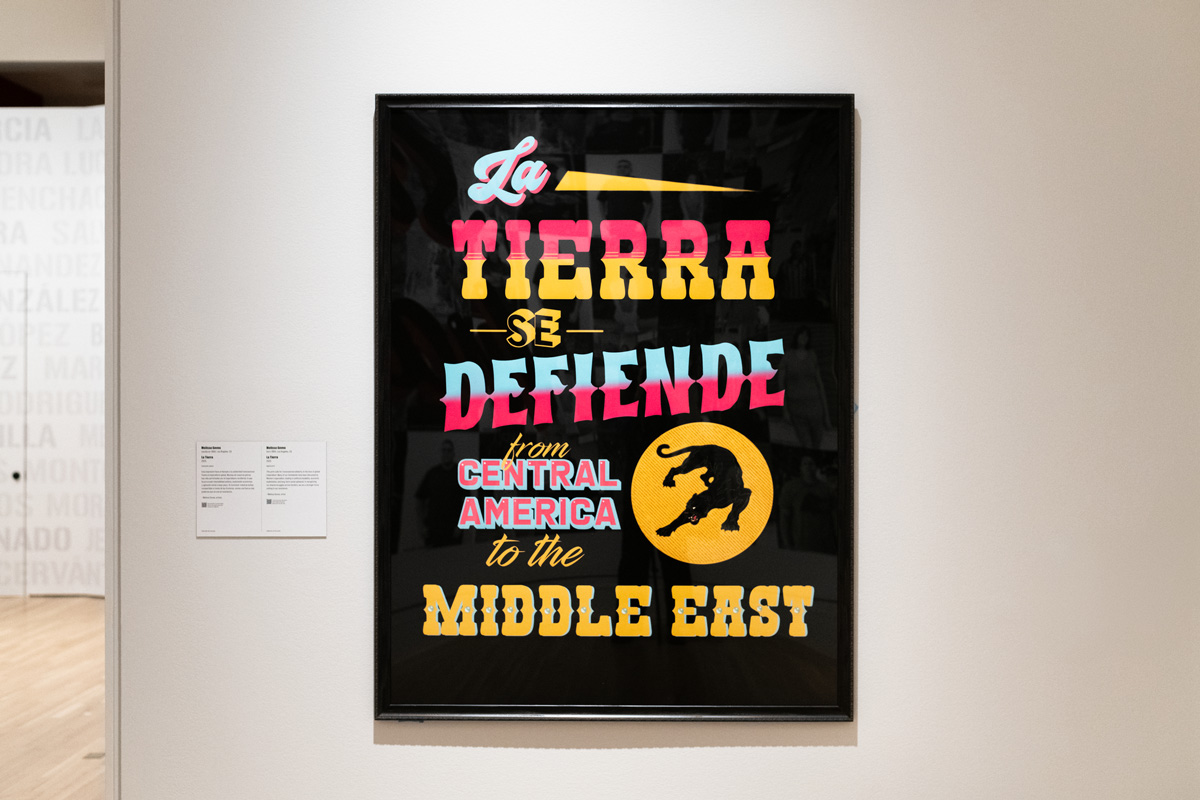
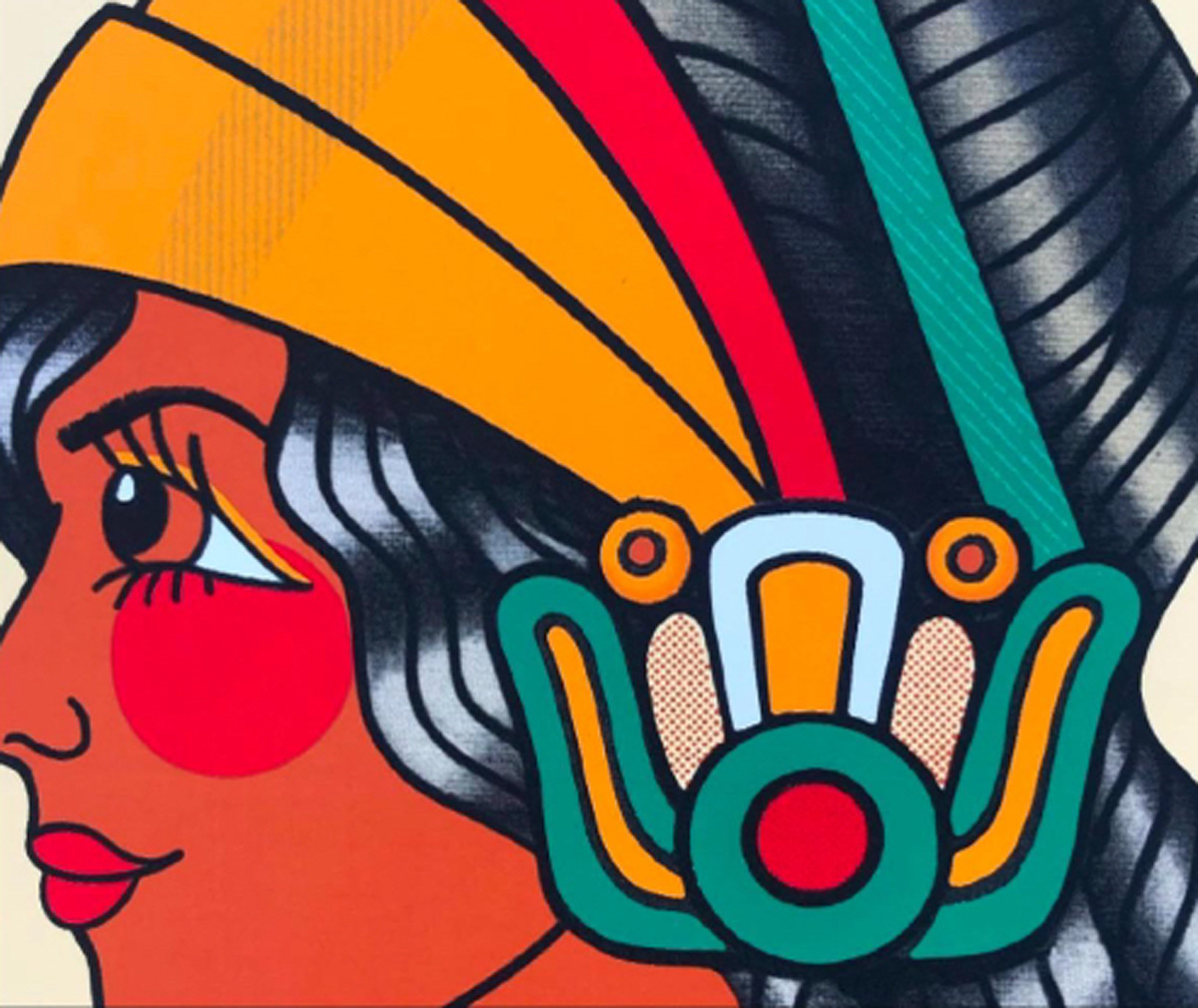
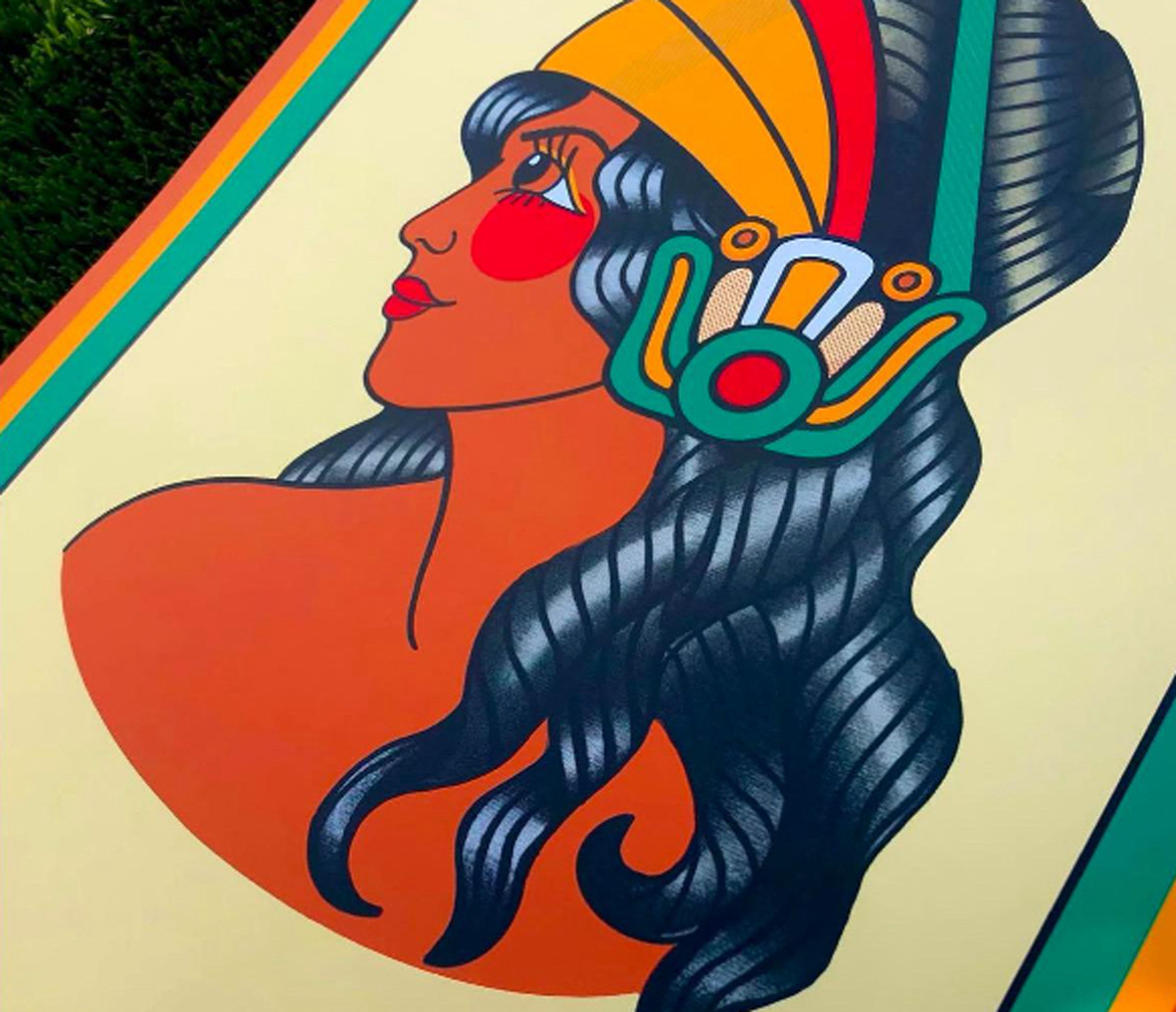
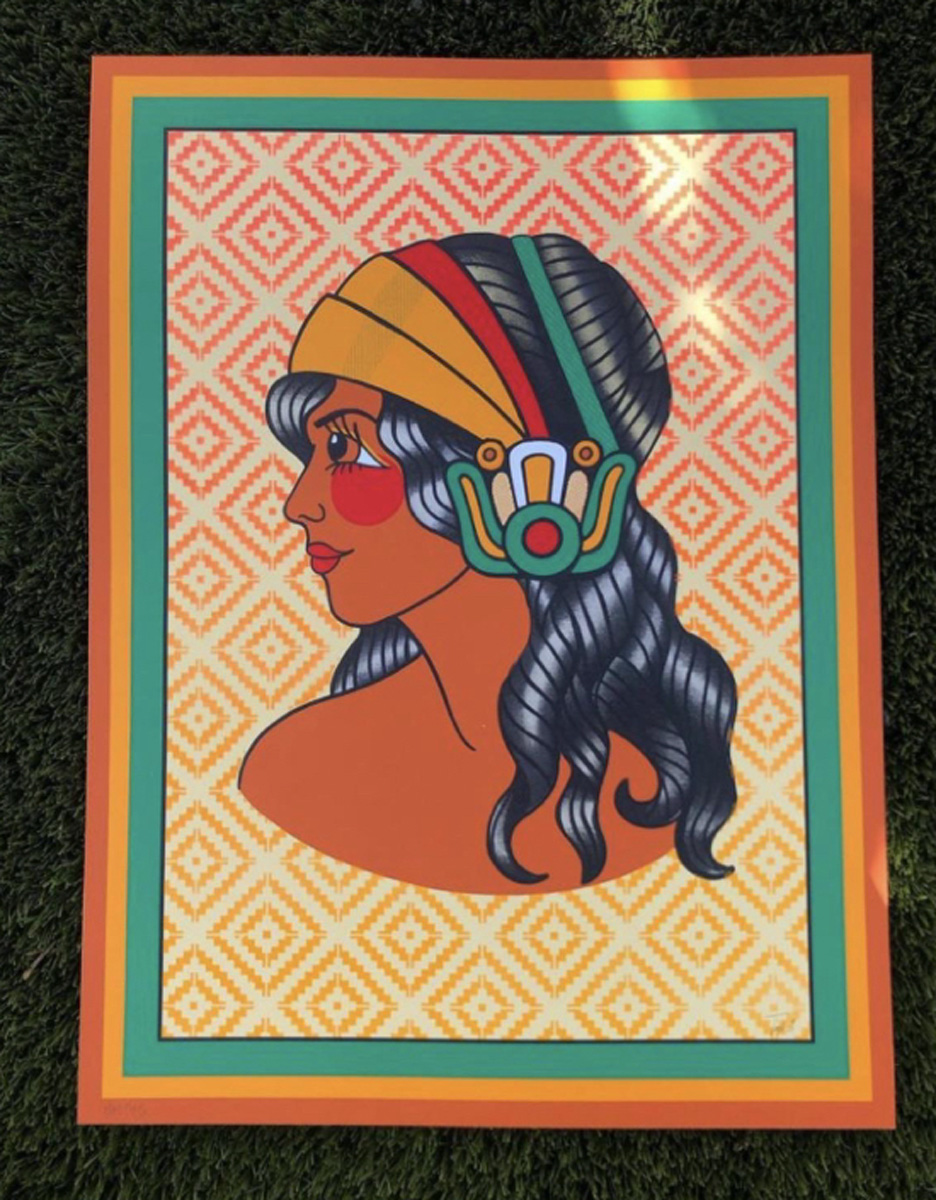
Melissa Govea is a Los Angeles born and raised artist whose practice centers on sign painting (hand-lettering traditions) and printmaking. Drawing from the city’s layered visual culture, she merges didactic messaging and communities radical histories to create bold works. Through carefully crafted letterforms, and various printmaking techniques she reimagines the language of public signage as a vehicle for storytelling, and cultural expression. Delving through the interplay of traditional storytelling methodologies and contemporary subcultures, she uses historical and popular iconography to galvanize cultural sovereignty. Melissa has worked with The Getty Museums Artist at Work Modern Calligraphy Programing , Participated in The Smithsonian Institution’s National Museum of the American Indian series Conversations About Our Future and has had her work commissioned by The Huntington Library Museum.
noé olivas
he/him/his
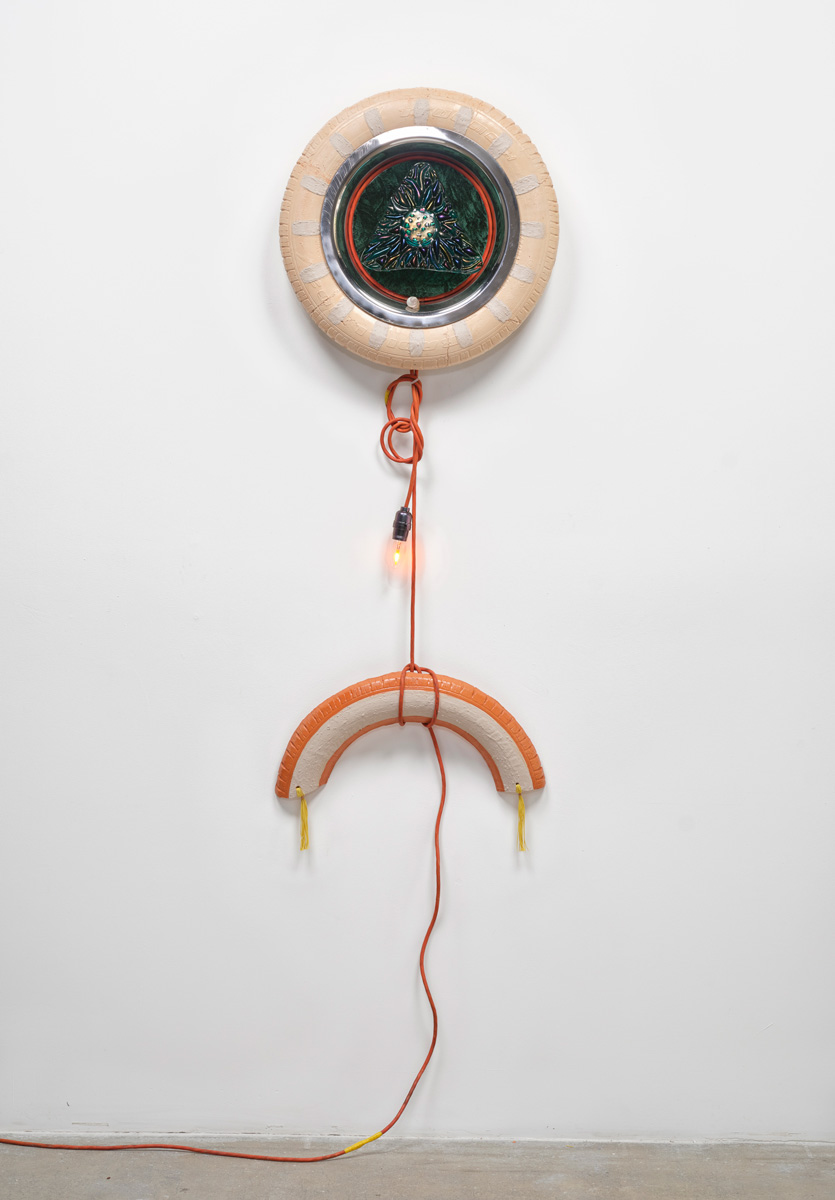
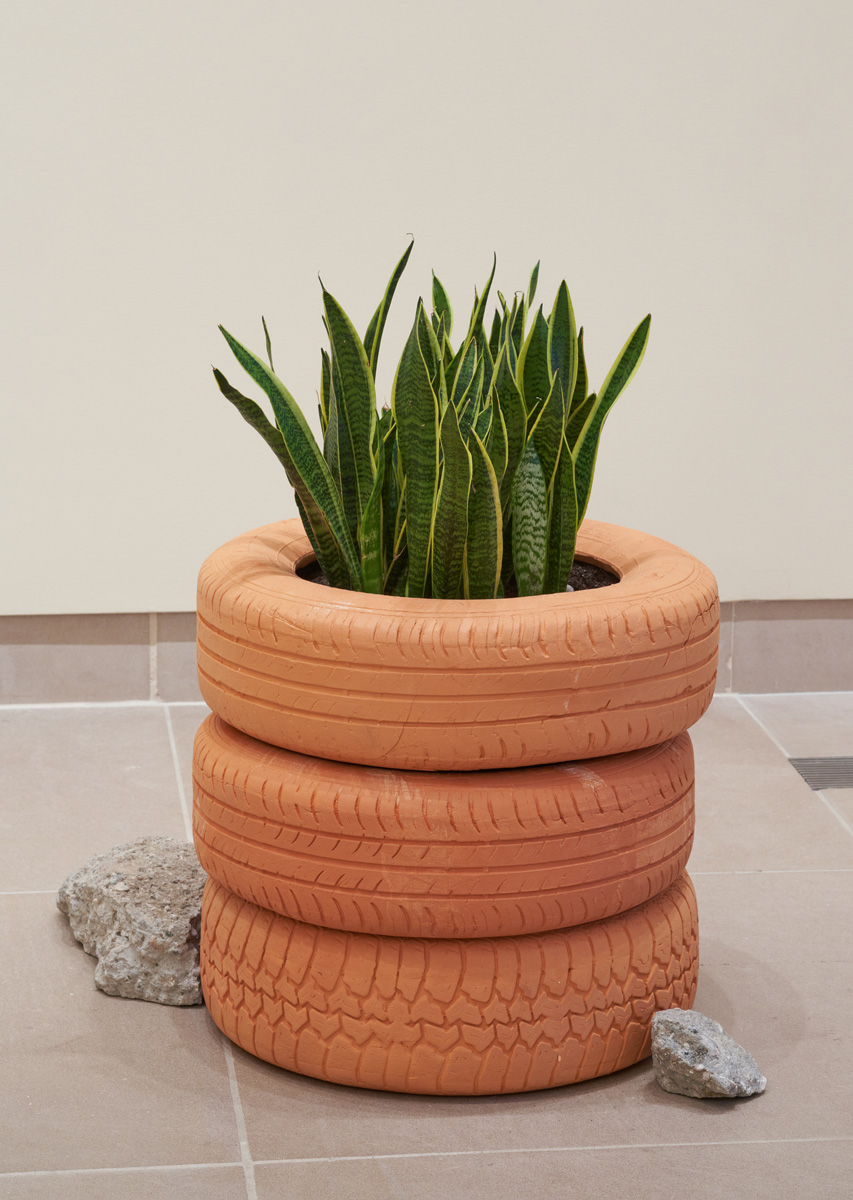
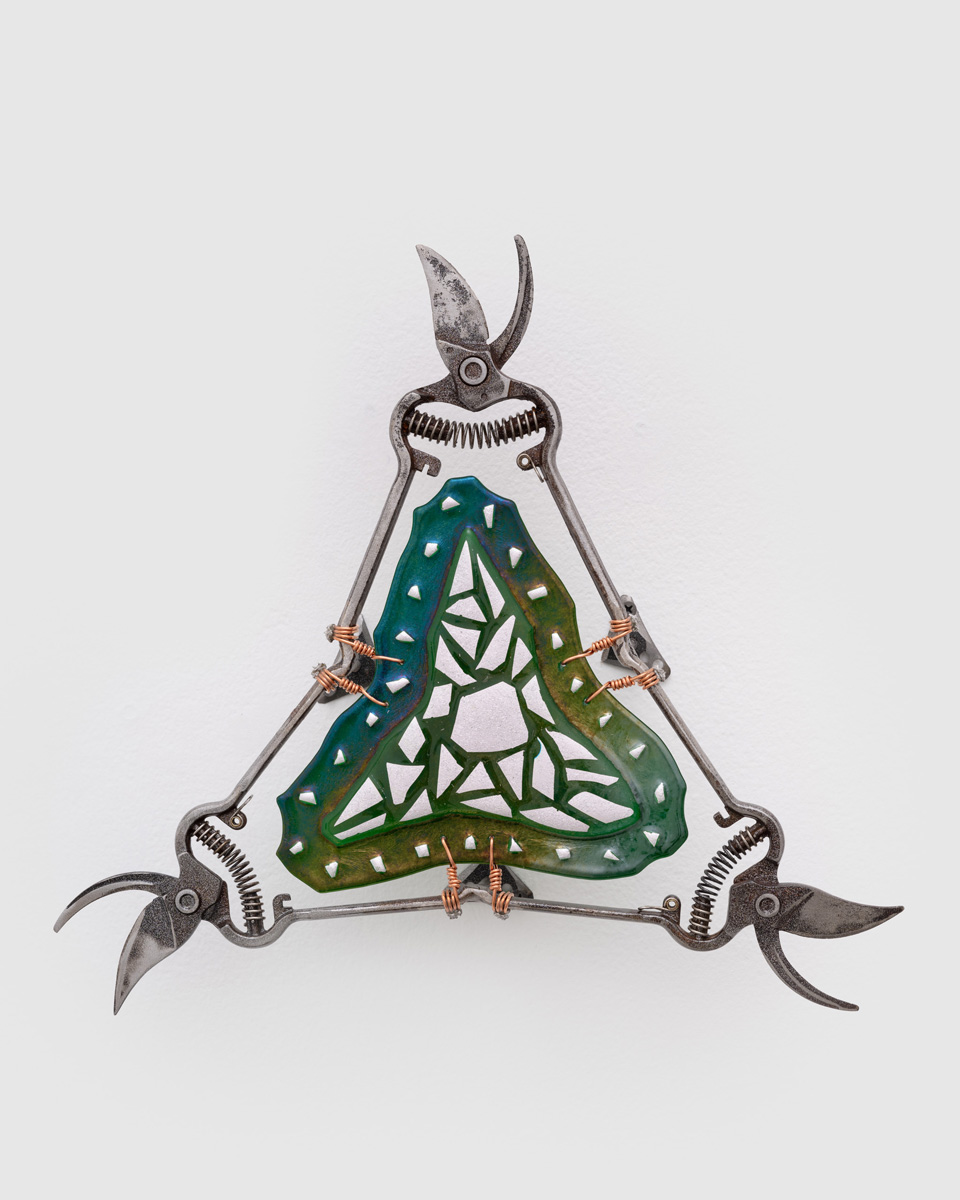
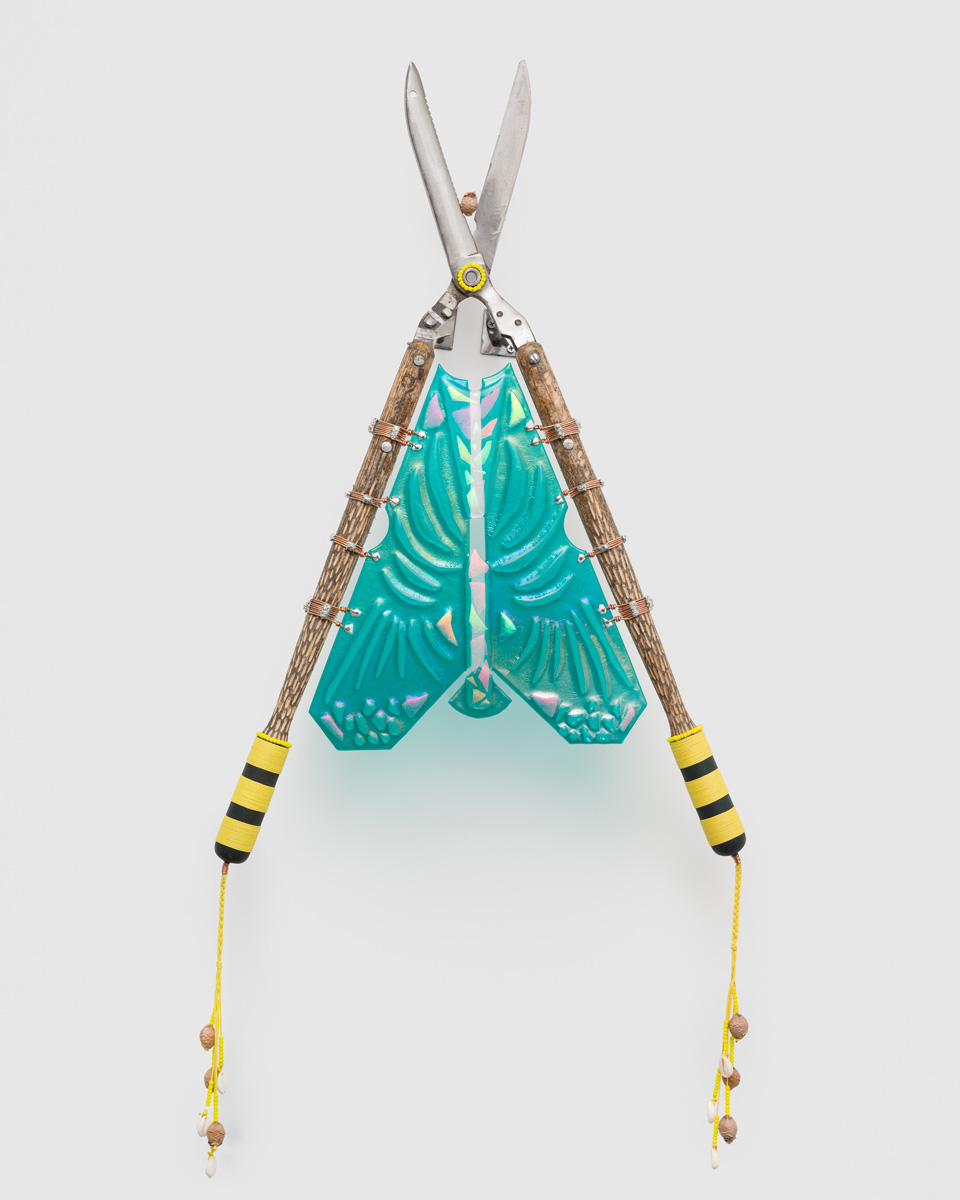
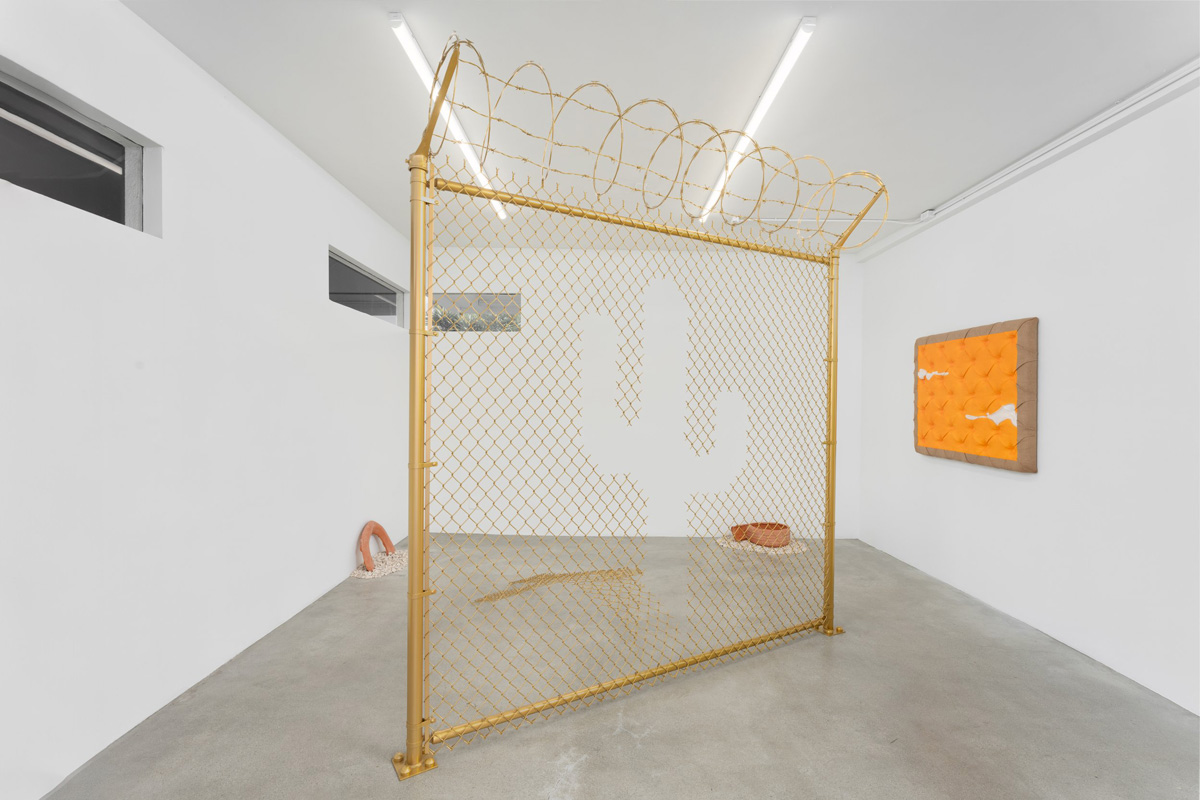
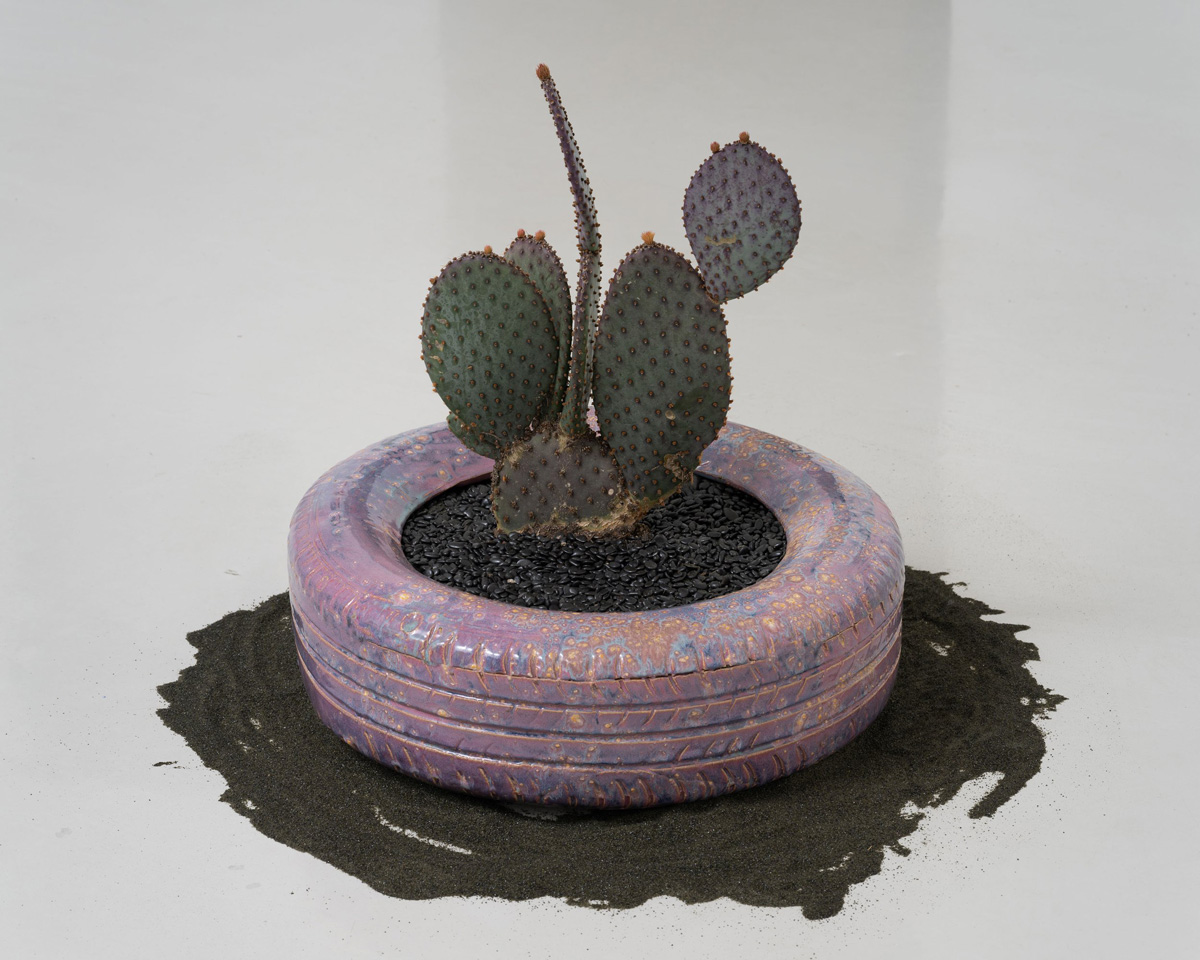
Living and working in Southern California, noé olivas is a multidisciplinary artist, cultural worker, educator, and cofounder of Crenshaw Dairy Mart, a community art space in Inglewood, California, dedicated to ancestry, abolition, and healing. Working across sculpture, installation, ceramics, painting, drawing, printmaking, video, performance, site-specific intervention, and archival research, olivas explores the Poetics of Labor: the socio-political and spiritual dimensions of labor, lineage, and liberation. His work has been exhibited at the Los Angeles Law Library, Los Angeles, CA (2026); Huntington Beach Art Center, Huntington Beach, CA (2025); Canada Gallery, New York, NY (2024); Ruth Chandler Williamson Gallery at Scripps College, Claremont (2024); Charlie James Gallery, Los Angeles (2023, 2019); Mandeville Gallery at the University of California, San Diego (2023); Candlewood Festival, Borrego Springs (2022), and Hammer Museum – UCLA, Los Angeles (2022). olivas is an Assistant Professor in the School of Arts – Art, Media, and Design at California State University San Marcos. He received his MFA from University of Southern California and his BA from University of San Diego.
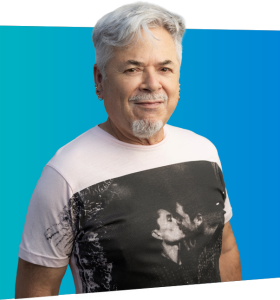
Reynaldo Rivera
he/him/his
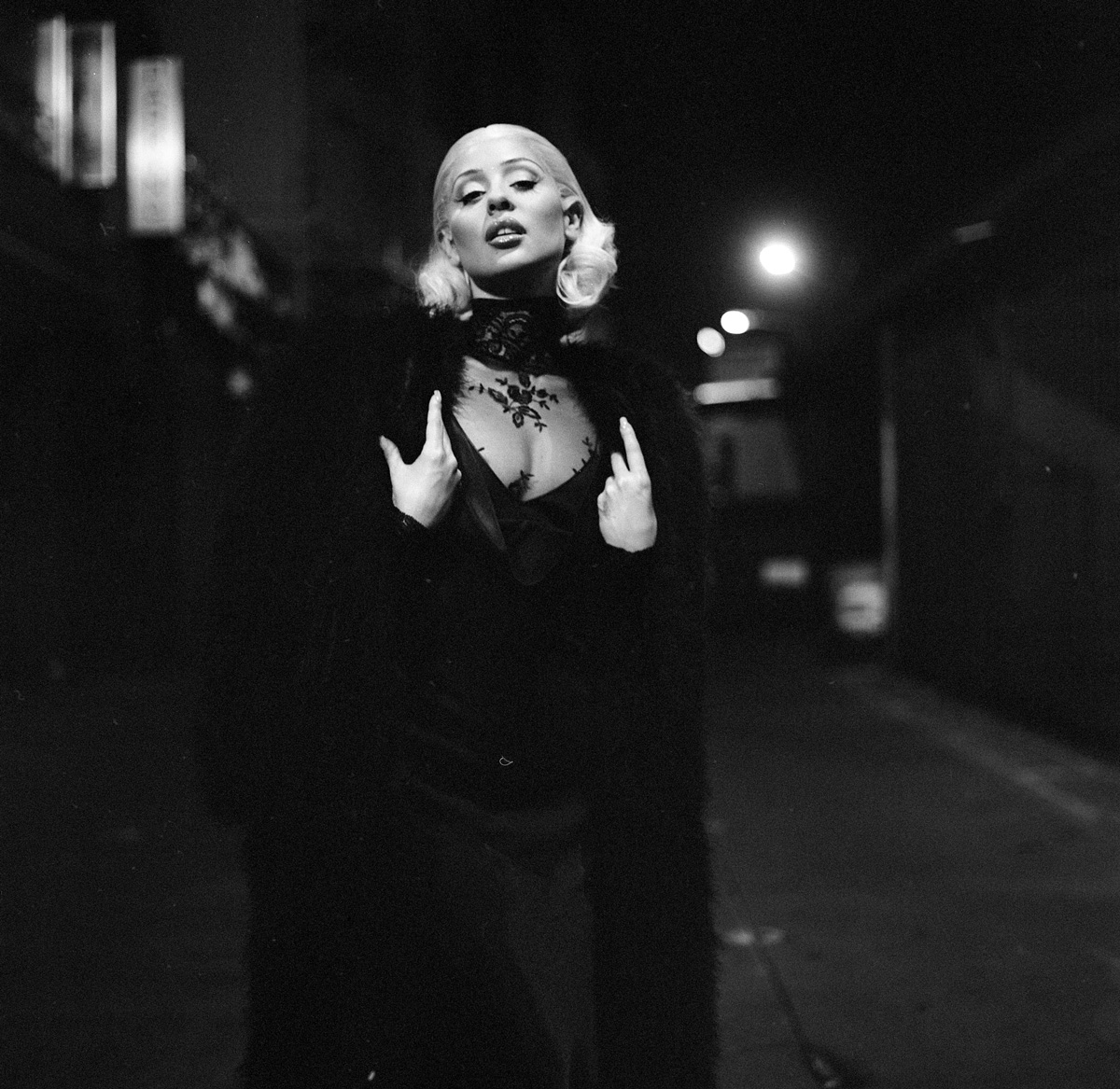
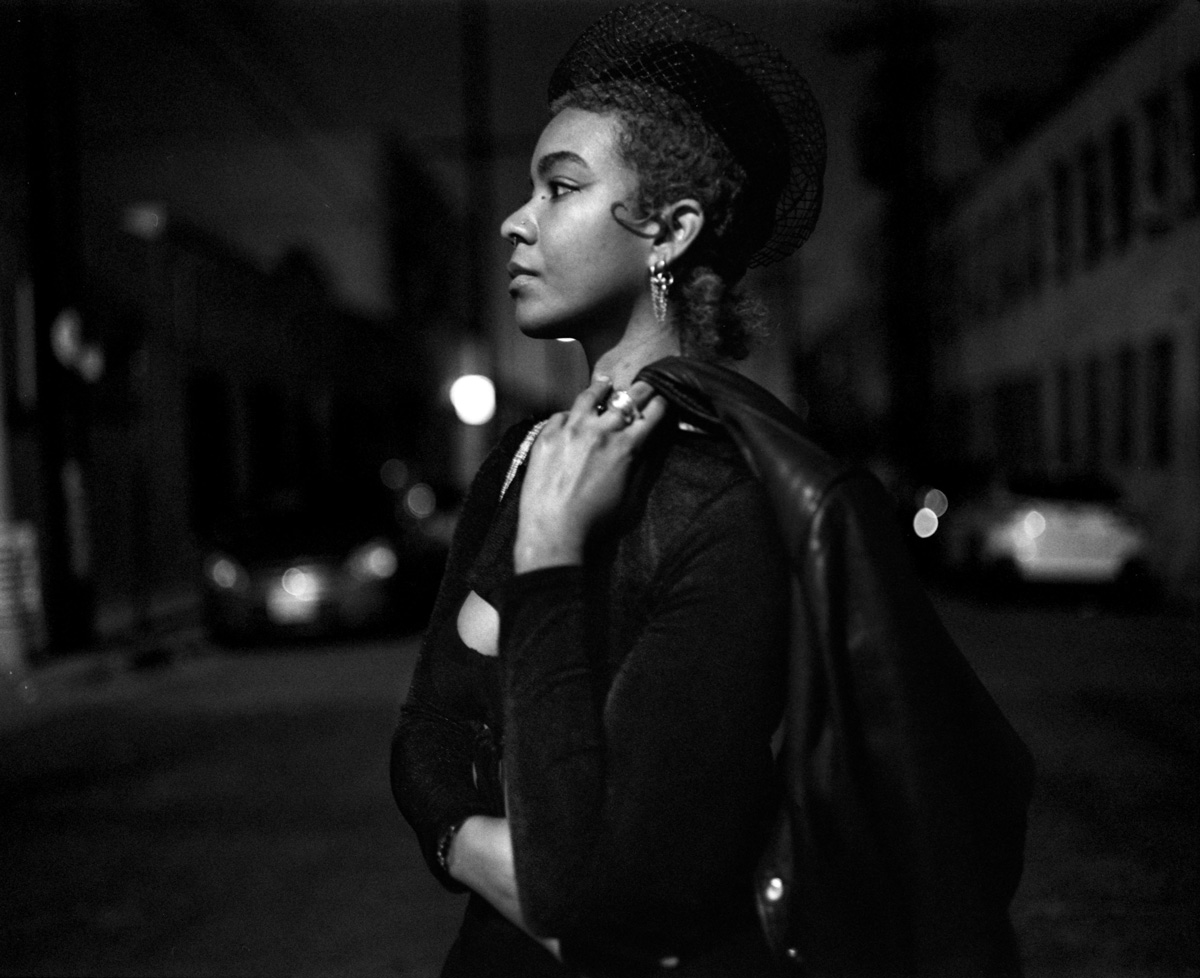
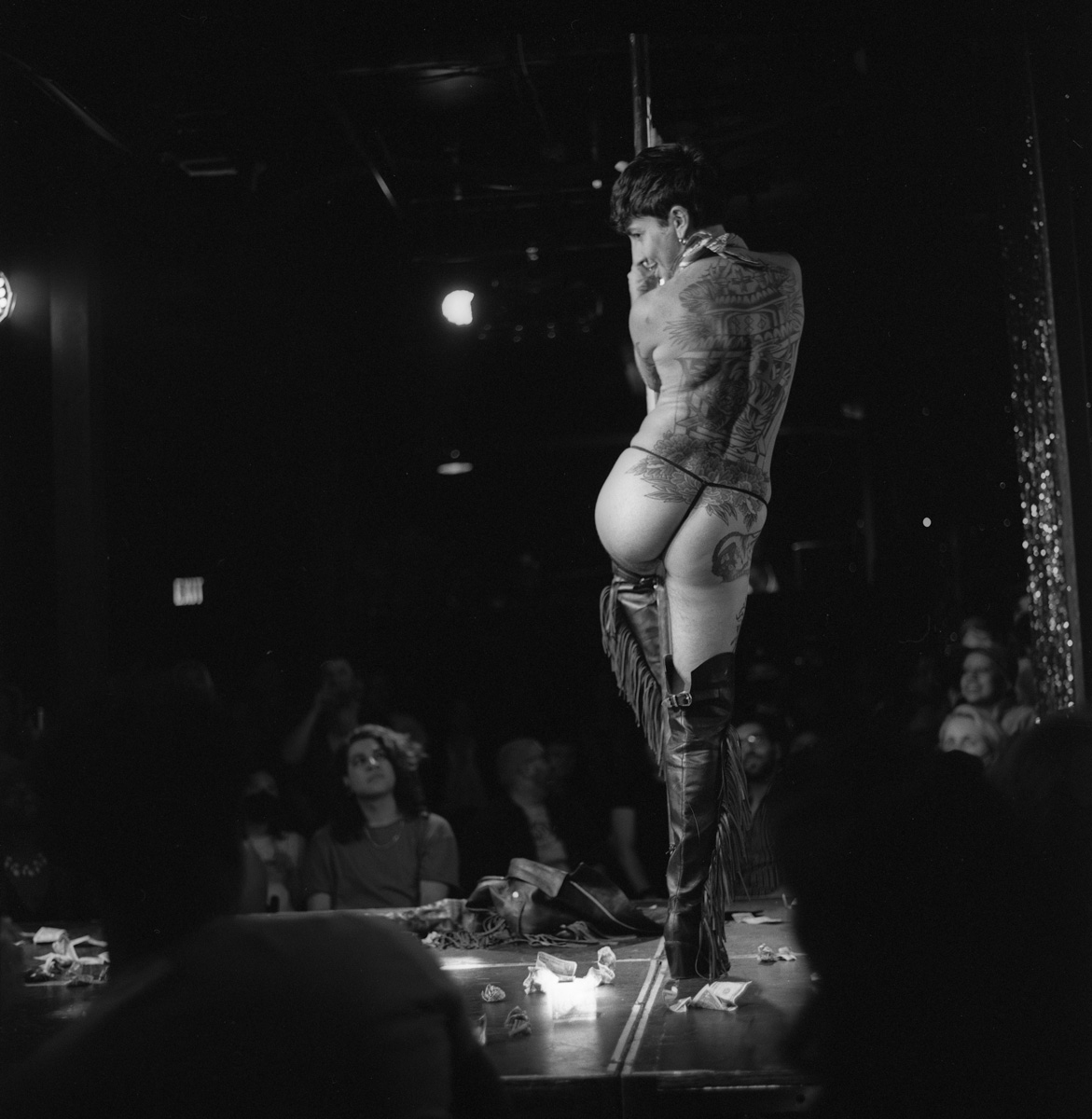
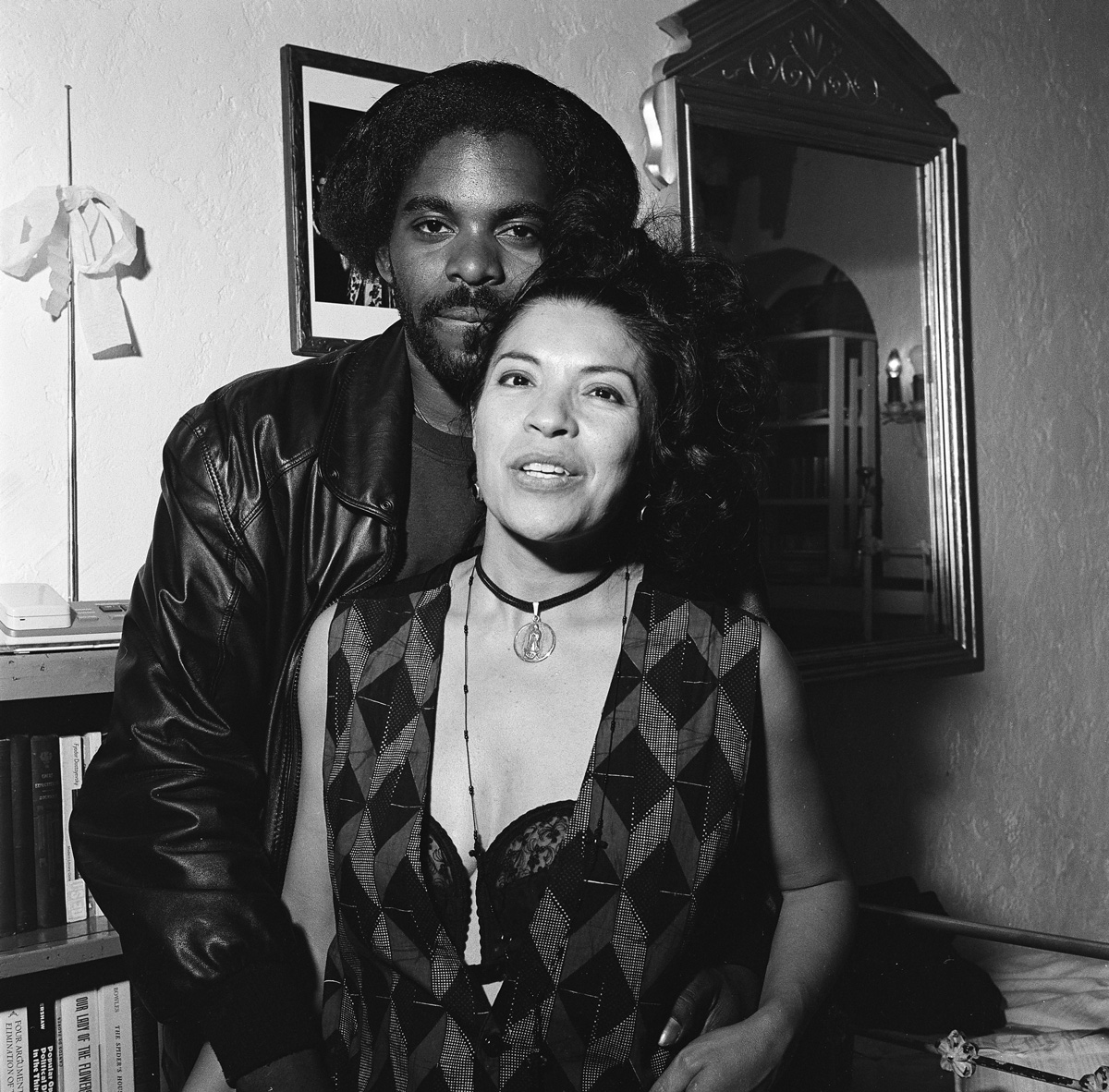
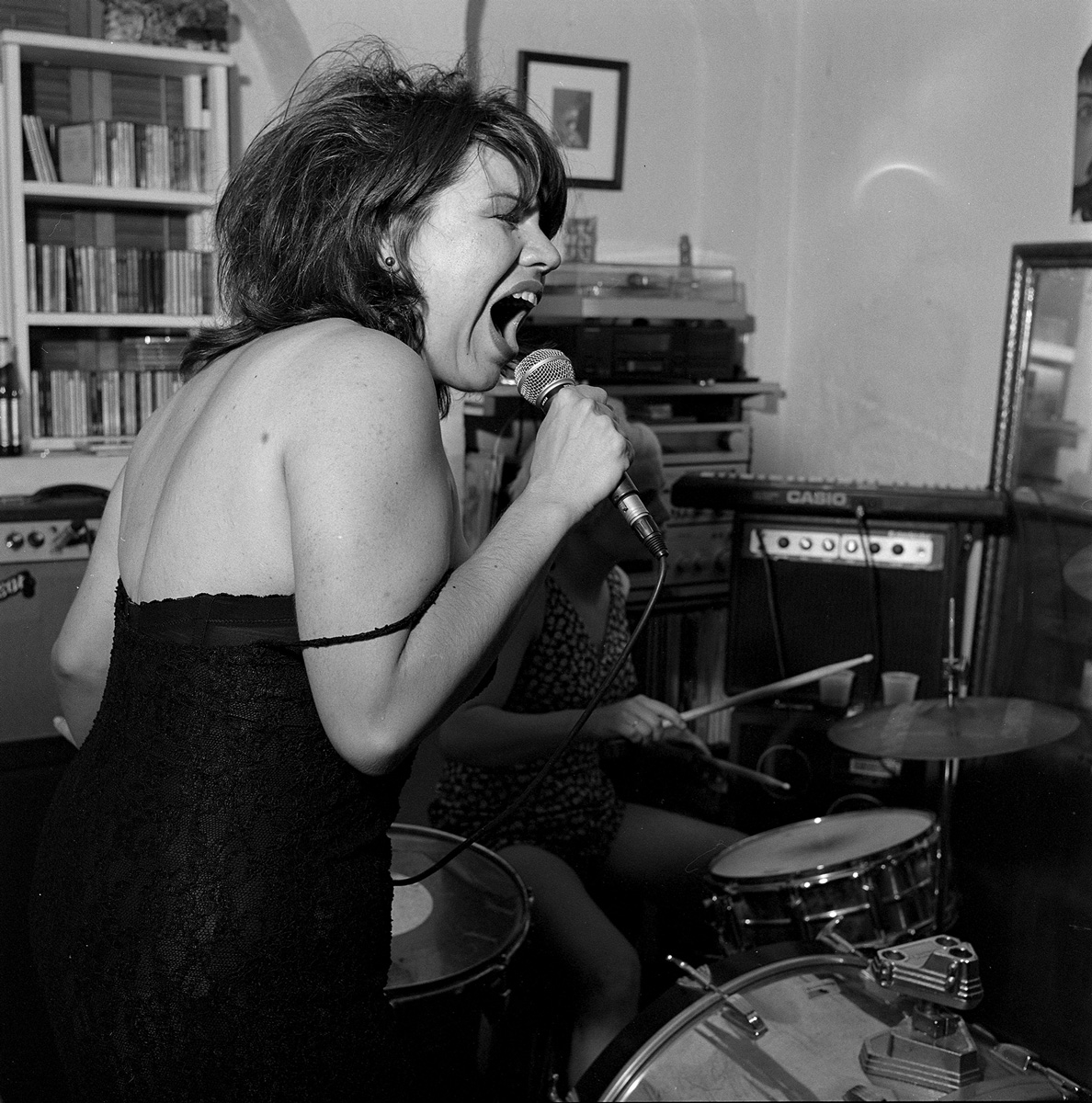
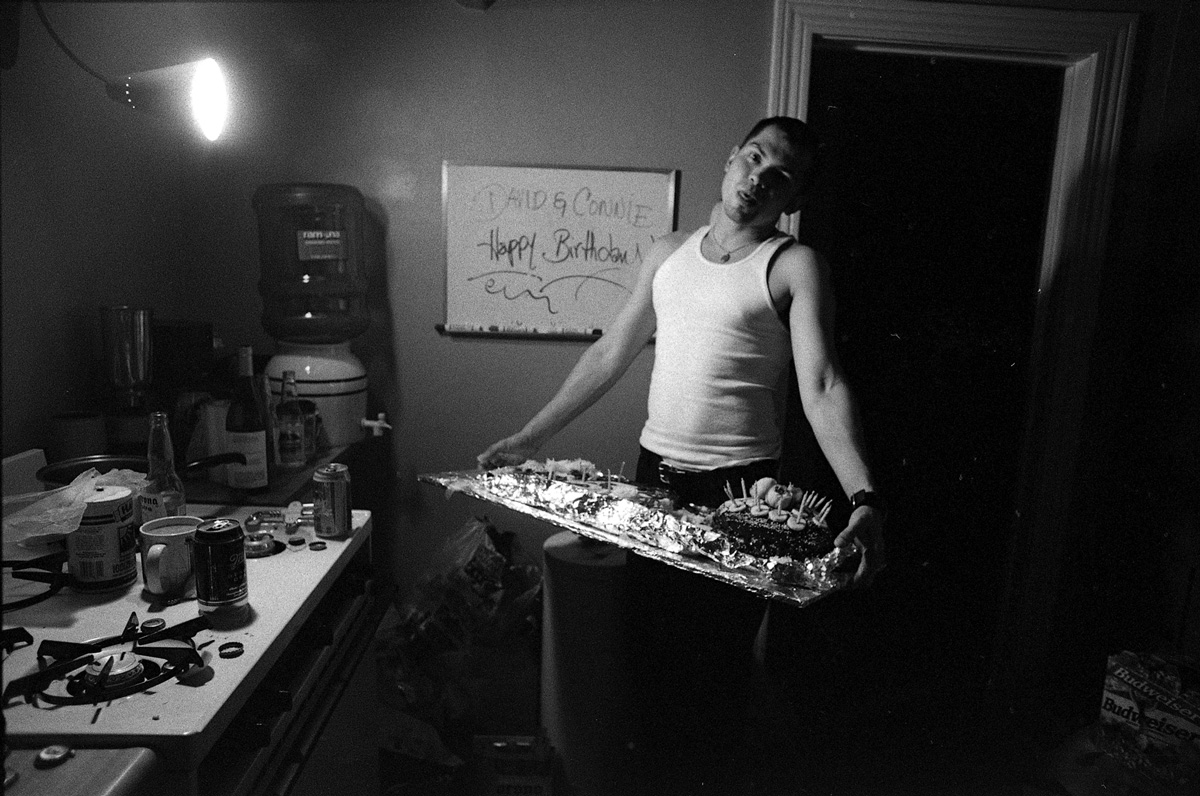
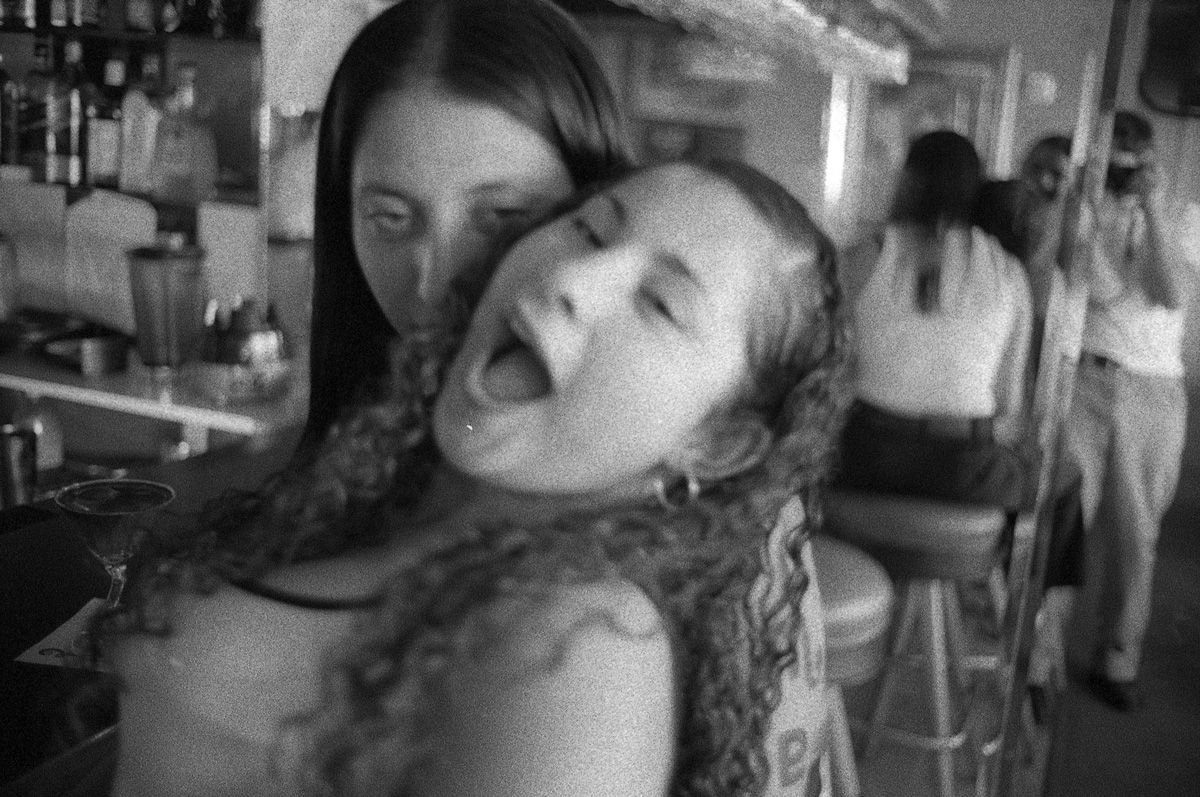
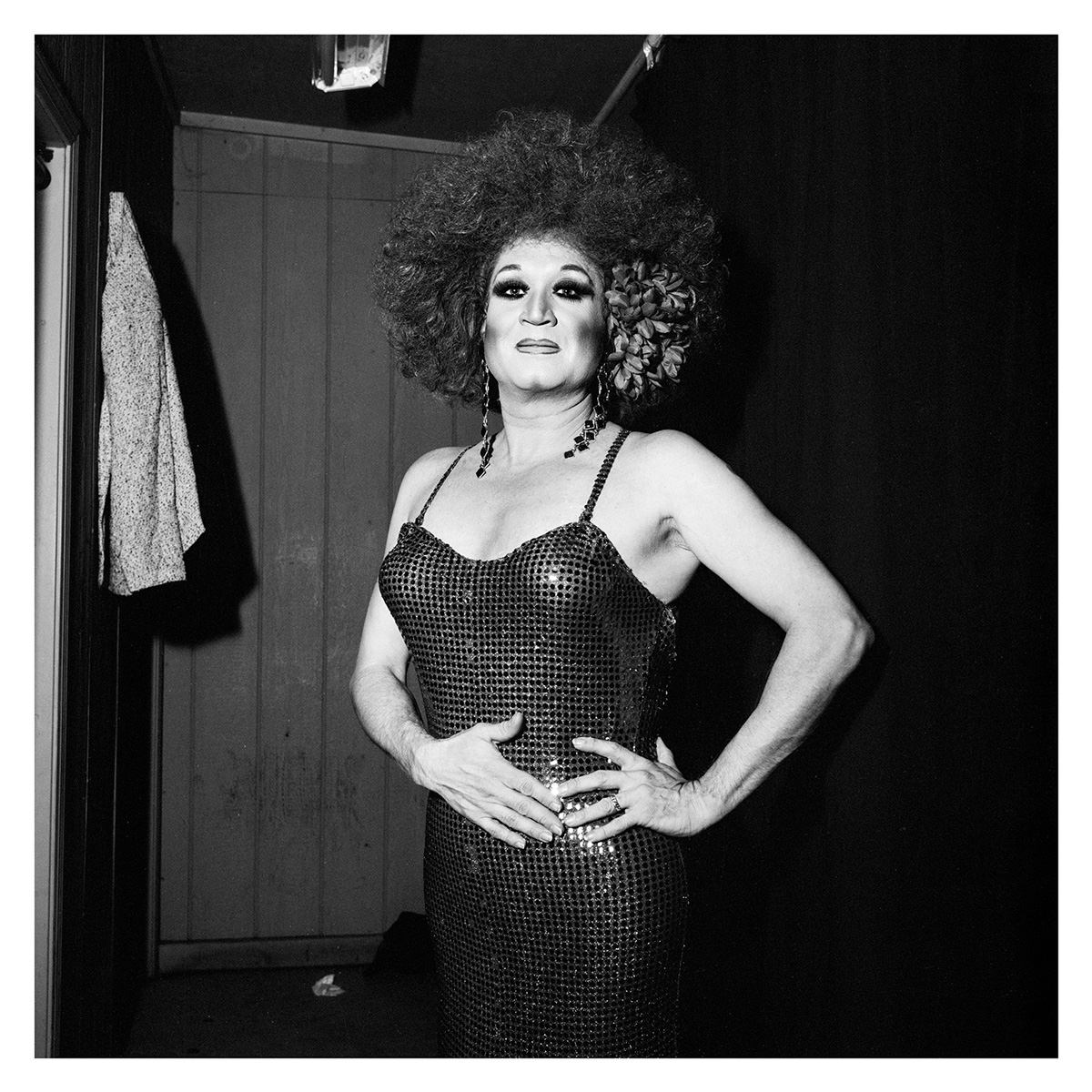
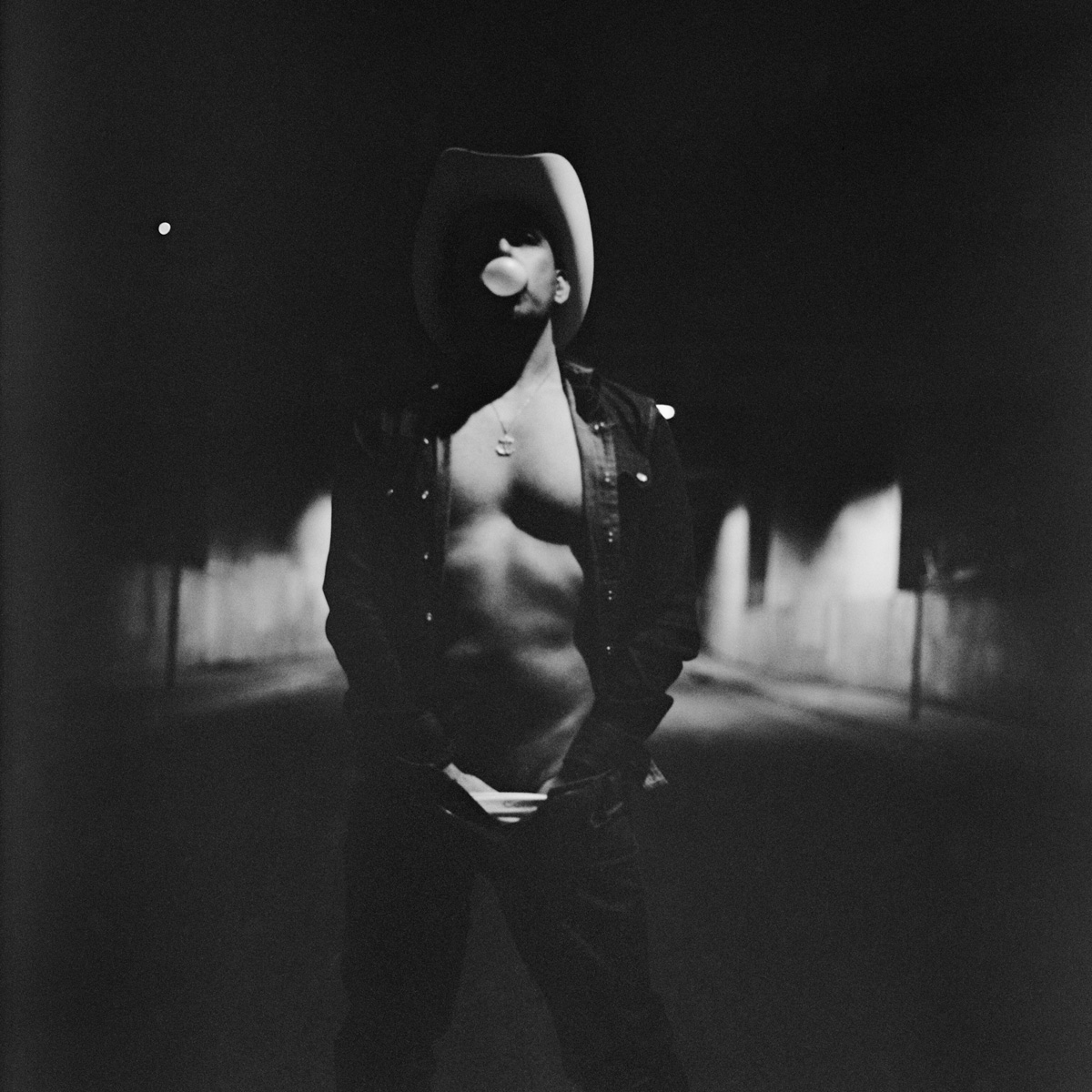
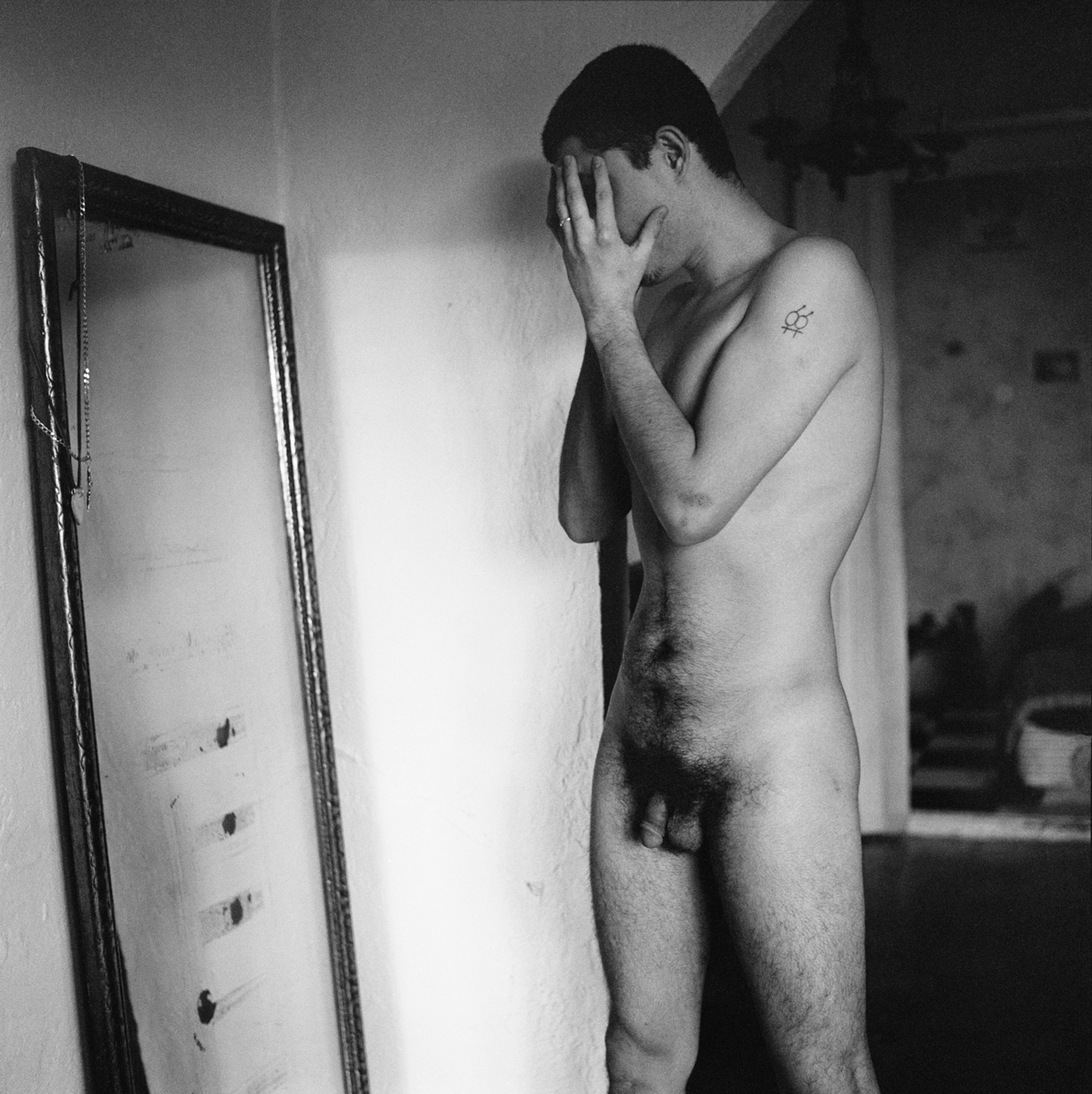
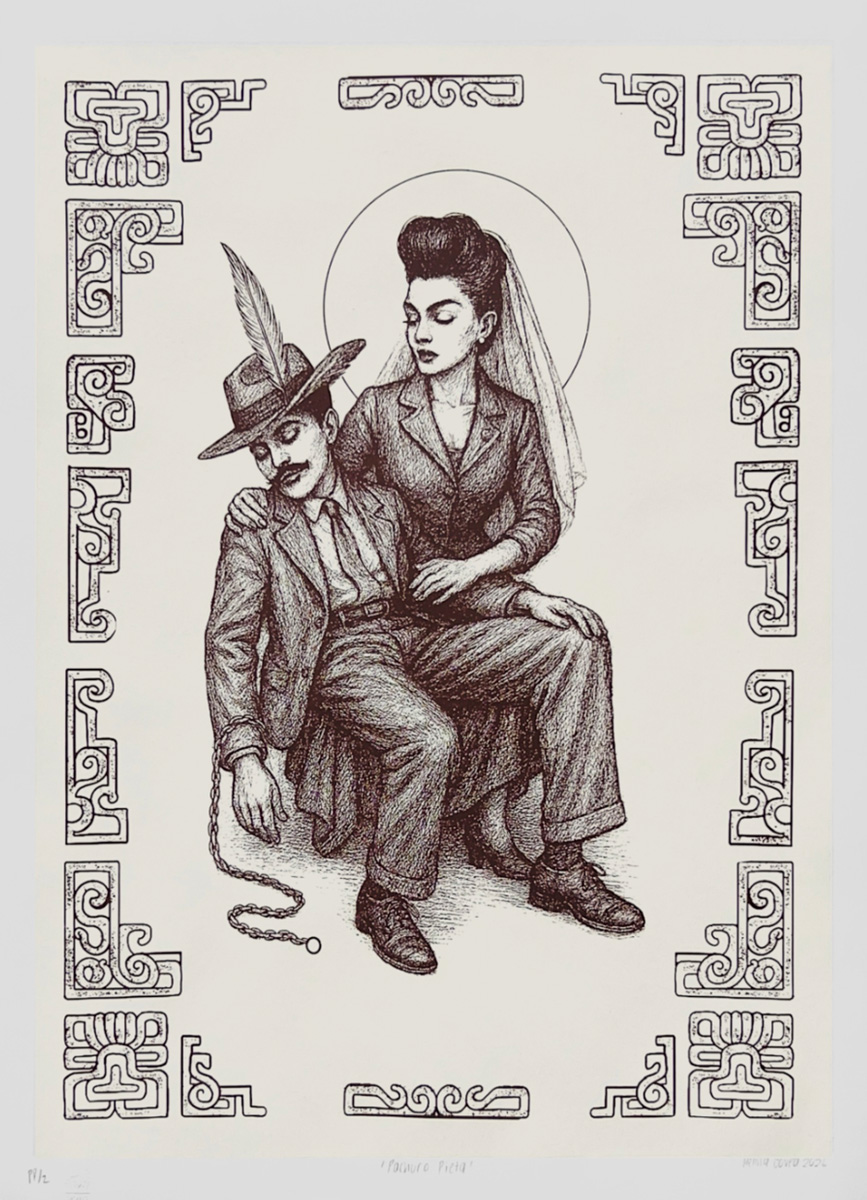
Reynaldo Rivera (b. 1964, Mexicali, Mexico) grew up moving between San Diego de la Unión, Mexico; Los Angeles; and Stockton, California, before settling in East Los Angeles. His photographs emerge from a life lived inside the city’s cultural underground, not at a distance from it. Rivera’s expansive archive, long unseen, captures queer clubs and house parties in Los Angeles throughout the 1980s and 1990s, centered around trans women, drag performers, friends, lovers, and chosen family. At the core of Rivera’s practice is a refusal to let Latino cultural history be erased. His work insists that Latinos have always shaped the city’s music, fashion, art, and nightlife, even as we are repeatedly overlooked, misrepresented, or reduced to stereotypes. Rivera’s images offer something rarer than observation, they carry the heat of proximity, the intimacy of trust, and the authority of firsthand memory. Rivera is self-taught, learning photography roll by roll through necessity, curiosity, and survival. Working-class life made photography expensive and often impossible, which shaped how carefully he shot, how much each frame mattered. Returning to the archive now becomes an act of visibility and preservation, honoring the people and spaces that made Los Angeles what it is.