For more than a century, CCF has worked alongside donors, nonprofits and communities to expand access to a good life for all across Los Angeles County.
Our five interconnected priorities reflect the conditions that make a good life possible for every Angeleno.
CCF connects philanthropy with community priorities, investing in organizations and partnerships that strengthen communities and expand opportunity across Los Angeles County.
CCF helps donors turn their charitable vision into meaningful impact, with personalized expertise and deep knowledge of Los Angeles County.
Explore stories of the people and organizations shaping Los Angeles County, along with the latest news and updates from CCF.
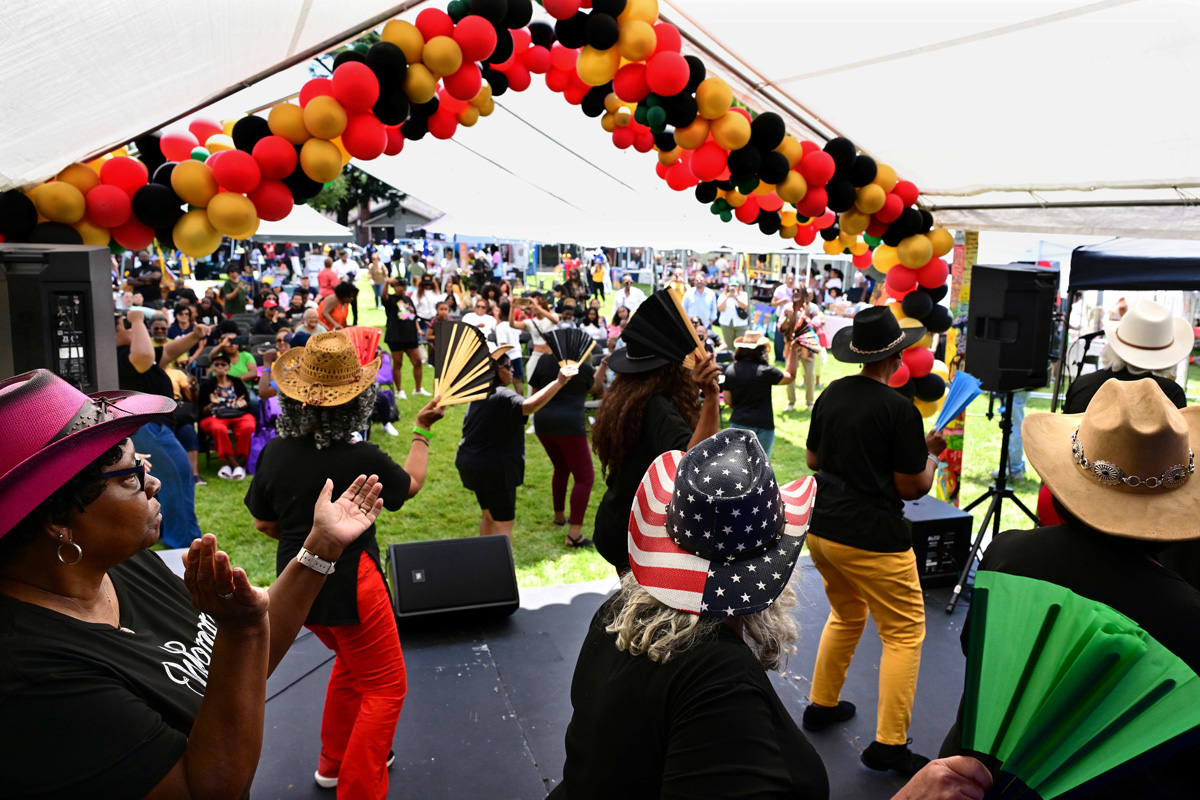
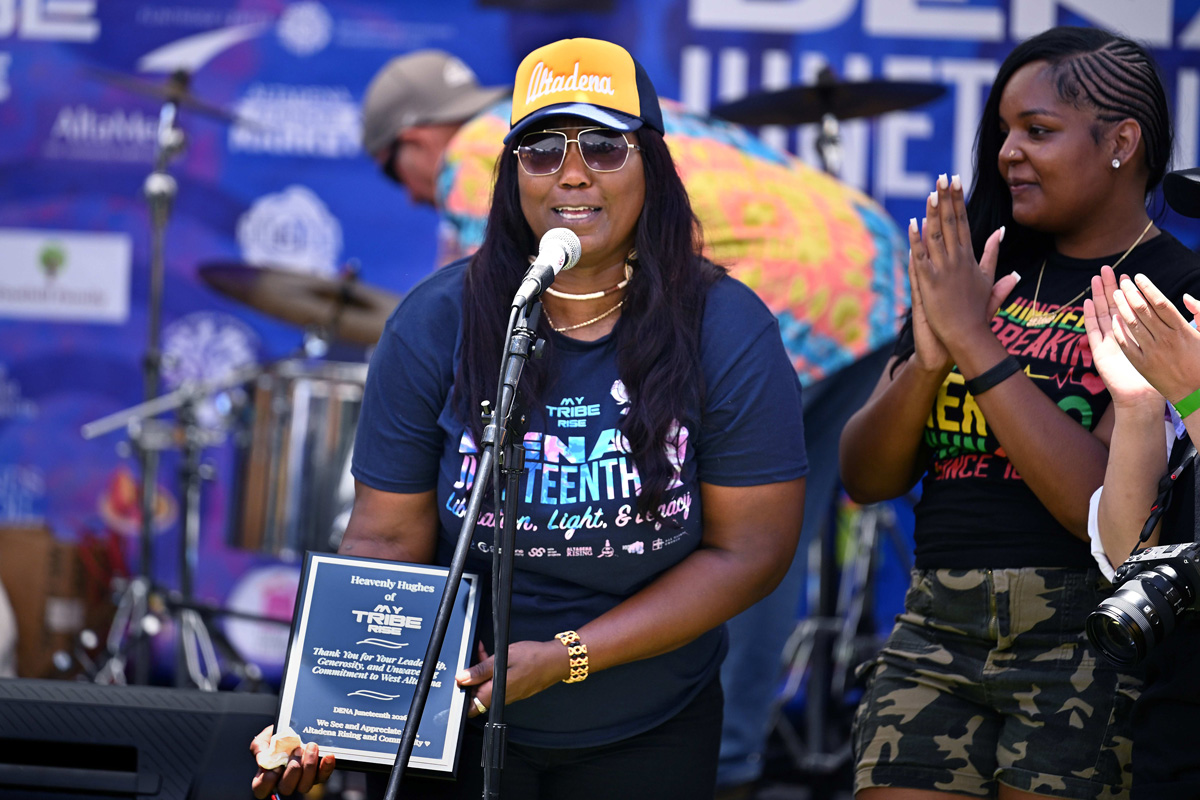
For six years, Heavenly Hughes has organized a colorful Juneteenth celebration in Altadena to lift up “light, legacy and liberation” in marking the day in 1865 when enslaved African Americans in Texas finally received word they were free.
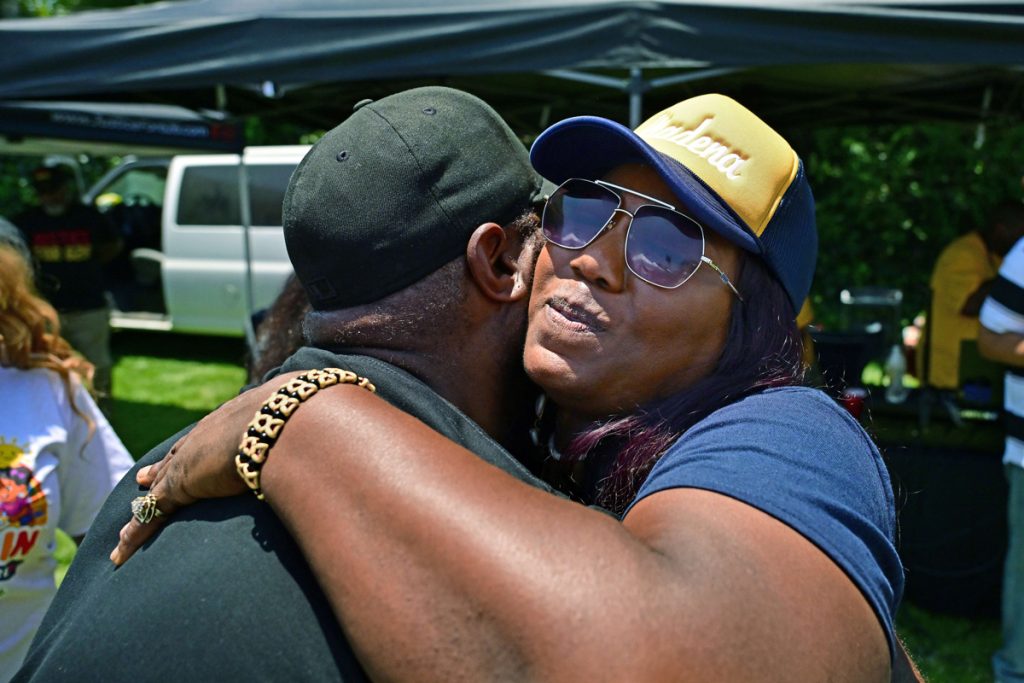
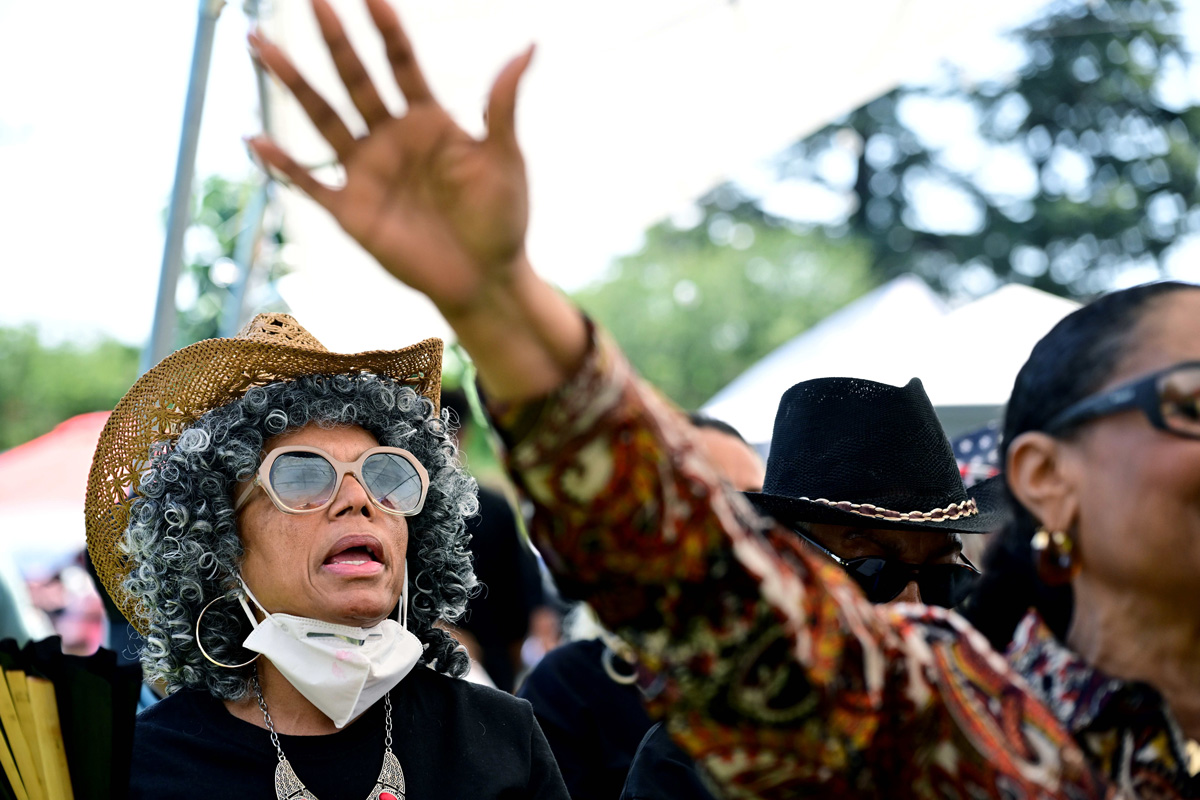
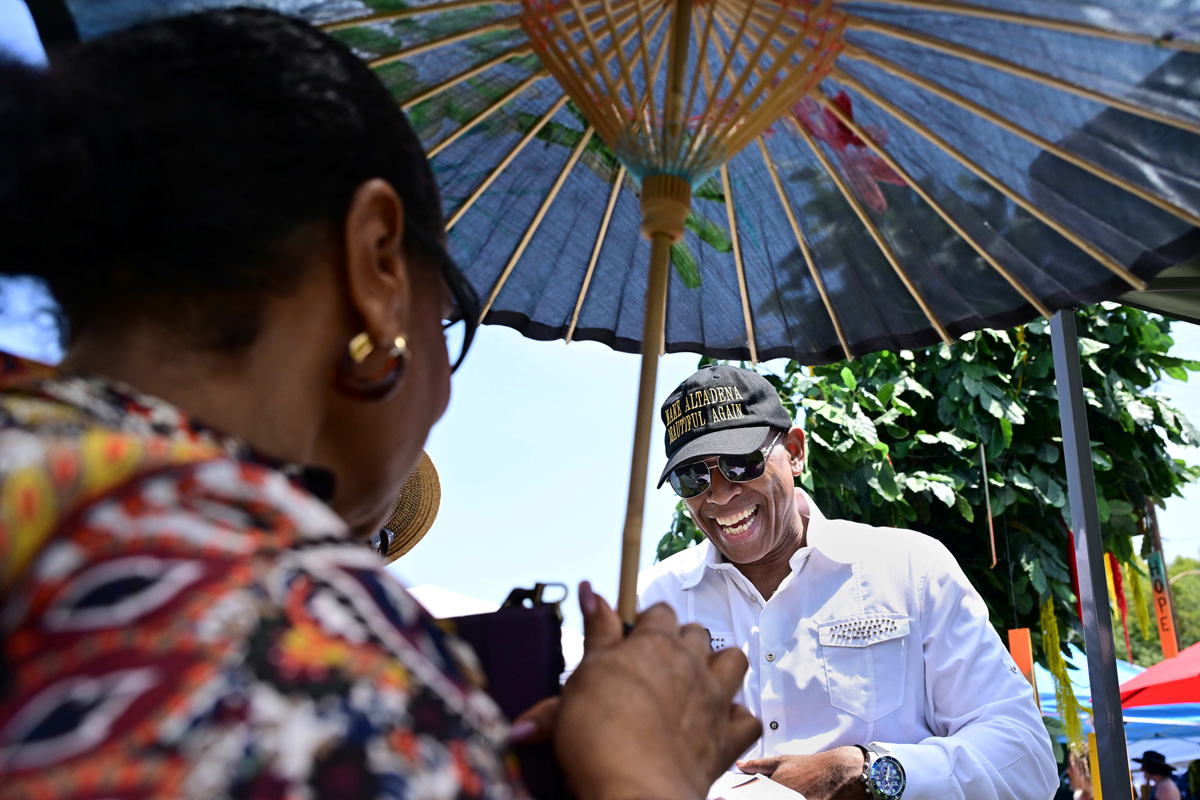
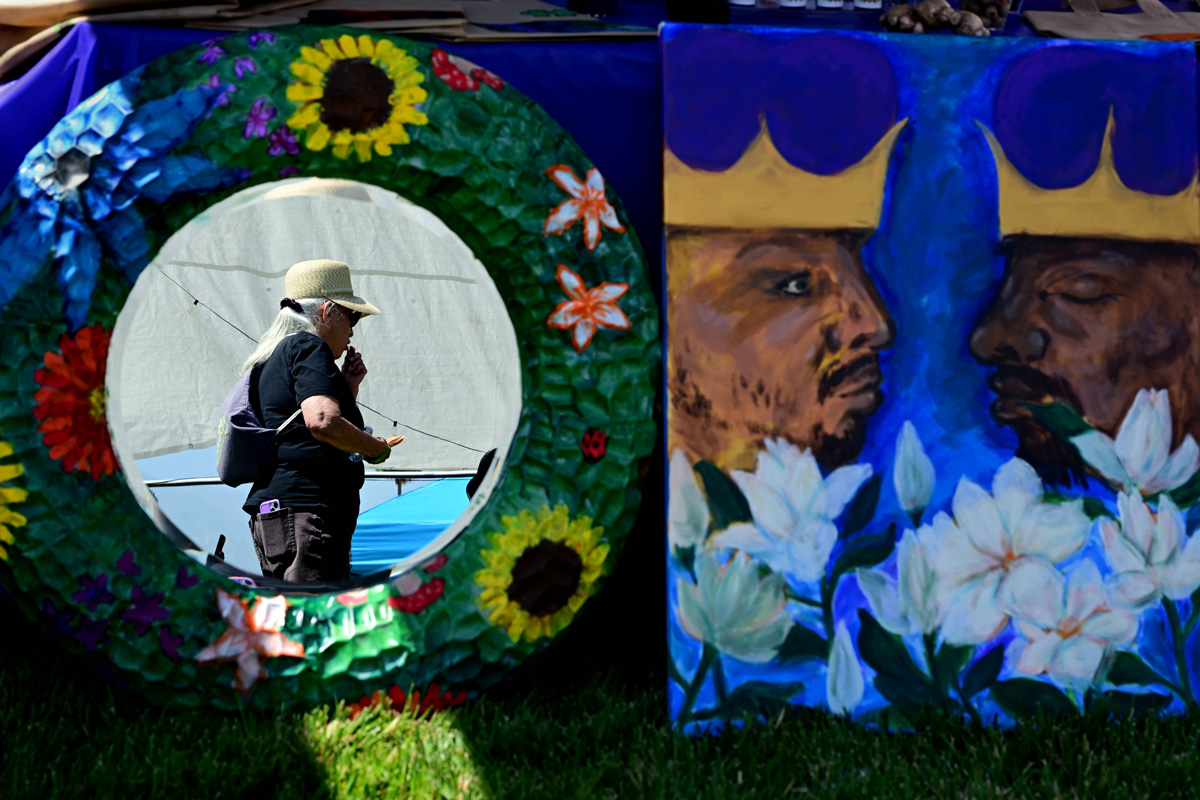
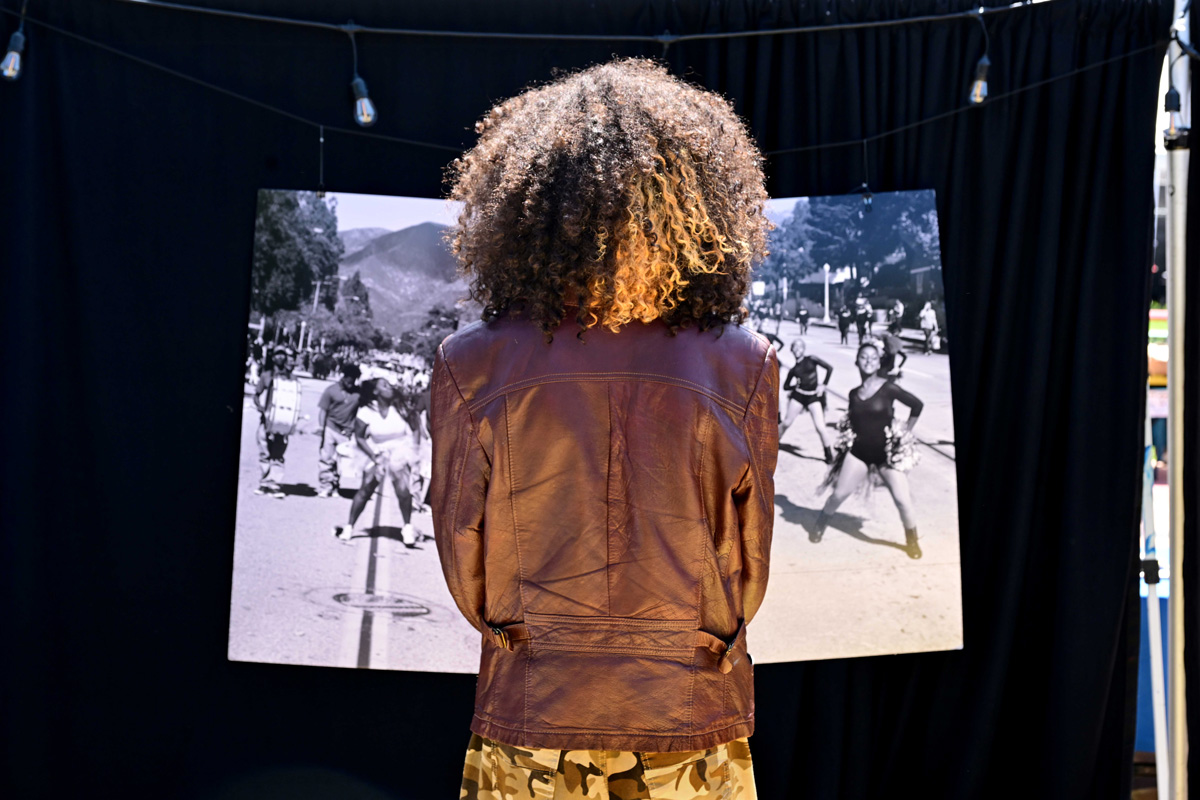
The event at the Metropolitan Baptist Church in Altadena this year drew throngs of neighbors and friends who embraced each other in hugs, enjoyed live music and dance, snacked on BBQ ribs and browsed booths selling African-themed clothing, jewelry and other wares. An altar set up in the center of the grounds featured affirmations of hope, love and joy written on placards tied to tree branches and poems of strength by Langston Hughes and Maya Angelou.
But this Juneteenth also marked a sobering moment: the 18-month anniversary of the Eaton Fire, which destroyed 9,400 structures and displaced thousands of residents as it tore through Altadena and Pasadena. The Black community was disproportionately hurt, according to a UCLA study that found that nearly half of Black households in Altadena were destroyed or sustained major damage compared with 38% of non-Black neighbors.
The nexus between the two events, underscoring the recurring challenges of racial injustice over the decades, was called out by some speakers.
“This Eaton Fire is a microcosm of the obstacles that minorities and Black Americans still face in this country,” said Nathaniel Mack, an attorney with Justice for 626, a group leading wildfire litigation against Southern California Edison. “Just like during the Emancipation Proclamation, where they declared we were free, we were still prohibited from owning land, from having access to work and certain resources.
“Fast forward all the way to 2026,” he added, “and we have this catastrophe in Altadena, and you see that certain communities are still facing challenges when it comes to access to resources, response time during the emergency and support as they attempt to rebuild.”
For Pastor Anthony McFarland and his wife, Micheline, the Juneteenth celebration and the Eaton Fire anniversary stirred both feelings of hope and hurt. The couple had lived in their Altadena home on Altadena Drive for 32 years, raising two daughters there; one of their six grandchildren lived with them the day the fires roared through the canyon and destroyed everything they owned. They had left their house early that January 7 because of the high winds, but thought they would be back so didn’t bring valuables with them.
The couple, like so many other survivors, had problems securing alternative housing during the rebuild process and are paying rent on an apartment that is more than double the pre-wildfire market rate. They lament the loss and displacement of so many of their Black neighbors in West Altadena. The area has a rich history as a center of Black homeownership and middle-class prosperity after discriminatory housing practices elsewhere led many families to settle in what was an open, welcoming community. It was a place where generations of families grew up together, attending John Muir High School, shopping at Black-owned businesses, picking lemons and apricots from fruit trees that lined the streets.
But the McFarlands question whether the community will ever be the same again.
“It’s just kind of shattered and scattered,” Micheline McFarland said of the community.
The delays in emergency alerts, on-the-ground notifications and other support to West Altadena during the fires amounted to a catastrophic systemic failure, her husband said. He added that it reminded him of similar problems during the 2005 Hurricane Katrina, when government failures to address the inadequate flood-control system and evacuation plans in New Orleans disproportionately devastated the city’s largely Black community.
But the pastor, who ministers at LIFT International Church, which serves both Altadena and Pasadena, said he also found reason for hope embedded in the celebration of Juneteeth, which symbolizes liberation and renewal.
“We get to reimagine Altadena,” he said. “We get to start over from scratch, rebuild, restore, renew what the fire destroyed. It’s our responsibility in terms of action to demand that politicians and community leaders do the right thing, and that is to fix a broken system that was a part of the reason why we lost everything.”
The event featured several organizations offering services to wildfire survivors, including some supported by the California Community Foundation.
At one table, Eric Riley shared information about the Altadena People’s Plan, an initiative based on community input to create a vision for the town’s future. The effort is led by United Way’s Altadena Wildfire Response Coalition, composed of CCF grantees My Tribe Rise, Project Passion, Dena Heals and three technical advisers for legal services, communications and design.
At another table, Connie Aaron and Gina Riley handed out information about the Legacy Land Project, which they said provides help accessing housing, mental health services, legal aid and other resources.
My Tribe Rise, co-founded by Hughes and Victor Hodgson in 2019 to prevent gang violence, shifted into wildfire relief after the Eaton Fire. The nonprofit distributes grants to survivors and small businesses, along with groceries and other needed items; it also provides case management services and a biweekly “power luncheon” that brings together community members and service organizations.
Hughes, who emceed the event program, gave hugs and smiles to the many neighbors who lined up to greet her and announced $150,000 in scholarships and grants to students, small businesses and wildfire survivors.
Despite the challenges, she said, the Juneteenth gathering highlighted the community’s resilience and cohesion.
“I feel like we have put courage in one another,” she said. “We were displaced all over the nation but today we see our neighbors gathered together here. This is community building. This is power.”
– Teresa Watanabe