AAPI Mental Health Needs Often Go Unrecognized. CCF Grantees are Changing That
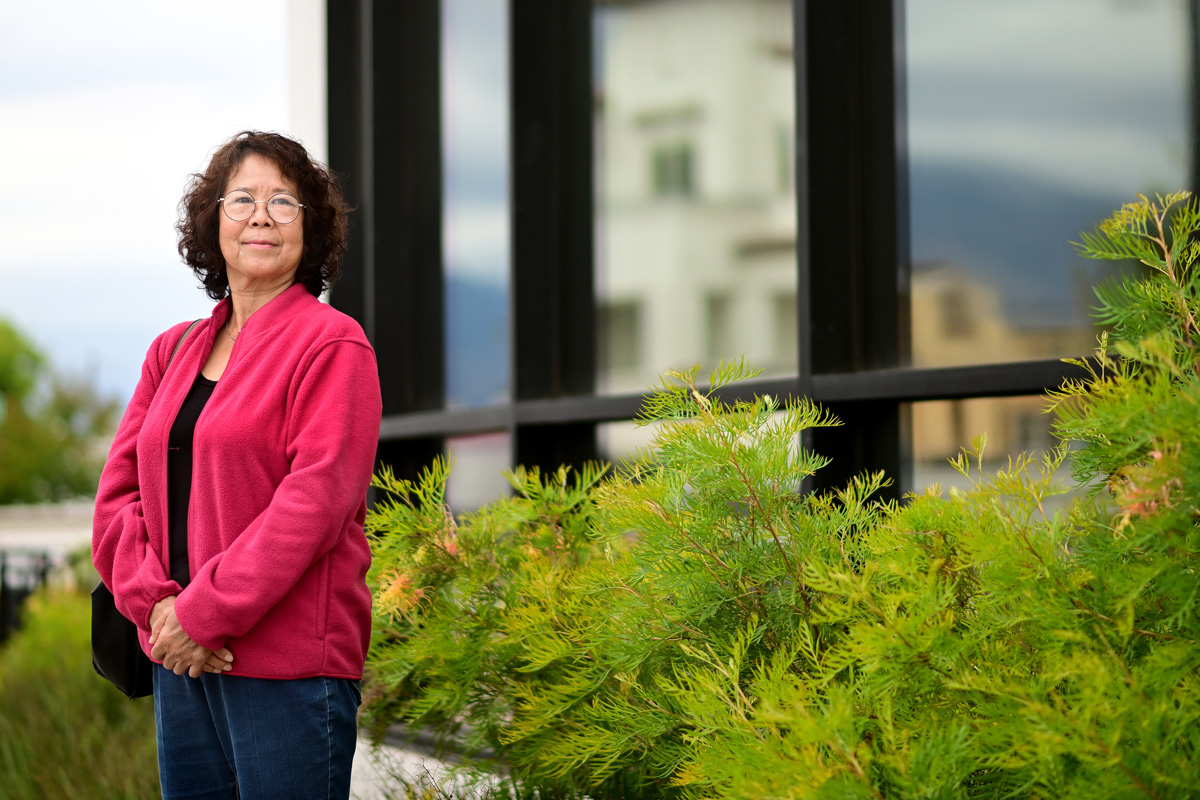
More than a year after Mena Liu fled her Pasadena apartment building as the Eaton Fire bore down, she knows she’s not fully recovered. She’s sad. She’s anxious. She still avoids driving past burned out lots in her neighborhood.
And when Liu heard cries of “fire!” last month after the apartment unit above hers filled with smoke, she raced outside in pajamas, her heart racing and skin tingling with fear.
“The fire in my mind is deep, I’m so scared,” Liu said in a recent interview.
But the Chinese immigrant says she hasn’t sought therapy to help her process her experience and ease her mental health struggles. That’s not uncommon among Asian Americans and Pacific Islanders, who have the lowest “help-seeking” behavior among all demographic groups amid perceptions that doing so would stigmatize them, cultural values to endure and a tendency to downplay personal hardship to avoid burdening others, experts say.
The literal translation of mental health in Chinese is “a disease in the head,” said Jack Cheng, chief operating officer of the Chinatown Service Center.
“For the API community, mental health is a huge stigma…this whole idea is that it’s a disease in your head or that you’re crazy – and nobody wants to think they’re crazy,” Cheng said.
The Chinatown Service Center, along with the Little Tokyo Service Center and other AAPI nonprofits supported by the California Community Foundation (CCF), work around those challenges. LTSC, which received a CCF wildfire recovery grant last year, found that bringing in community members by offering meals and other services often resulted in emotional openings.
At food distributions, workshops and a mural painting project throughout last year at the Pasadena Buddhist Temple and other venues, some community members who would not sign up for professional help ended up sharing their trauma with other survivors or pouring out their anxieties to therapists who walked them to the parking lot, said Peter Gee, LTSC co-executive director. He said people were willing to come to practical workshops, such as navigating the insurance process, then would open up about their mental health.

LTSC was able to serve more than 1,000 people with its CCF wildfire recovery grant, Gee said, but the needs remain even as the funding has run out. Many community members say they’re fine, even when they’re not, and often forgo help because they say they are better off than others.
Liu, for instance, said she is “lucky” compared to acquaintances she met at the Altadena Senior Center who lost their homes to the Eaton flames. She said she prefers supporting others with needs rather than dwelling on her own.
“You talk to somebody…you will hurt again and again,” she said. “So I chose not to talk with somebody.”
The hesitancy to articulate their needs, along with lack of public understanding about wide disparities among AAPI subgroups, are some factors that contribute to an inaccurate perception of community well-being, experts said. In 2023, for instance a state grant program aimed at youth suicide prevention required a focus on Black, Latine, American Indians and Alaska native populations – excluding AAPI young people. AAPI nonprofits successfully campaigned for inclusion, providing research evidence that showed their community youth had the highest rate of suicide ideation among all demographic groups, Gee said.
LTSC and CSC have been in the forefront of changing those perceptions and offering culturally competent care in the AAPI community. Liu said CSC was instrumental in helping her during the Eaton Fire last year; when flames and smoke filled the air, a staff person called her and, in her native Cantonese language, urged her to evacuate. That language assistance has been crucial.
In a research project with UCLA over the past year, CSC found that Chinese immigrants face systemic barriers in wildfire preparedness and recovery, including linguistic exclusion from major alert systems. Watch Duty, 211LA, NotifyLA all provide information primarily in English and Spanish, although more than 433,000 people of Chinese descent live in Los Angeles County – 5% of the area’s population and the largest such concentration in the nation. In focus groups with immigrants, CSC learned that many of them used unreliable translations apps and were unaware that NotifyLA required pre-registration.
CSC also found a shortage of culturally appropriate mental health care providers, with focus group participants identifying only two bilingual psychologists in Pasadena who were fluent in Cantonese and Mandarin.
Seniors and newly arrived immigrants were at a particular disadvantage, as they were often flummoxed by how to use technology and navigate government bureaucracy to secure aid. Liu, for instance, said she tried to apply for emergency housing assistance from the Federal Emergency Management Agency on her own but only when CSC stepped in to help did FEMA come through with a motel voucher after she couchsurfed with friends for two weeks. She was able to stay in the Pasadena motel for another two weeks before returning to her apartment – even though it remained without potable water.
To tackle the myriad needs, CSC aims to create a unified Chinese language information platform; the center already offers services in several languages and dialects, including English, Mandarin, Cantonese, Toisan/Taishanese, Chiu Chow/Teochew, Vietnamese, Spanish, Khmer and Lao.
The center also plans to work with disaster preparedness trainers to adapt their programs for AAPI immigrants as other first steps. Overall, the center served about 450 wildfire survivors with its CCF grant last year and will serve more with a new grant to support their healing and recovery.
CSC, founded in 1971 as a social services center, has expanded into comprehensive health services today. It also offers a youth center, immigration services and help with job searches and economic development at its four facilities in Chinatown, Monterey Park and Alhambra serving 30,000 people annually with 400 staff members. In 2020, it became one of the first federally designated Certified Community Behavioral Health Clinics in California, specializing in comprehensive, 24/7 mental health and substance abuse services regardless of ability to pay. The vast majority of participants are low-income Medi-Cal recipients.
That expertise was critically important during the 2023 mass shooting in Monterey Park, where a gunman killed 11 people and injured nine others at a Chinese-owned dance studio following a daylong Lunar New Year festival. CSC scrambled to provide interpreters, mental health assistance and other services; staff members are still working with 37 survivors of the massacre.
CSC will often offer traditional practices such as Qigong and tai chi that many Chinese immigrants are familiar with rather than head-on mental health counseling, said Nina Yuen-Loc, CSC’s chief behavioral health officer. In early May, CSC offered a free community event, “Healing with the Senses,” that featured mind-body practices to cultivate emotional wellness – including herbal tea tasting, acupressure, mindfulness meditation, aromatherapy and art and music therapy.
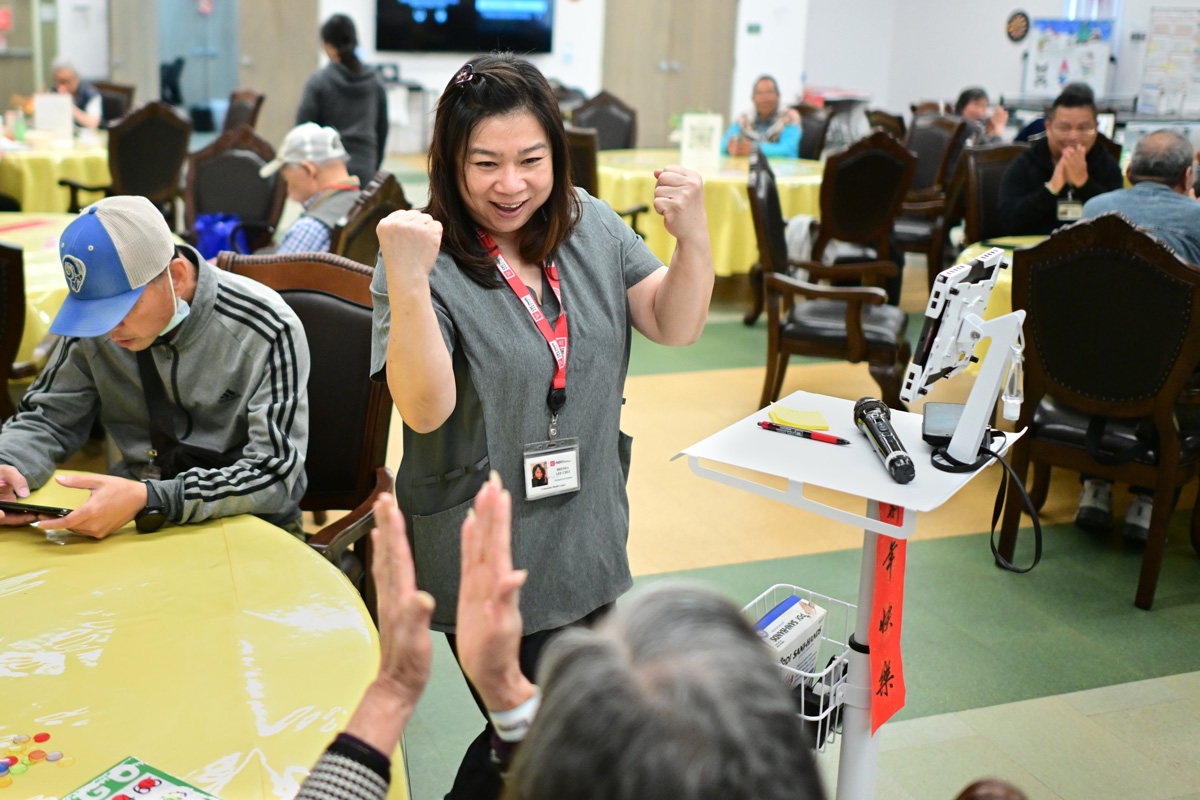
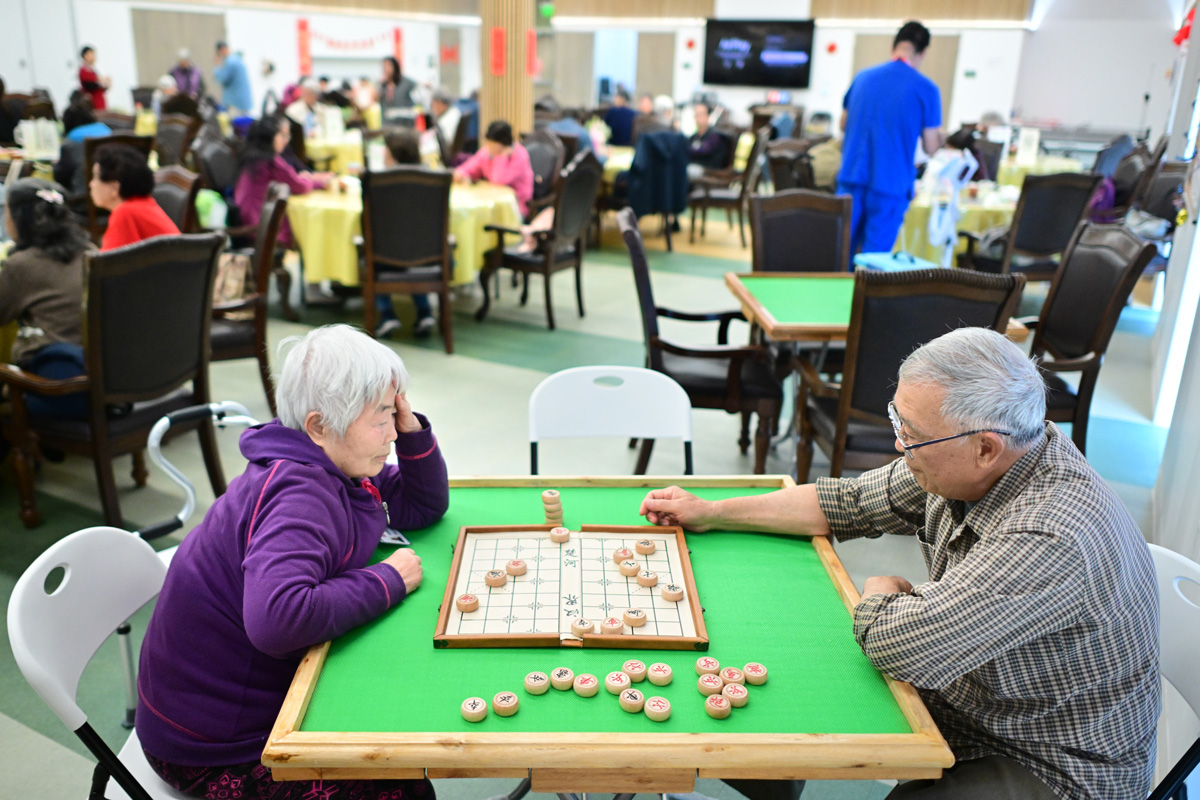
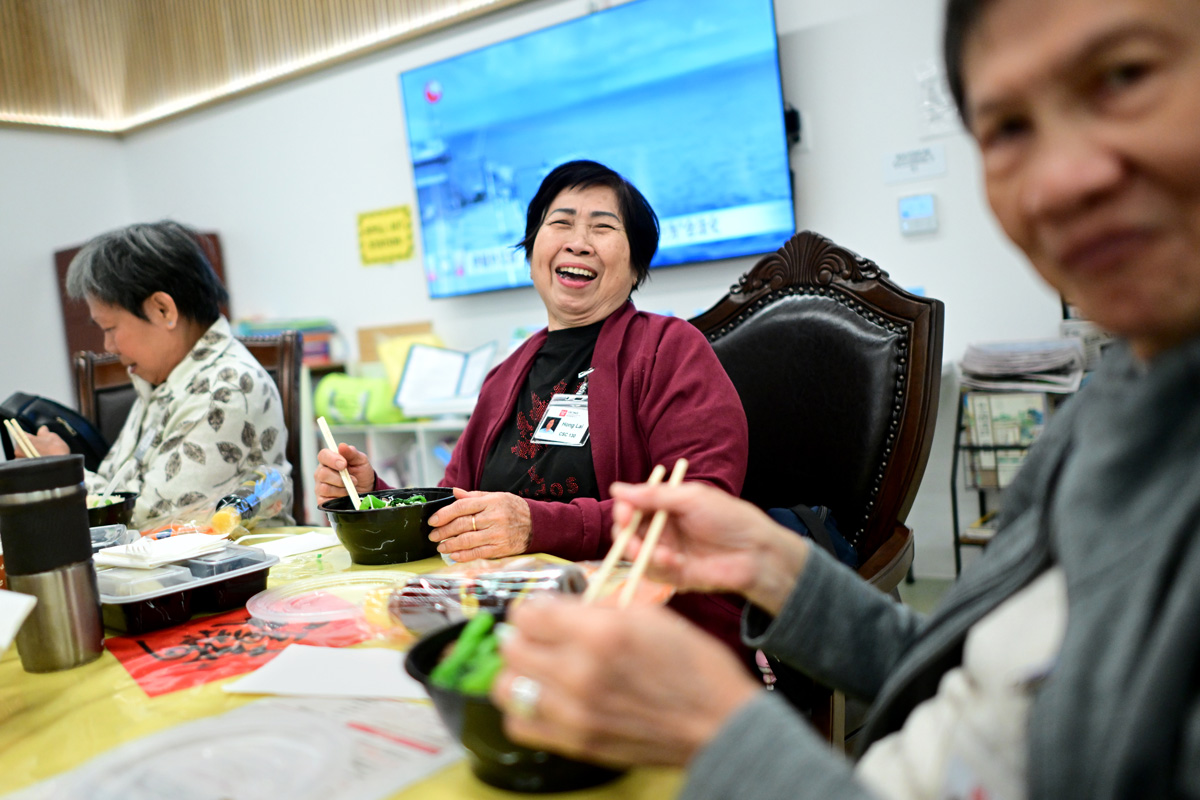
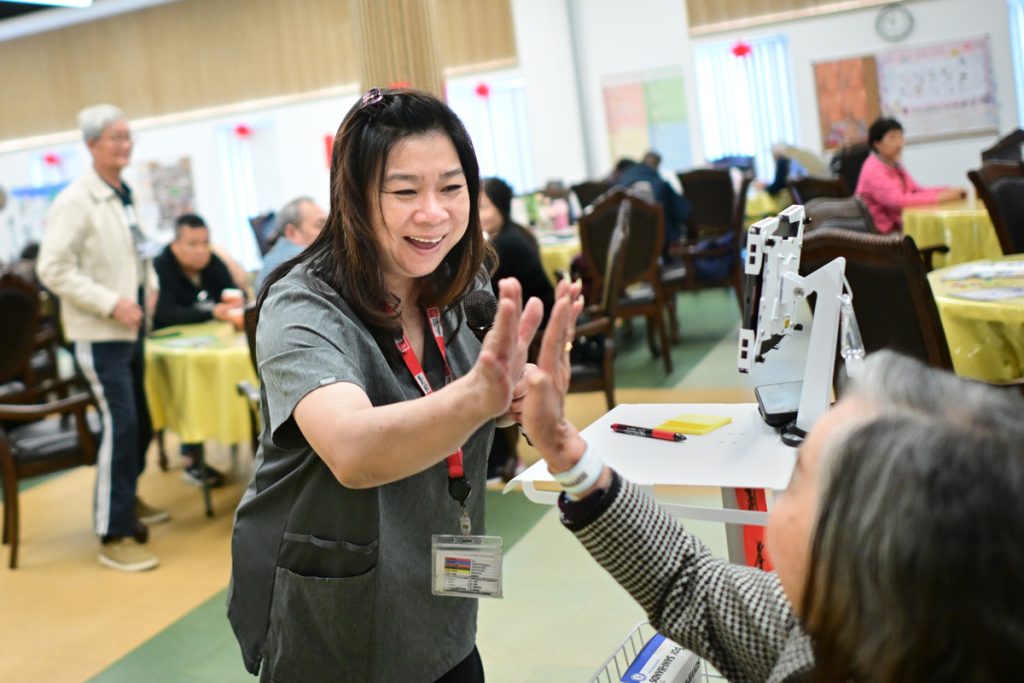
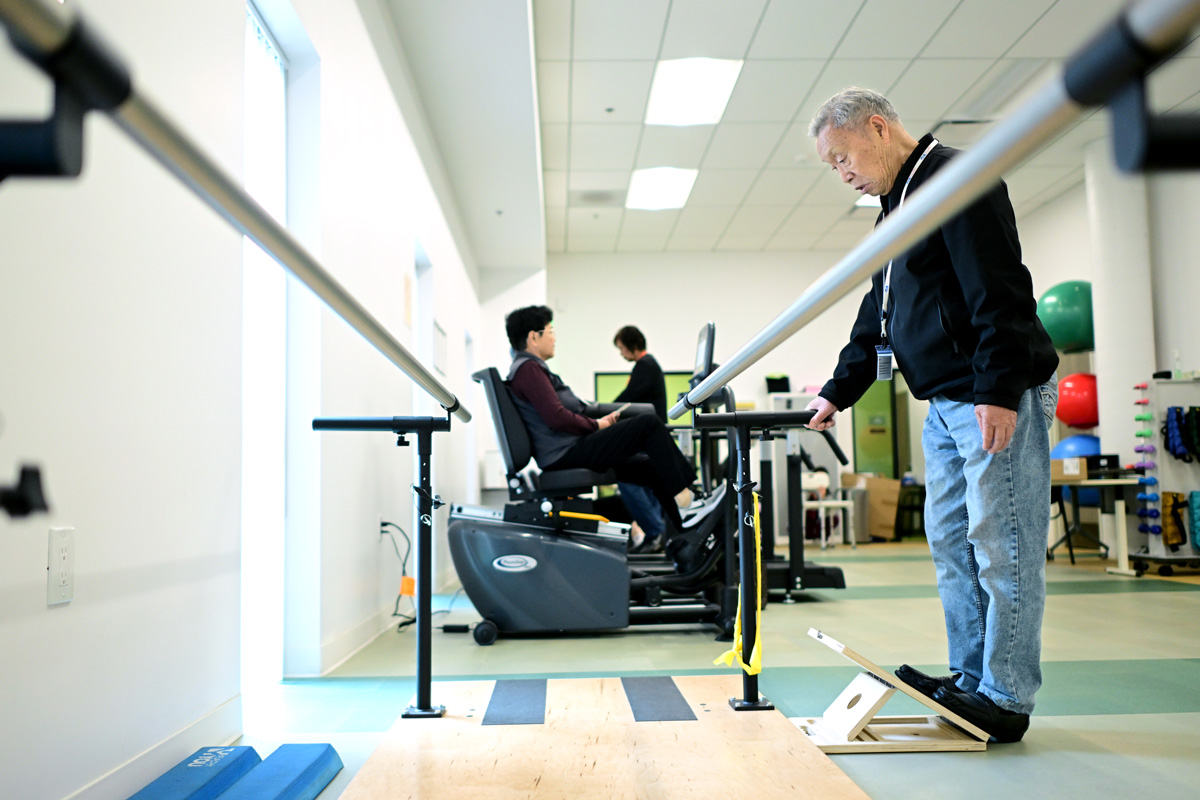
CSC is also helping restore mental health in other ways – including community activities at its sparkling new senior assistance center in Alhambra. The center houses its Program of All-Inclusive Care for the Elderly, which provides one-stop comprehensive medical and social services to certain frail seniors who are still living in their homes but come to CSC for meals, medical checks, dental treatments, physical therapy and all-important social interaction. CSC vans provide round-trip transportation.
On a recent weekday, the center was filled with seniors enjoying ping pong, bingo, karaoke, English lessons and conversations in myriad languages. Speakers of similar languages are grouped together in the large and light-filled day room to promote conversation.
The vast majority of the program’s 149 participants are Chinese, but there also are tables for speakers of English and Vietnamese.
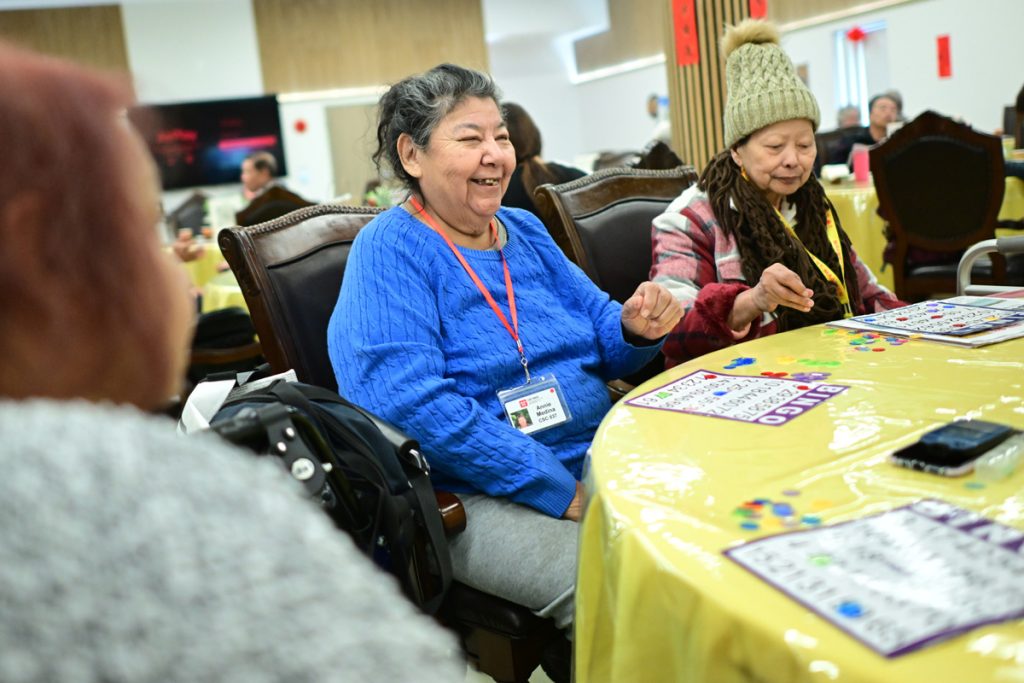
Cheng said social isolation is a key issue for many seniors, but the PACE center offers opportunities for friendships and many participants report being happier after starting the program. They include Adeline Gaw, from Myanmar, and Annie Medina, a Mexican American, who chatted away in English over eggs and fruit, then dove into a bingo game. They come for medical checks but love the social camaraderie.
“We need this,” said Gaw, who lives alone. “It gets your mind out of your house. We all get together and talk. You want to stay and interact.”
“We’re family here,” Medina said. “We take care of each other.”
– Teresa Watanabe