St. John’s Community Health Offers a Safety Net of Healing – and Hope
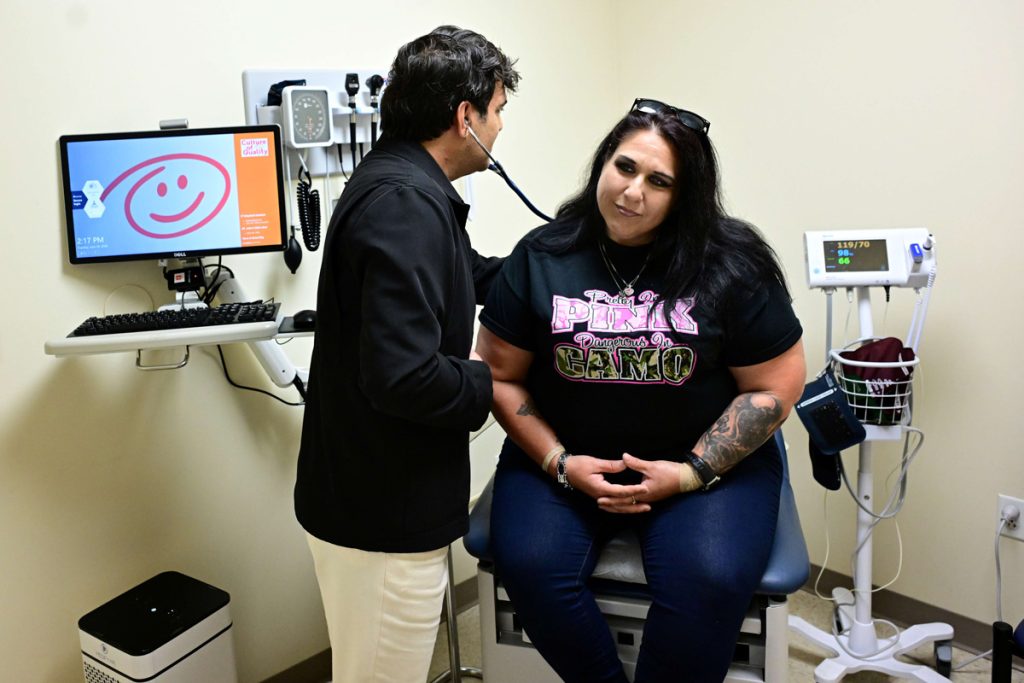
Carol James was dizzy and breaking out in painful spots on her skin. Uninsured, she went to a hospital emergency room but walked out after two hours of fruitless waiting. Then she went to a St. John’s Community Health clinic in South Los Angeles – and her life changed.
She said the St. John’s staff gave her a warm welcome, prompt attention and a battery of tests. The doctor told her that her blood sugar levels were dangerously high – risking amputation, blindness and other complications – and she needed urgent treatment for diabetes. With the staff’s direction and encouragement, James learned about healthy eating through the clinic’s nutrition classes; radically changed her diet, cutting out junk food and sodas; and began taking regular walks.
Today, James has dramatically improved her health. She’s cut her blood sugar levels in half to a normal range. She’s dropped 123 pounds – from 275 to 152, she said, as she stood up and twirled around to show off her trimmed down shape. It took 20 years but St. John’s has been with her all the way, she said, with constant caring and support.
“They put me in their hands,” James said. “I’m a newborn person.”
In six decades, St. John’s Community Health has grown from a volunteer-run pediatric clinic in South Los Angeles to one of the largest nonprofit community health systems in Southern California. The organization, supported by the California Community Foundation, provides comprehensive care to underserved communities in Los Angeles, Riverside and San Bernardino counties at 23 health centers and five mobile clinics. The network serves 150,000 patients in 550,000 visits each year.
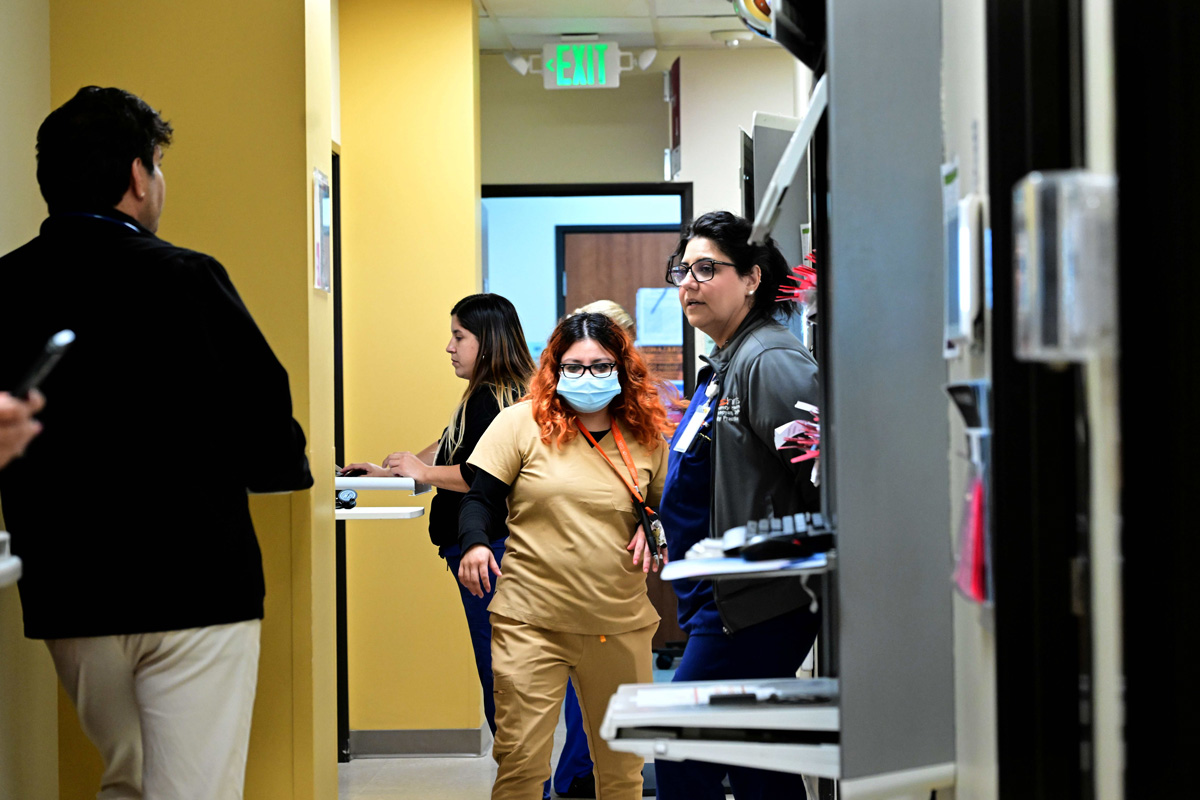
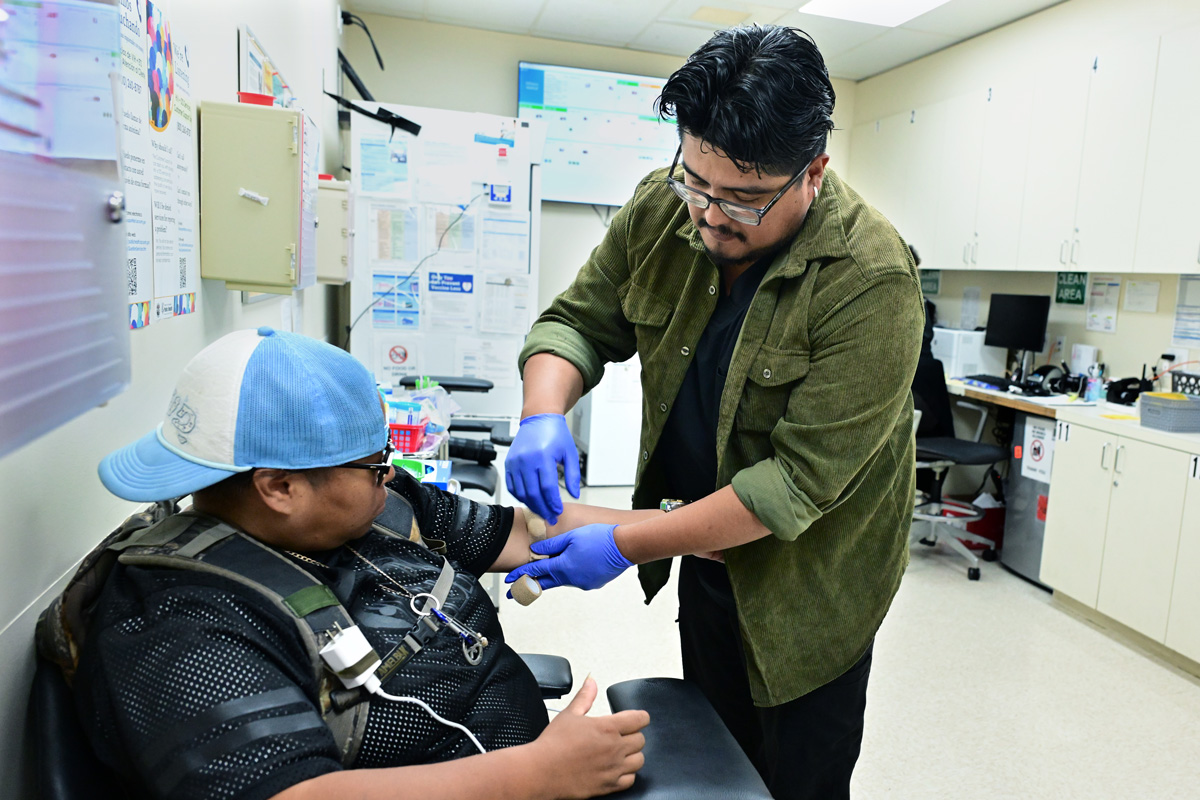
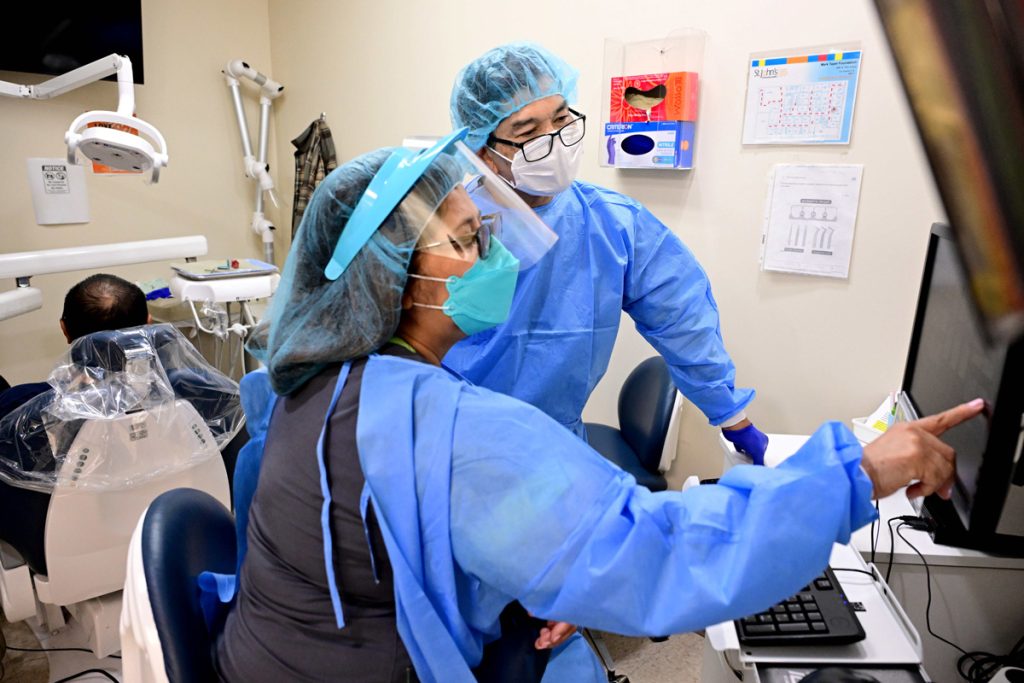
During a recent visit, the South L.A. clinic bustled with energy as patients sat for lab tests, teeth cleanings and other services. The clinic offers a comprehensive menu of services, including primary care, chronic disease management, mental health, optometry, podiatry, lab and pharmacy and gender-affirming care. St. John’s also offers support to enroll in health insurance, find housing and food, access legal and social services and care coordination for patients experiencing homelessness or other complex challenges.
Most patients are low-income and about one-third are immigrants. St. John’s staff collectively speak 23 other languages beyond English and Spanish, including all major Asian languages, Thai, Turkish, Burmese, Arabic, Armenian and Italian.
St. John’s President and CEO Jim Mangia said he is especially proud of the organization’s ability to respond quickly to public health crises. Case in point: the June 17 Boyle Heights warehouse fire, which spewed toxic smoke into the area and prompted a shelter-in-place order for tens of thousands of residents. St. John’s jumped into action, working with CCF and other community partners to distribute 41,000 masks and 2800 air purifiers within the first five days. The health center also sent out its five mobile units to treat residents for their swollen throats, persistent coughs, breathing problems and irritated eyes.
“People were very, very sick,” Mangia said. “I just thank God we were able to be there and deploy all those resources.”
St. John’s also took on what many viewed as an impossible task: a Los Angeles County ballot measure campaign to support as many as 700,000 Angelenos facing the loss of their health care due to deep federal and state budget cuts and policy changes. The June ballot measure passed – just barely, by 50.8% – as Mangia spearheaded a winning coalition of supporters that included CCF, hospitals, doctors and labor unions.
“We weren’t going to go down without a fight,” he said. “We weren’t going to just let the feds and the state destroy the safety net in L.A. County.”
As it turned out, a state budget compromise reached a few weeks later helped avert much of the potential damage. Proposals to impose new Medi-Cal premiums, eliminate dental coverage for most undocumented adults and sharply reduce the state payment rate to community health clinics are off the table – at least for now.
Mangia said the $1 billion raised through the ballot measure’s five-year, half-cent sales tax increase could preserve health care for about 150,000 Angelenos who would otherwise lose it due to the federal changes.
“Between the state budget compromise and measure ER, we have dodged the worst of the cuts and the biggest impact it would have had on low-income families,” Mangia said. “The overarching message is that the safety net is worth supporting and fighting for.”
That commitment to health equity for underserved communities is a hallmark of St. John’s. Patients laud the quality and breadth of care, which is extended to all regardless of ability to pay or immigration status. James, for instance, barely made $100 a week helping a relative at a beauty salon when she first went to St. John’s, but has received comprehensive care, including a root canal and her first-ever dental deep cleaning.
Brandi Higgins came to the health center with a longstanding case of Hepatitis C, a viral infection that primarily attacks the liver. She said doctors who treated her in other states did so in a perfunctory manner but St. John’s staff gave her attentive care for the first time. The doctor took time to thoroughly explain her condition, offer a variety of treatments – then asked about her living circumstances. When she told him she had just lost her job and was facing eviction, he connected her with the health center’s resource team who lined her up with housing.
“He said they were going to help me get stable,” Higgins said. “I actually felt like I mattered after so many years of not mattering.”
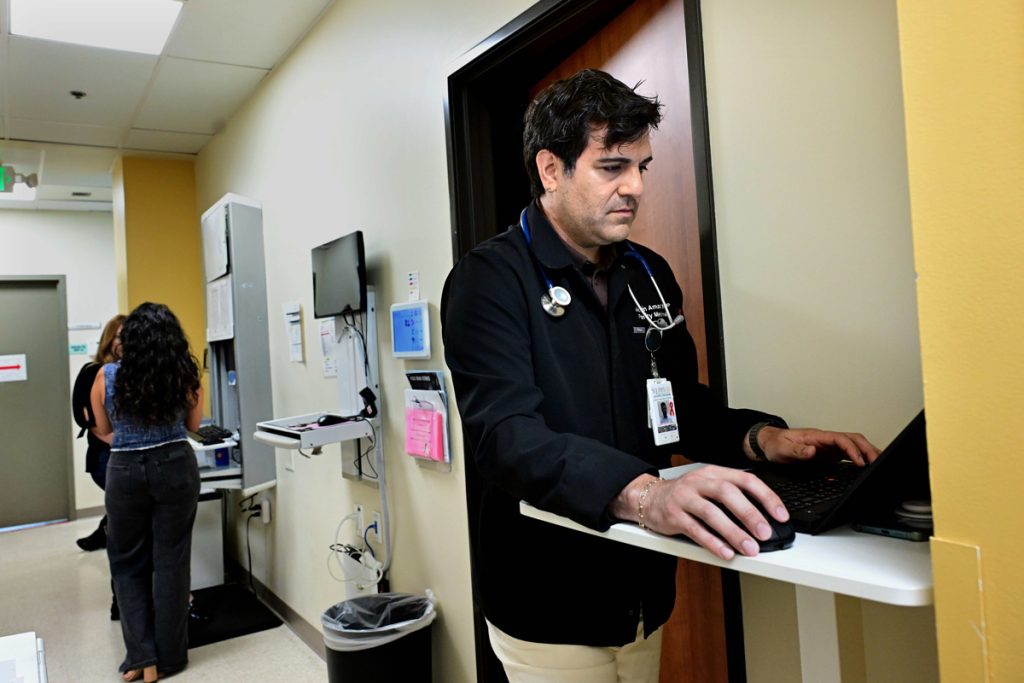
Justin Amador, a St. John’s nurse practitioner, said the community health center’s ethos of compassionate care, especially for those in marginalized communities, drew him to join about a decade ago. He had worked for a for-profit medical organization but became disillusioned, he said, by its “nickling and diming” of patients.
At St. John’s, he’s able to get to know his patients and build trusting relationships. He recently noticed one of them had started losing his memory and letting his hygiene slip; Amador was able to coax the reticent man to share information about his life. Amador then helped the man connect with his son, who was unaware of his father’s conditions but is now involved in his care for prostate cancer. St. John’s has also helped the patient access in-home support services, meal delivery and transportation to his appointments.
That quality of care is why James has become one of St. John’s major evangelists. She said she has told thousands of relatives, friends and acquaintances about the center over the years.
“When you walk through the door, they welcome you and work with you,” she said. “I was halfway dead, but now I’m back.”
– Teresa Watanabe