Boyle Heights Fire Triggers Fear about Health, Jobs. Supporters Rally to Provide Aid
Charles Leonard saw a billowing cloud of black smoke rising in the air and stepped outside the Boyle Heights home where he works as a caregiver. He caught a sharp, acrid smell. He saw soot on the house and black splotches all over his white car. He wondered: What is in the air?
Anneisha Neal saw the afternoon sky turn dark, then received an alarming text from the Los Angeles Fire Department: Shelter in place due to “Toxic Smoke.”
“I thought I was going to die,” Neal said.
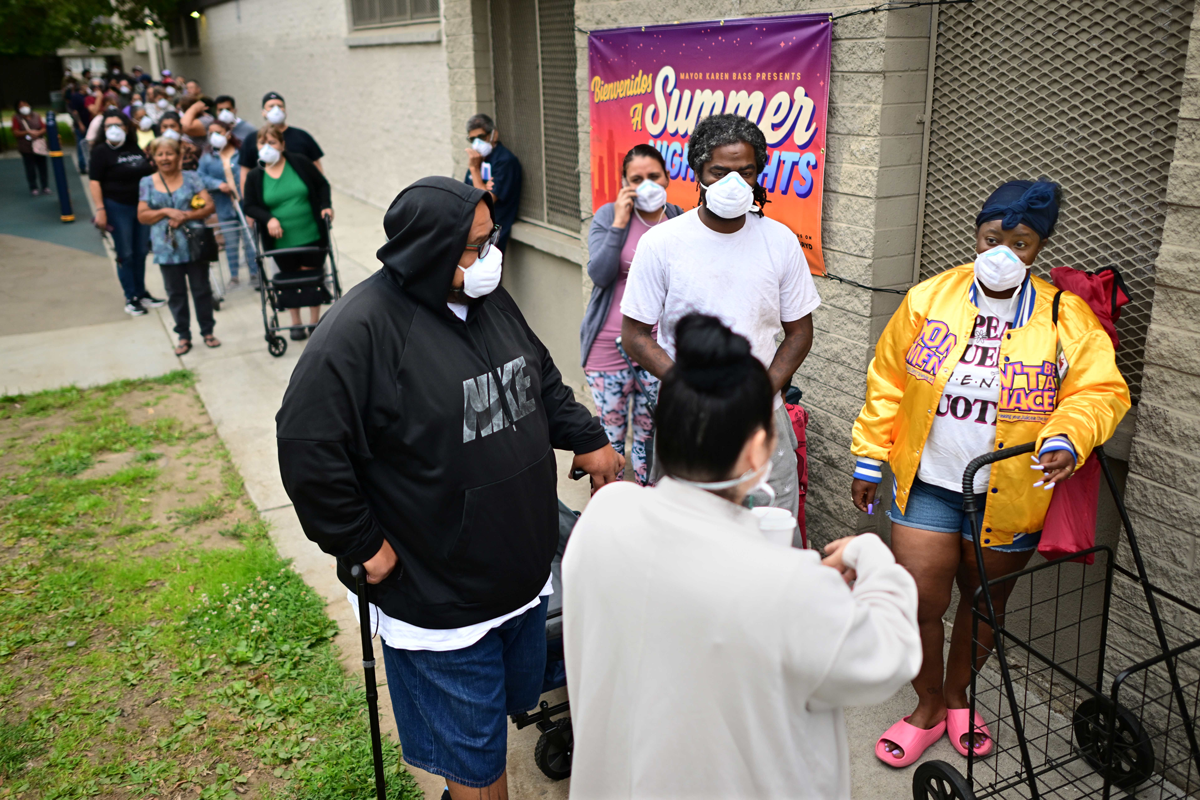
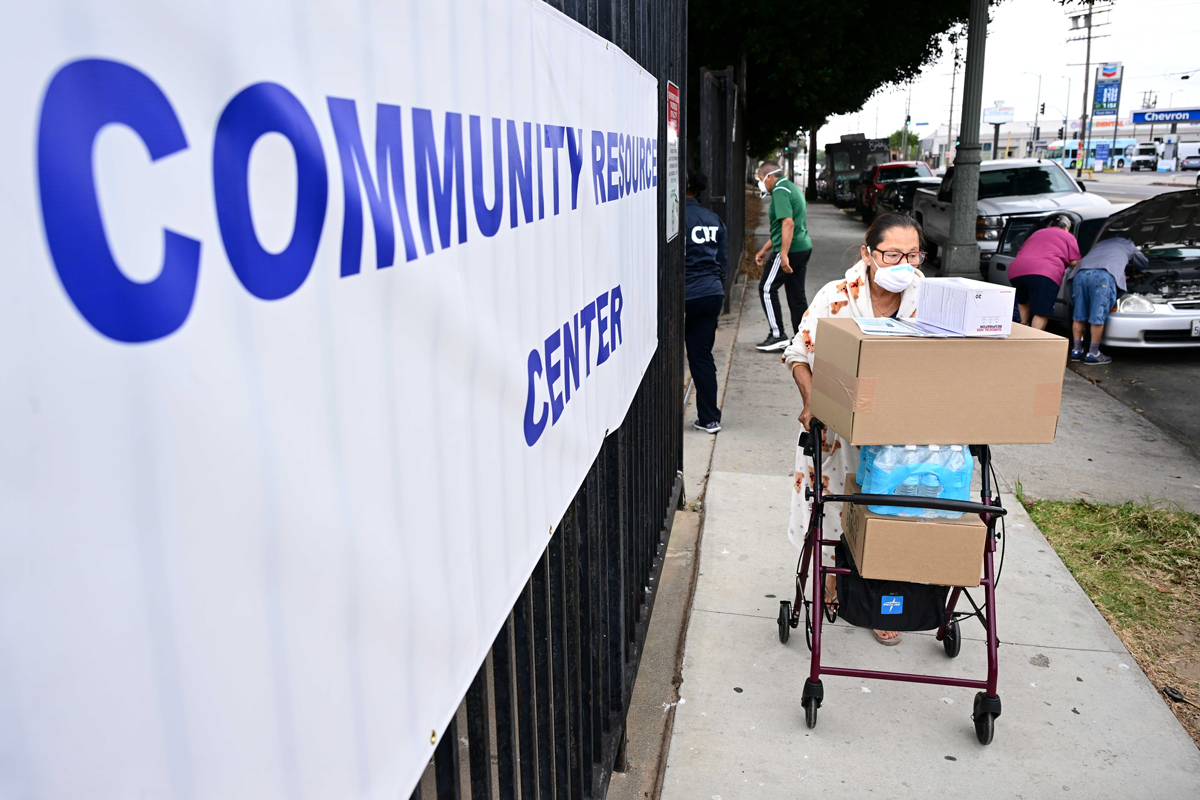
Leonard and Neal were among hundreds of residents in the Los Angeles Boyle Heights and Eastside neighborhoods who recently flocked to a City of Los Angeles resource center after a massive fire erupted at a cold-storage warehouse in the area on June 17. The top item sought: air purifiers.
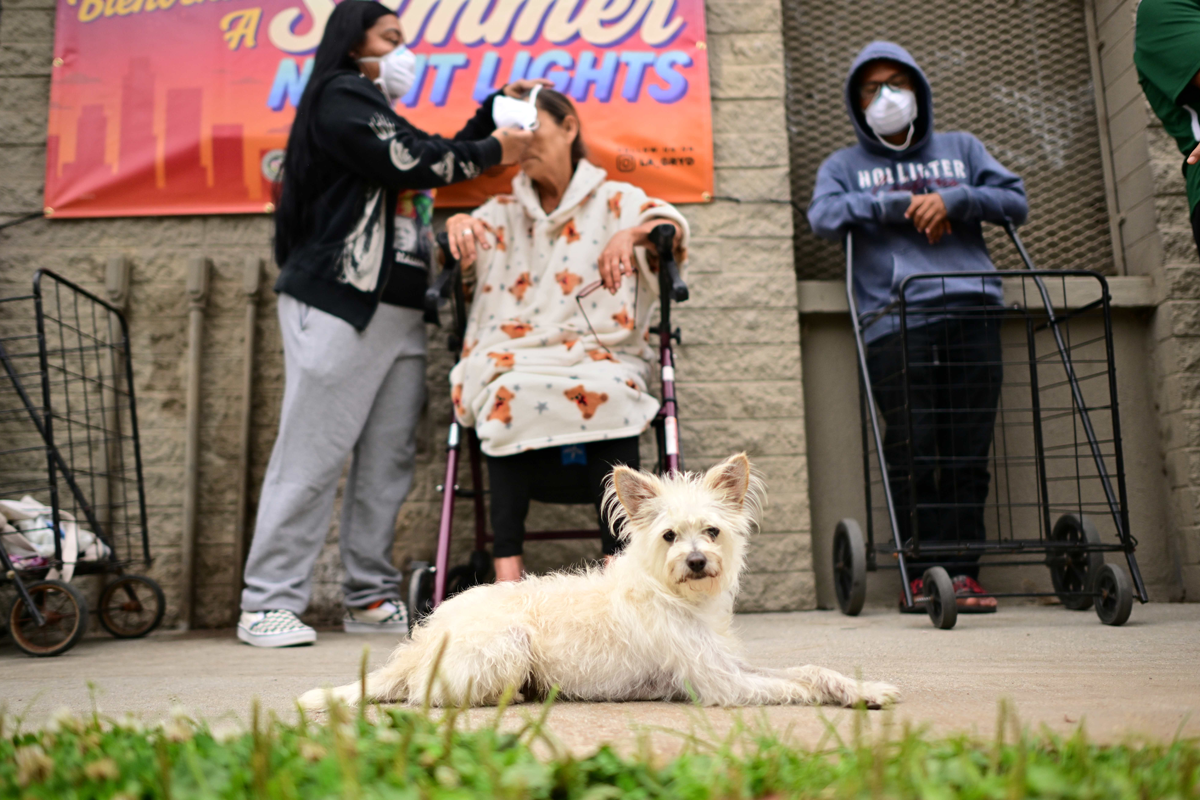
The fire, which triggered the release of heavy smoke and raised concerns about potential contaminants in the air, prompted an emergency alert to stay inside, close all windows and doors and shut off all air conditioning. As apartments and homes turned into cauldrons of muggy summer heat, residents scrambled to find air purifiers to filter out potentially harmful substances. Leonard said he fruitlessly called several places trying to secure one for his 72-year-old, wheelchair-bound client – and finally landed one at the resource center five days after the fire broke out, filling him with gratitude and relief.
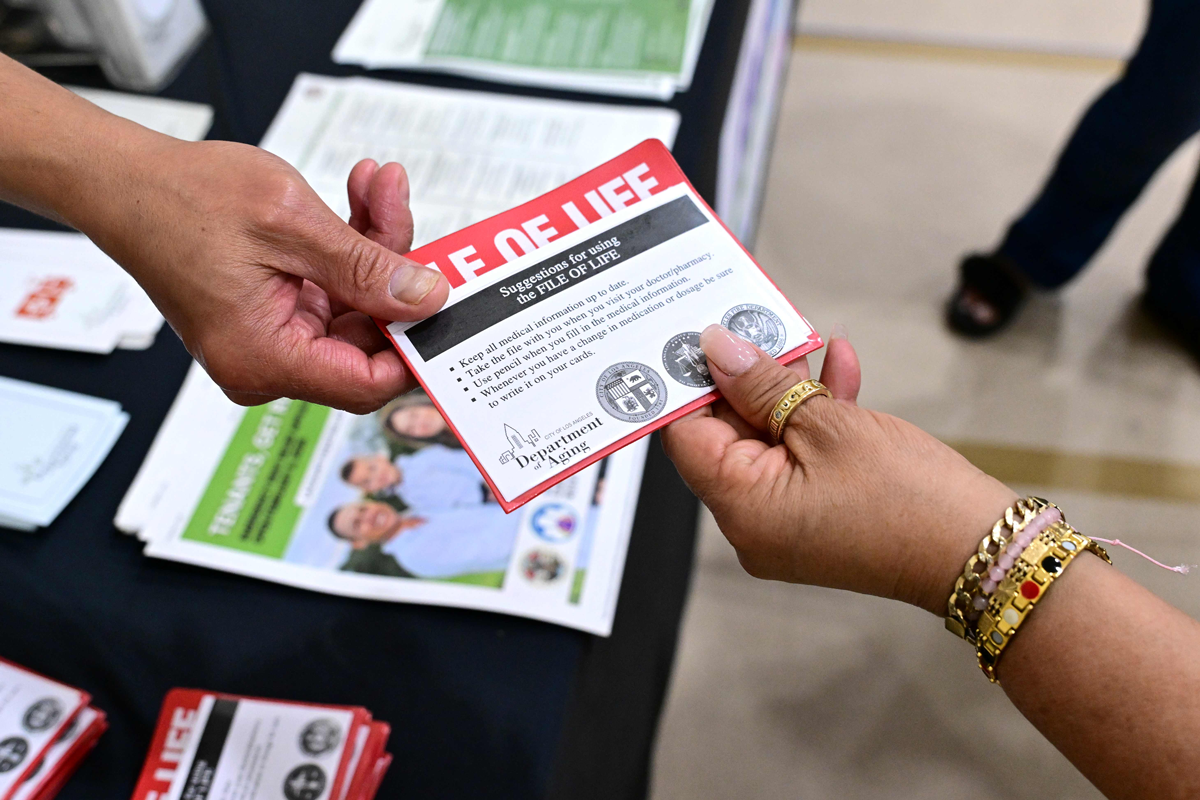
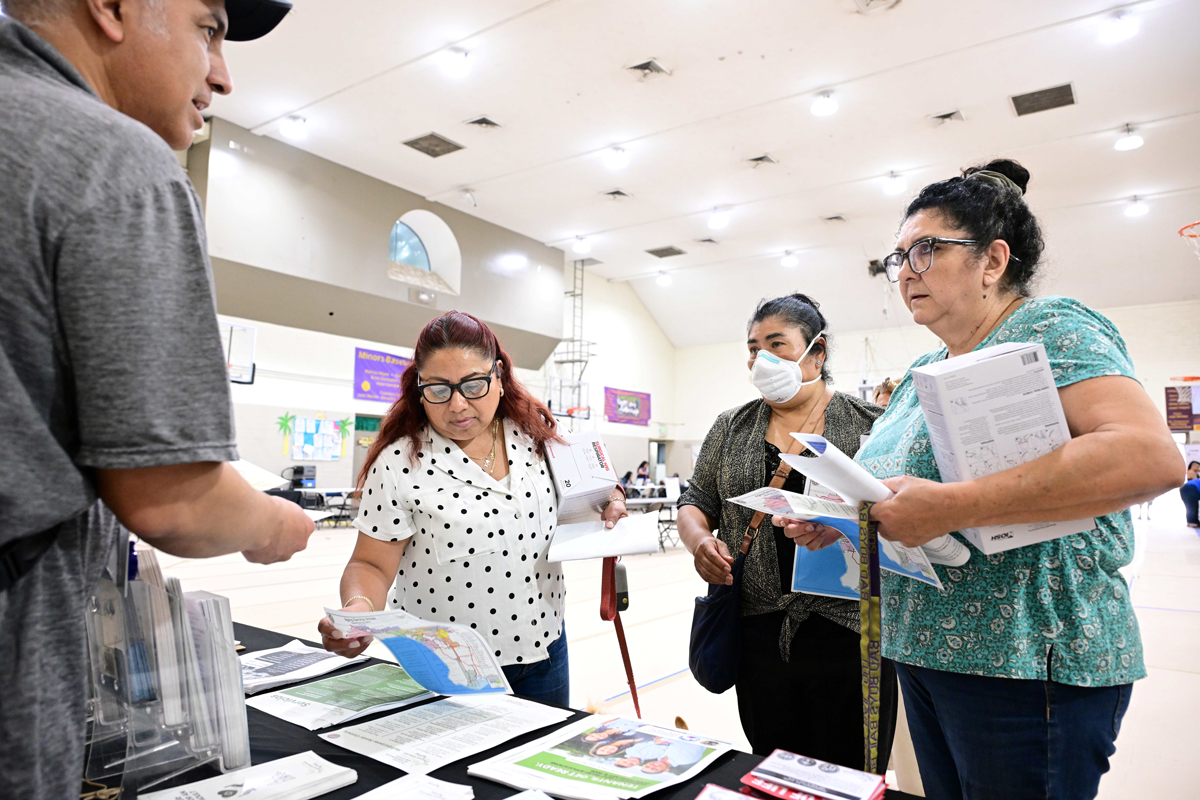
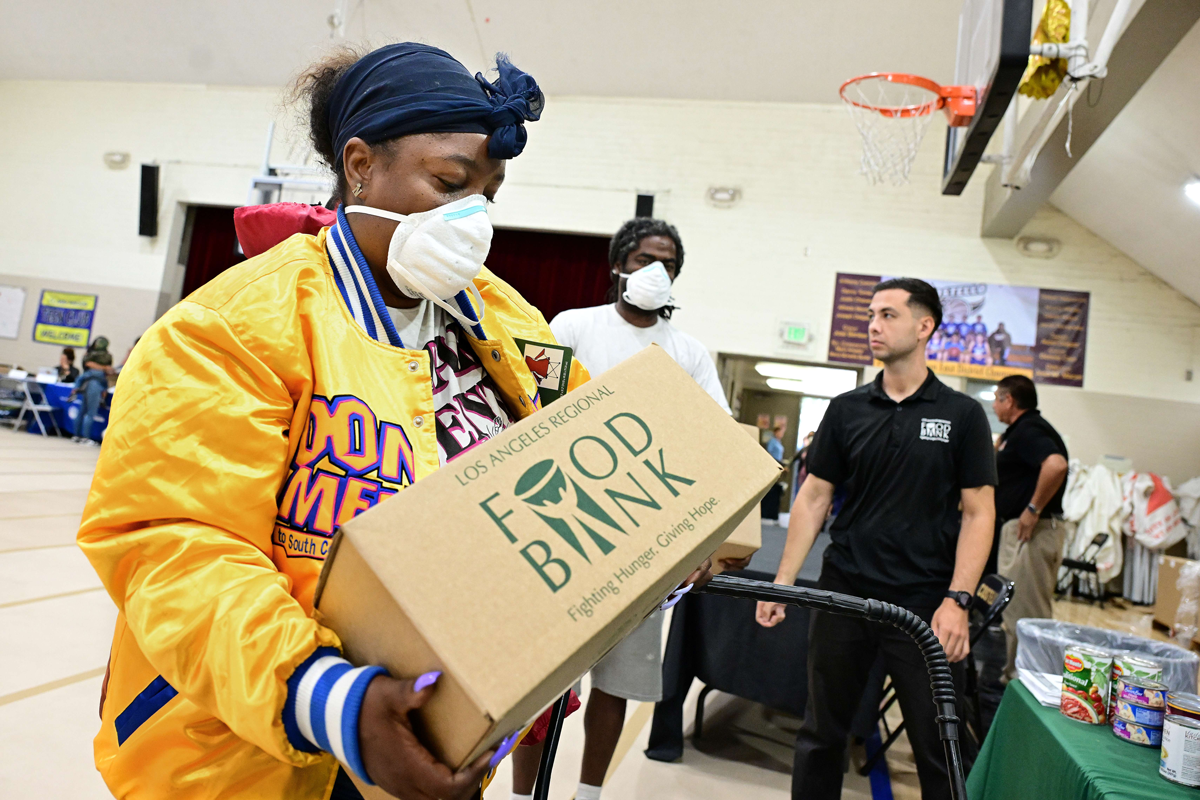
The center, set up at the Lou Costello Jr. Recreation Center on Olympic Boulevard, provided more than 1,000 air purifiers to neighbors who waited hours in line. Residents were also provided with cases of bottled water and food boxes filled with canned chicken, beans, soup, fruit, pasta and other items. City, county and community workers provided information about mental health support, emergency rent relief and other assistance.
“Not knowing what’s in the air, having to keep yourself locked up like you’re in quarantine has been tough,” Leonard said. “But they’re doing the best they can,” he said of city and county officials handling the disaster.
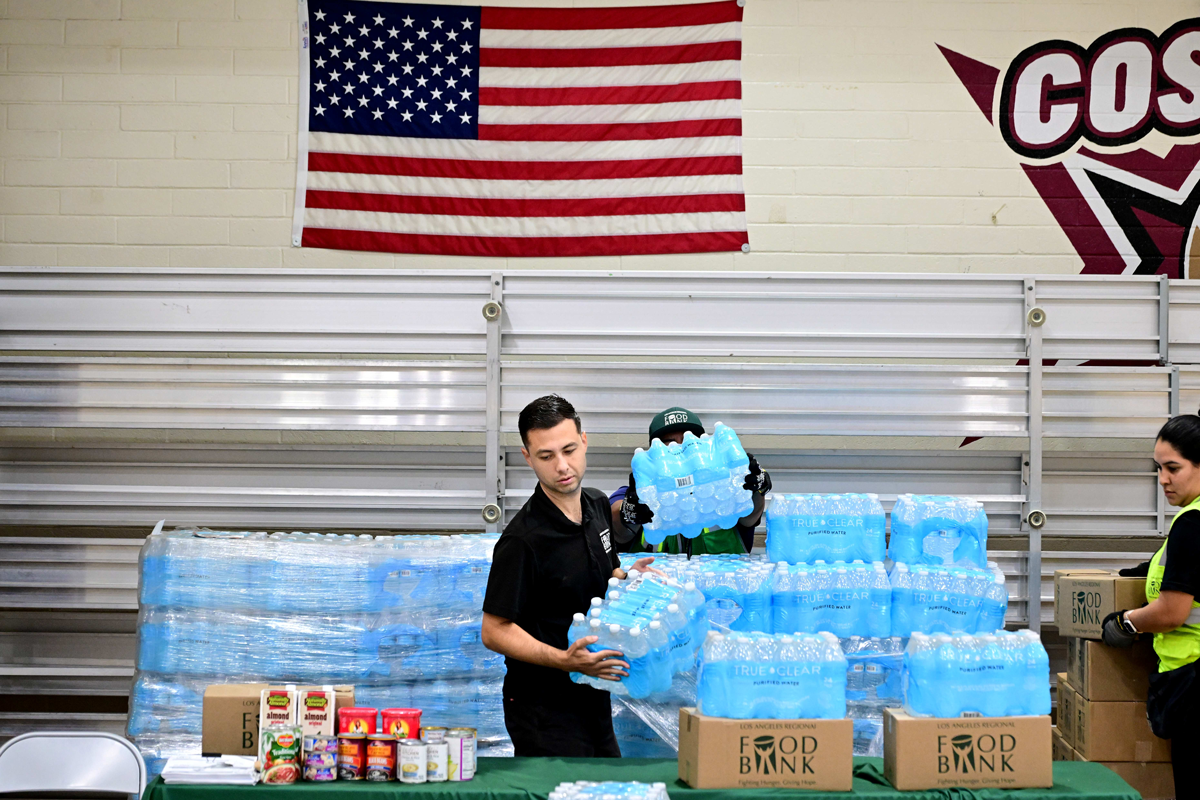
The California Community Foundation supported the purchase of air purifiers distributed at the city-organized event and also provided grants to more than 20 community organizations working with affected residents. CCF provided the funding from its newly launched Impact Fund, which is designed for quick and flexible grantmaking in response to urgent needs like the Boyle Heights warehouse fire. More than 60 donors supported the Impact Fund, including Lineage, which contributed $2 million. A second round of grants in coming weeks will focus on longer-term recovery efforts, including environmental assessments, tenant advocacy and other emerging community needs.
“As the community’s foundation, we are committed to stepping up when a crisis strikes,” said CCF President and CEO Miguel A. Santana. “Our Impact Fund was designed to give us the flexibility to deliver resources where they are needed most, in collaboration with our trusted community partners. We are grateful to all of our partners and donors, and encourage others to join us and support our neighbors during this difficult time.”
Nonprofits supported by the CCF grants have distributed air purifiers, masks and emergency cash for groceries, rent and other essentials to hundreds of residents. Additional support includes mental health care by Adventist Health White Memorial, veterinary services by HeartLA and education and outreach about asthma and smoke by Esperanza Community Housing.
St. John’s Community Health, which operates a network of 28 health centers across Los Angeles, San Bernardino and Riverside counties, immediately dispatched its five mobile clinics to the warehouse area and also treated patients at its two Boyle Heights sites. St. John’s President and CEO Jim Mangia said some patients could barely speak or breathe, displaying swollen throats, persistent coughs and pulmonary distress.
“I was very disturbed by how much people are suffering,” Mangia said. “People were very sick. They had a tremendous amount of anxiety and stress from worrying about their children and their health.”
With CCF support, St. John’s distributed 41,000 masks and 2,800 air purifiers in the first five days, along with inhalers to ease bronchial and lung inflammation. The center is continuing to distribute resources and is collecting baseline data to address the long-term health impacts of the fire, Mangia said.
Proyecto Pastoral at Dolores Mission, a nonprofit community organization based in Boyle Heights, has provided masks, air purifiers and food to those in need. A CCF grant will provide emergency aid for rent payments, said Raquel Roman, the nonprofit’s executive director. She said some residents have gotten sick from the fumes and are unable to work; others are bracing for high electricity bills from constantly running air purifiers.
The warehouse fire was the latest in a string of crises that have hit street vendors and small businesses supported by Inclusive Action for the City, a Los Angeles–based nonprofit that works to build economic opportunity in underinvested communities.
The pandemic, Eaton and Palisades fires, federal immigration raids and now the Boyle Heights warehouse disaster have delivered one blow after another to the financial stability of local entrepreneurs, said Marco Covarrubias, the nonprofit’s associate director for development.
Some have had to shut down their businesses; others report reduced revenue as foot traffic has declined with people limiting their outside activities, Covarrubias said.
Inclusive Action has launched an emergency cash assistance program, offering grants of $3,000 for brick-and-mortar businesses and $1,000 for street vendors. The fund, supported by CCF, has raised $370,000 so far and hopes to provide at least 150 grants. The application period is open until July 13.
Covarrubias said Inclusive Action is still running its grant program for vendors hurt by the ICE raids – marking a grim milestone of running two emergency assistance efforts simultaneously for the first time.
“Since COVID, we’re had back-to-back crises,” he said. “It’s been such a difficult time for small businesses in our city.”
– Teresa Watanabe