2026 Legislative Report Card: What Changed for Angelenos
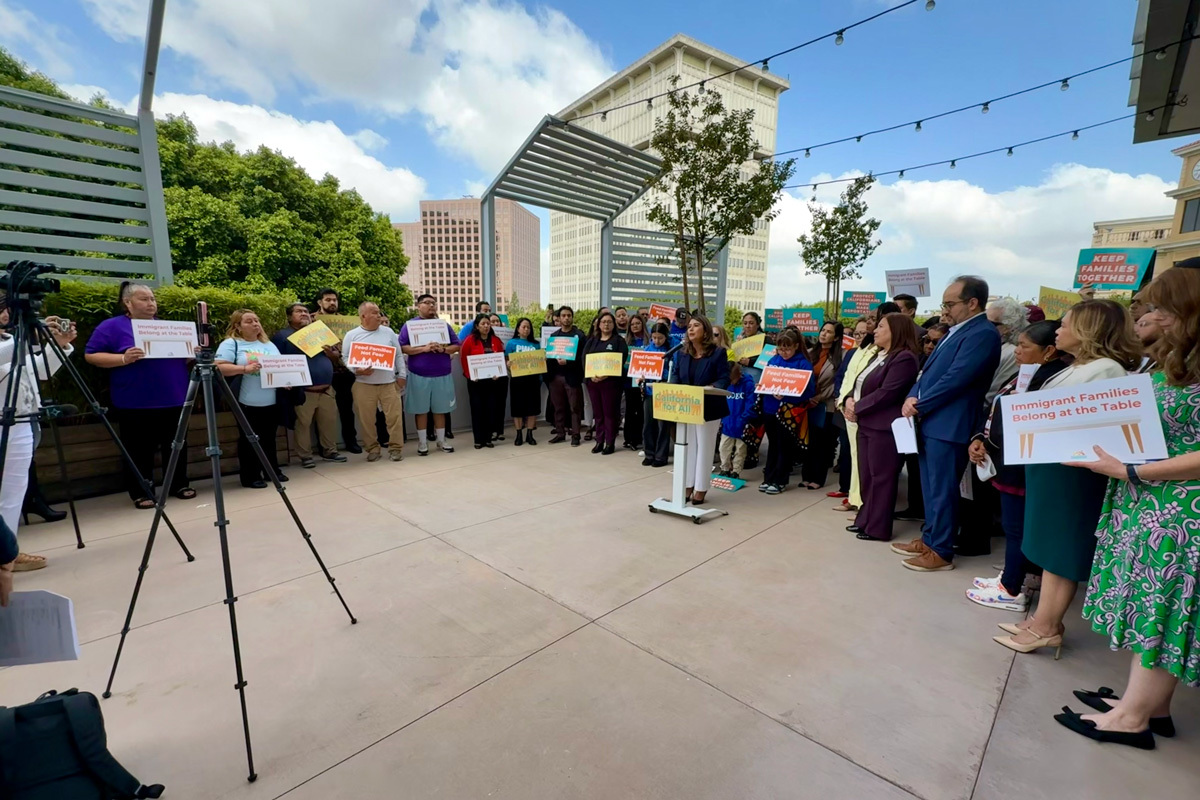
Across Los Angeles County, communities are confronting challenges spanning economic security and access to basic needs to civil rights, housing and environmental health.
In this past legislative season, several new state laws took aim at those barriers, advancing protections that could make a meaningful difference for Angelenos. From extending mortgage protections for wildfire survivors to strengthening access to health care and food assistance, the legislation reflects many of the issues CCF has encountered through its work with communities and nonprofit partners. Other measures protect immigrant communities and voting rights, increase accountability and strengthen the ability of local communities to shape decisions that affect their lives.
Together, these changes reflect an important part of CCF’s work: pairing investments and partnerships with efforts to change the policies and systems that shape people’s lives. They also advance several of CCF’s core priorities — from meeting basic needs and building economic opportunity to ensuring communities have a voice and creating safe, resilient and connected communities.
As our region continues to recover from the 2025 wildfires, we have uncovered several systemic needs and barriers. The legislation listed below helps address some of those challenges.
- AB 1642 (Harabedian) and AB 1795 (Gipson): creates the first-in-the-nation standards for testing and remediating hazardous wildfire smoke contamination in homes. This legislation also requires insurers to cover qualifying smoke-damage testing, remediation and restoration.
- AB 1842 (Harabedian) and AB 1847 (Harabedian): extends mortgage forbearance protections for Eaton and Palisades wildfire survivors from 12 months to 24 months and requires servicers to offer borrowers the option to defer repayment of missed payments until the end of the loan.
- AB 817 (M. Gonzalez): ensures that Lineage cannot rebuild their warehouse without being accountable to the local community.
- SB 716 (Durazo): raises the ceiling on city and county ordinance fines for large non-residential structures so that penalties scale with the severity of the violation.
- The Community Aid for Rebuilding and Equity (CARE) Fund: The $15M fund administered by CCF is focused on those at highest risk of displacement in Altadena. Funds can be utilized for homeowner rebuilding gap financing, community land banking and acquisition activities, nonprofit and Community Land Trust partnerships and survivor oversight coordination.
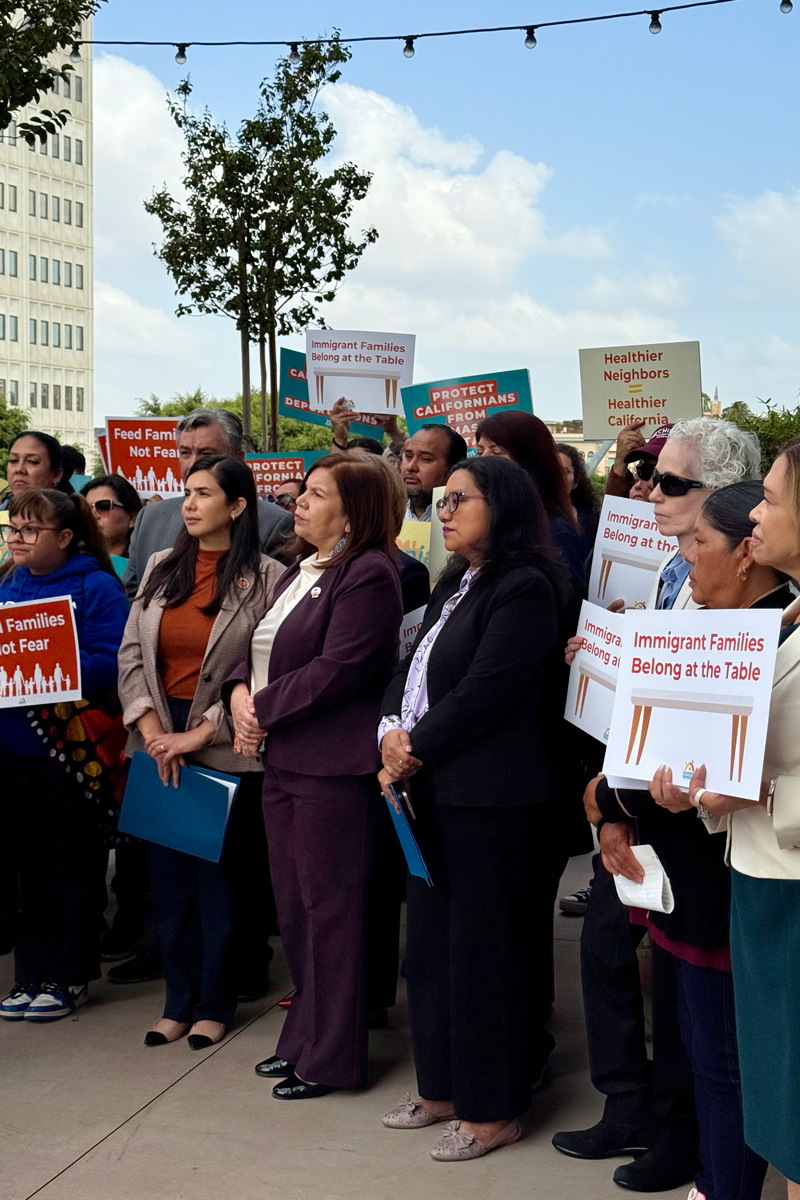
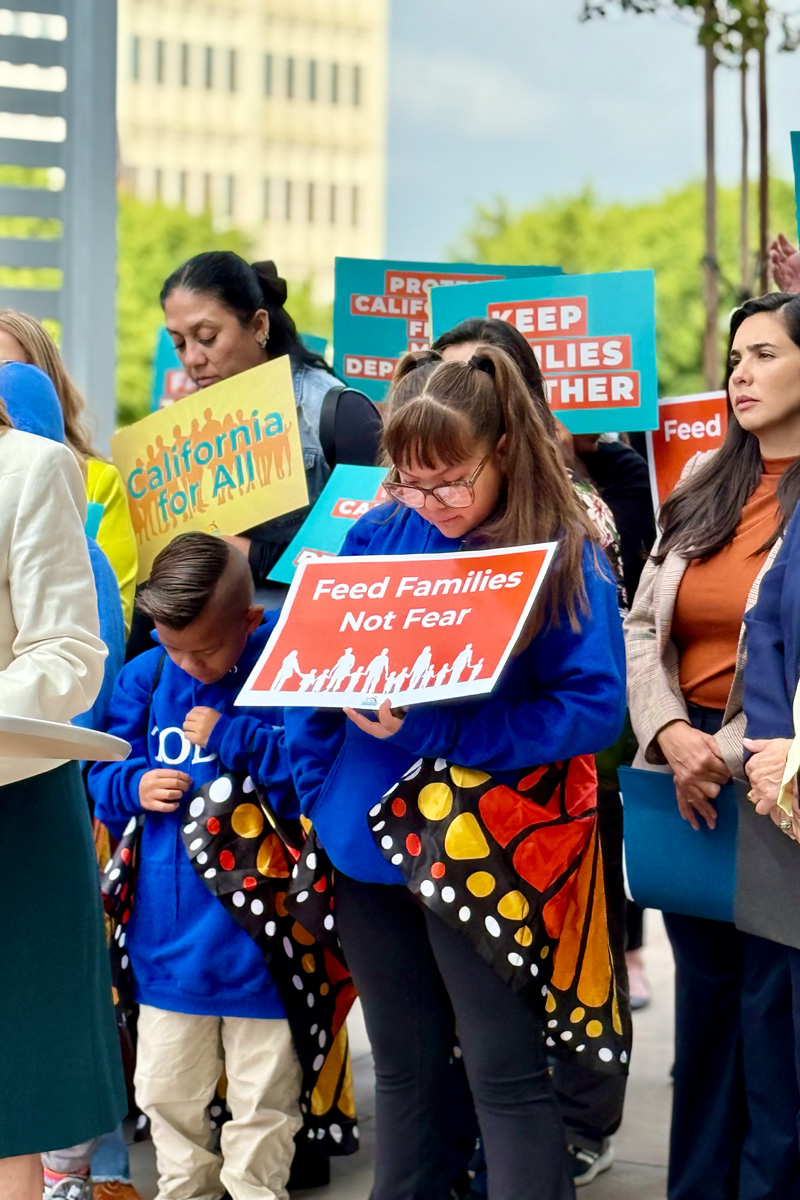
Another essential component to CCF’s work is upholding civil rights and ensuring the most vulnerable in our community have access to basic quality of life essentials. These legislative wins speak to both of those priorities.
- AB 2161 (Bonta): Federal law established working requirements for Medi-Cal recipients that will go into effect January 1, 2027. AB 2161 excludes all parents and caretakers with incomes below a certain threshold from the work reporting requirements. The bill also clarifies which income counts in determining whether a person meets work reporting requirements, expands what counts as educational and work programs, strengthens noticing requirements to Medi-Cal members and clarifies self-attestation of not receiving a timely notice constitutes good cause. Essentially, this bill safeguards people from losing coverage due to bureaucracy.
- SB 177 (Committee on Budget and Fiscal Review), the Fair Share from Big Corporations Act: requires the Department of Finance to present options to the Legislature for requiring the largest corporations in California to pay their fair share when they shift health care costs for their workers onto Medi-Cal.
- 2026-27 State Budget signed by Governor Gavin Newsom provides short-term health care relief for millions of Californians, particularly for immigrants.
- SB 937 (Gonzalez): prohibits the use of flash-bang grenades as less-lethal crowd control devices, alongside explosive breaching devices, for the purposes of immigration enforcement. The bill also requires any user of a flash-bang to receive training beforehand from the Commission on Peace Officer Standards and Training. This measure is vital to maintain both the safety of citizens exercising their right to protest and police officers in the field.
A thriving democracy is essential to strong communities. That’s why defending democracy and safeguarding elections is a major priority for CCF. This cycle, the legislature delivered on policies that help codify protections to the electoral process.
- SB 884 (Umberg): expands remote and early voting options and prevents immigration enforcement in specified areas during an election in order to protect voters at the polls.
- SB 73 (Cervantes and Umberg): strengthens California’s existing election safeguards in response to growing threats of election interference and intimidation.
- SB 1164 (Cervantes) and SB 1360 (Cervantes): updates the California Voting Rights Act to fight voter suppression and vote dilution response to the erosion of the federal Voting Rights of 1965 by the Supreme Court of the United States eroding the federal Voting Rights Act of 1965. This legislation also improves language access assistance to limited-English proficient voters in California.
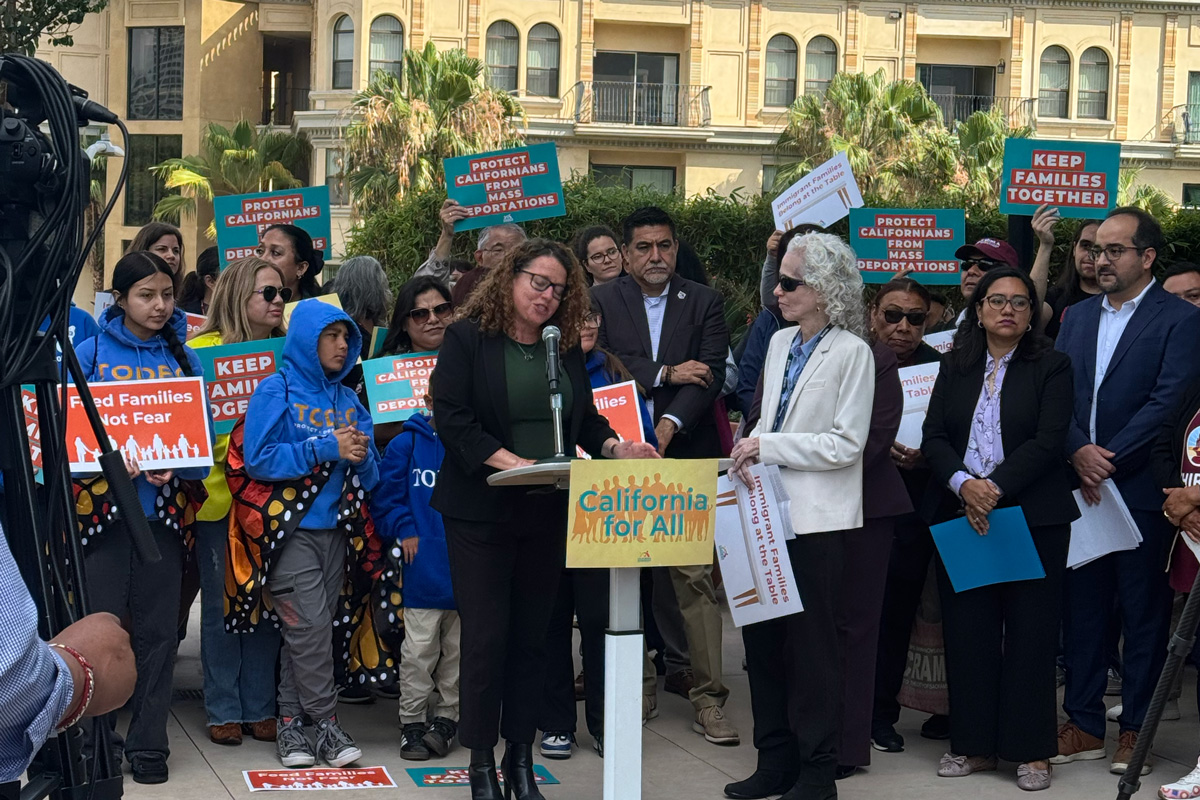
Our immigrant friends, family and neighbors are essential to our community. The surges in immigrant enforcement have been deeply disruptive to our businesses, our places of workshop, our schools and our cities. The legislature enacted policies that safeguard the rights of immigrant communities and those who come to their aid.
- AB 2624 (Bonta): expands privacy program protections to Californians who provide legal aid, counseling or other types of assistance to immigrants.
- AB 1633 (Haney): applies a 25% tax on for-profit corporations operating private detention facilities across California.
- AB 1807 (Gabriel): seeks to protect immigrant Californians and safeguard public property by prohibiting certain federal immigration enforcement activities on State-owned property including but not limited to staging operations, interviewing, or detaining individuals – unless required by a valid judicial warrant or court order.
Small businesses are essential to thriving local economies, while education and workforce pathways can open doors to greater economic opportunity. This year’s legislation includes measures designed to remove barriers for entrepreneurs and make it easier for students to gain the skills, experience and college credits that can help them succeed.
- AB 1679 (Gonzalez and Wicks): creates a statewide temporary commercial activation permit for pop-up businesses, making it easier for entrepreneurs to operate in vacant commercial spaces and giving small businesses a clearer path to get started.
- AB 2555 (Patel): establishes a more consistent process for reclassifying English learners, helping ensure students are not moved out of language-support programs before they are ready or kept in them longer than necessary.
- AB 1871 (Fong): expands equitable access to dual-enrollment programs by streamlining applications, removing a school principal approval requirement and giving high school students more flexibility to earn college credits while still in high school — helping reduce barriers to college and future tuition costs.